Plastic toy molds are an essential part of the toy manufacturing industry. These molds are used to produce plastic toys through processes such as injection molding, blow molding, or rotational molding. The popularity of plastic toy molds is tied to the versatility of plastic as a material, the efficiency of mass production, and the global demand for safe, affordable, and diverse toys.
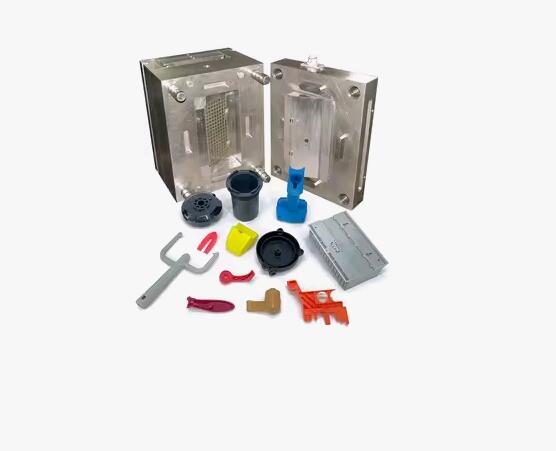
Applications of Plastic Toy Molds
Plastic toy molds are used across a wide range of toy types, catering to different age groups, interests, and markets. Some common applications include:
Action figures and dolls: Injection molding allows for precise detailing of features and clothing accessories.
Building blocks and construction sets: Molds create interlocking pieces that fit accurately together.
Educational toys: Shapes, letters, and numbers can be mass-produced for learning purposes.
Outdoor and recreational toys: Items like plastic balls, sand toys, and ride-on toys are often made using blow or rotational molds.
Electronic toy components: Housing for battery compartments or moving parts can be molded for durability and safety.
These applications demonstrate that plastic toy molds are not limited to simple toys but are essential in producing a variety of products for different purposes.
Advantages Driving Market Popularity
The widespread use of plastic toy molds is supported by several practical advantages:
Mass production capability: A single mold can produce thousands of identical pieces efficiently, reducing production time.
Cost efficiency: Plastic is generally less expensive than alternative materials such as metal or wood, allowing manufacturers to produce toys at affordable prices.
Design flexibility: Molds can be customized to create detailed shapes, textures, and colors.
Durability and safety: Plastics used in toys can be engineered to resist impact and meet safety standards for children.
Recyclability: Certain plastics can be recycled during the manufacturing process, supporting cost-effective and environmentally conscious production.
These advantages make plastic toy molds a practical choice for both large-scale manufacturers and smaller businesses looking to create consistent, high-quality toys.
Types of Plastic Toy Molds
Plastic toy molds are available in various forms depending on the manufacturing method and desired product characteristics. Common types include:
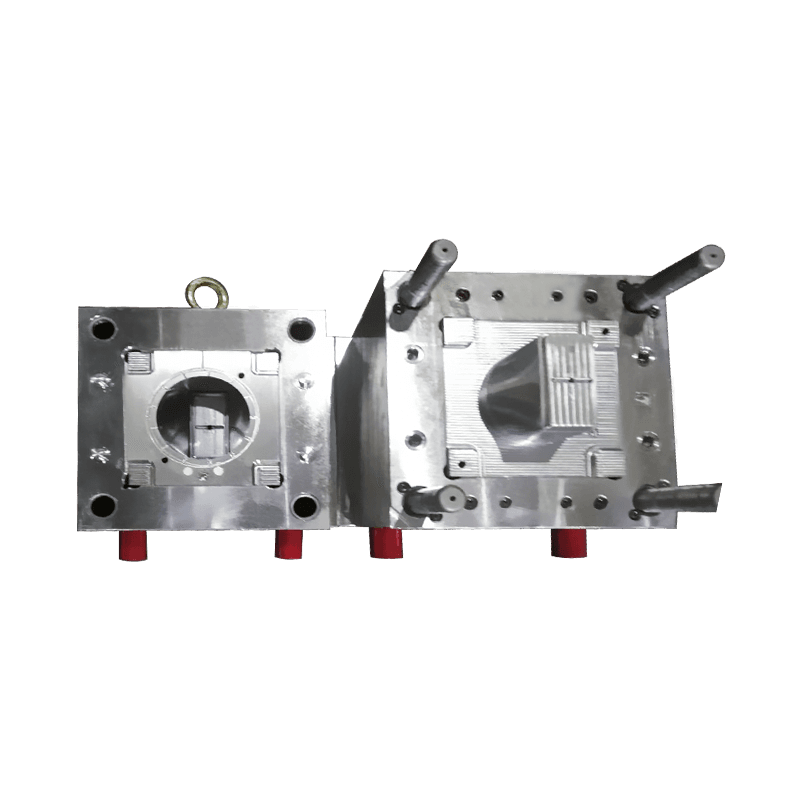
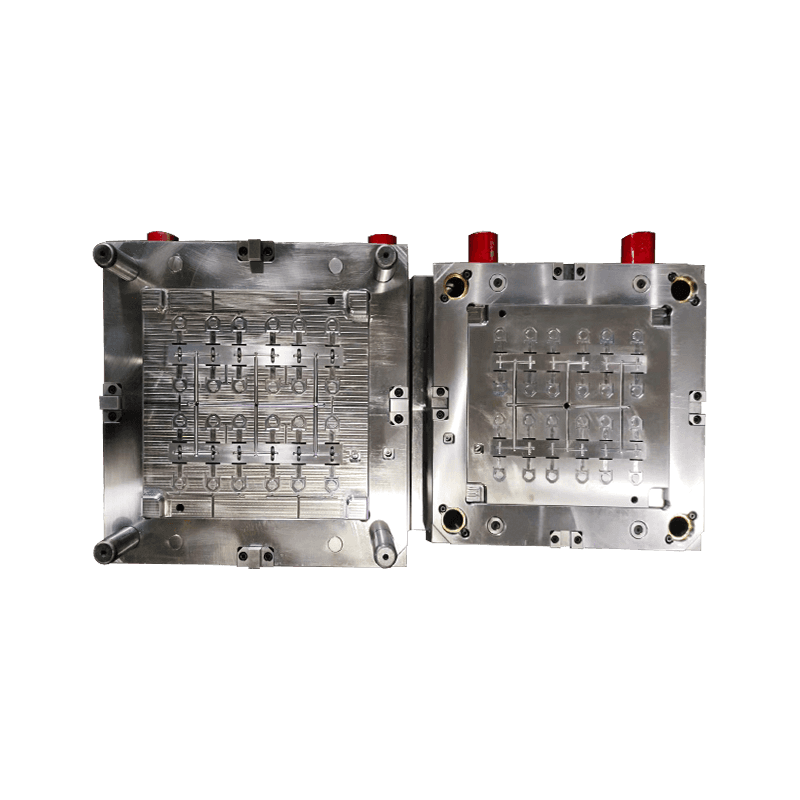
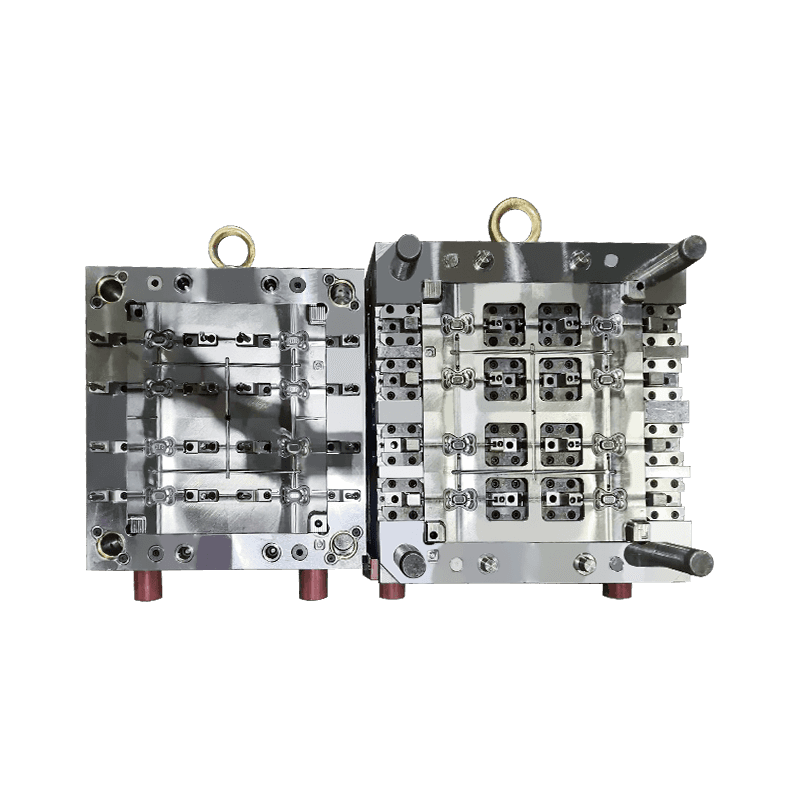
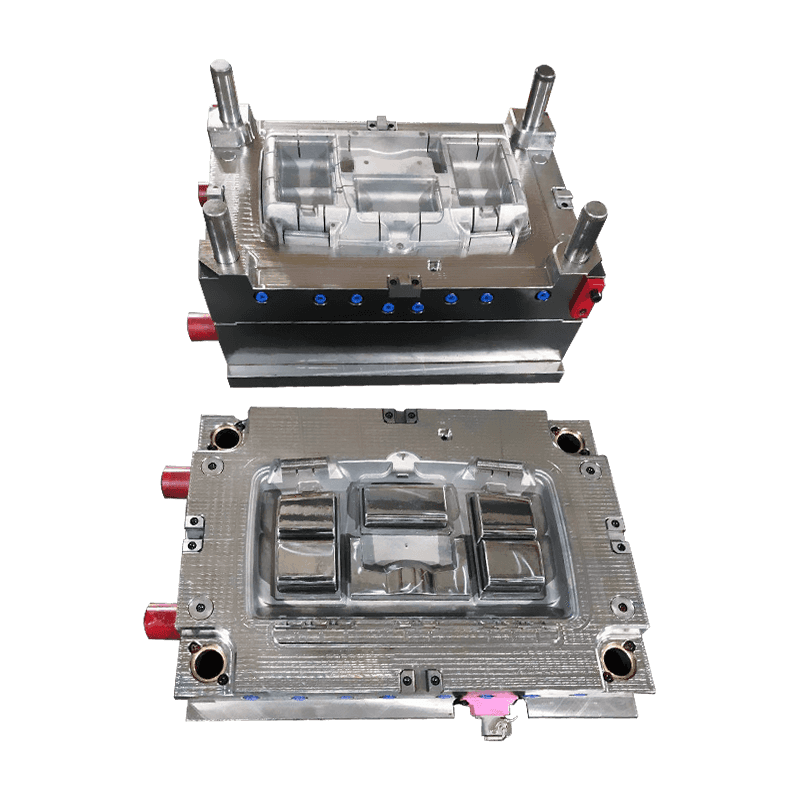
Injection molds:
Used to produce detailed toys and components
Suitable for high-volume production
Can include multiple cavities for efficiency
Blow molds:
Ideal for hollow toys like balls or bottles
Provide uniform wall thickness for durability
Rotational molds:
Used for larger, hollow toys such as ride-on cars
Allow for seamless designs without joints
Compression molds:
Applied to certain flexible plastic materials
Useful for toys that require soft, durable textures
These mold types cater to different product designs, size requirements, and production scales, making the technology versatile and widely applicable.
Market Factors Supporting Popularity
Several market factors contribute to the ongoing demand for plastic toy molds:
Global toy demand: The toy industry continues to grow worldwide, with consistent demand for affordable, safe, and innovative products.
Customization trends: Consumers increasingly seek toys with unique designs, which requires adaptable molds that can produce new shapes or limited edition items.
Supply chain efficiency: Standardized molds allow manufacturers to produce toys quickly and ship them to retail markets without significant delays.
Safety and compliance standards: Molds are designed to meet international toy safety standards, ensuring the end products are safe for children.
Technological integration: Modern mold production incorporates CNC machining, 3D printing, and computer-aided design (CAD), which improve precision and reduce production time.
Together, these factors create a stable environment for the continued use of plastic toy molds in the industry.
Maintenance and Longevity of Plastic Toy Molds
Proper maintenance is essential for maximizing the lifespan and efficiency of plastic toy molds. Key practices include:
Regular cleaning: Removing residual plastic or debris from mold cavities prevents defects in toys.
Lubrication: Moving parts of the mold must be maintained to ensure smooth operation.
Temperature control: Maintaining consistent heating and cooling cycles prevents material stress and warping.
Inspection for wear and tear: Monitoring molds for cracks or worn edges reduces product defects.
By investing in maintenance, manufacturers can achieve long-term production efficiency and minimize downtime.



 English
 中文简体
中文简体 русский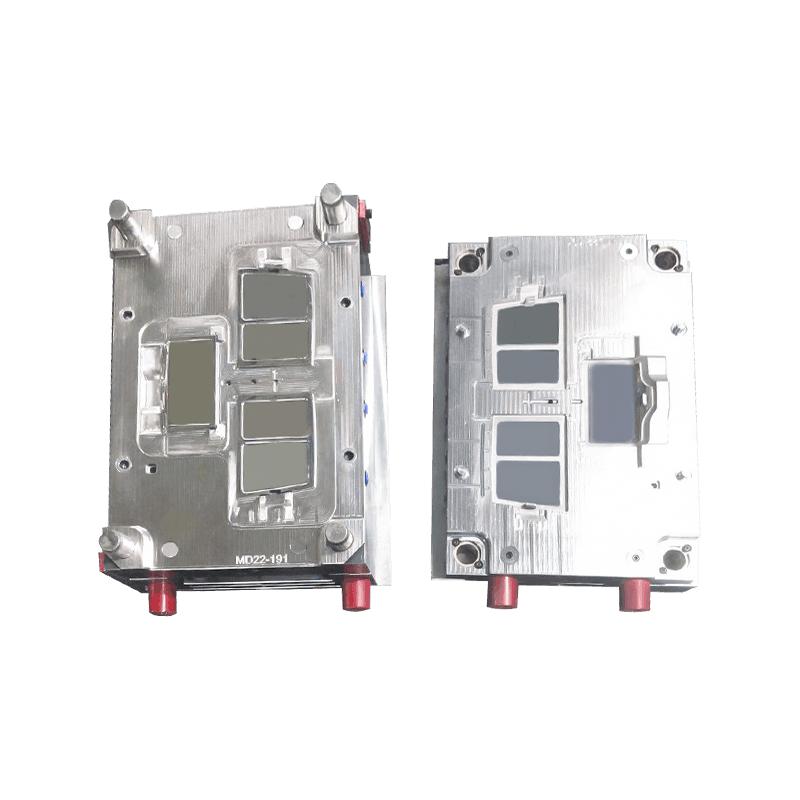


Contact Us