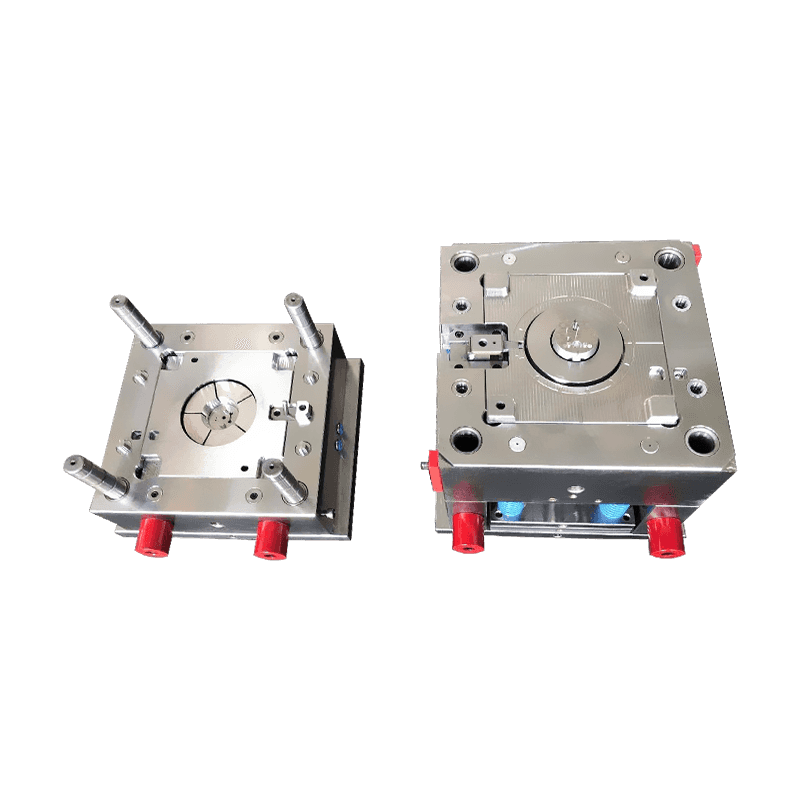
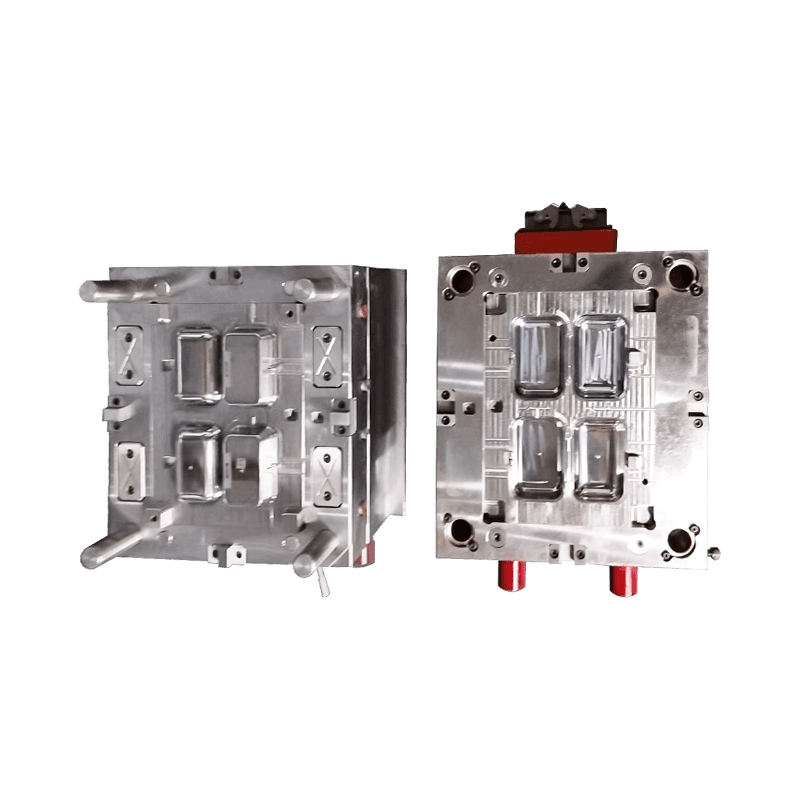
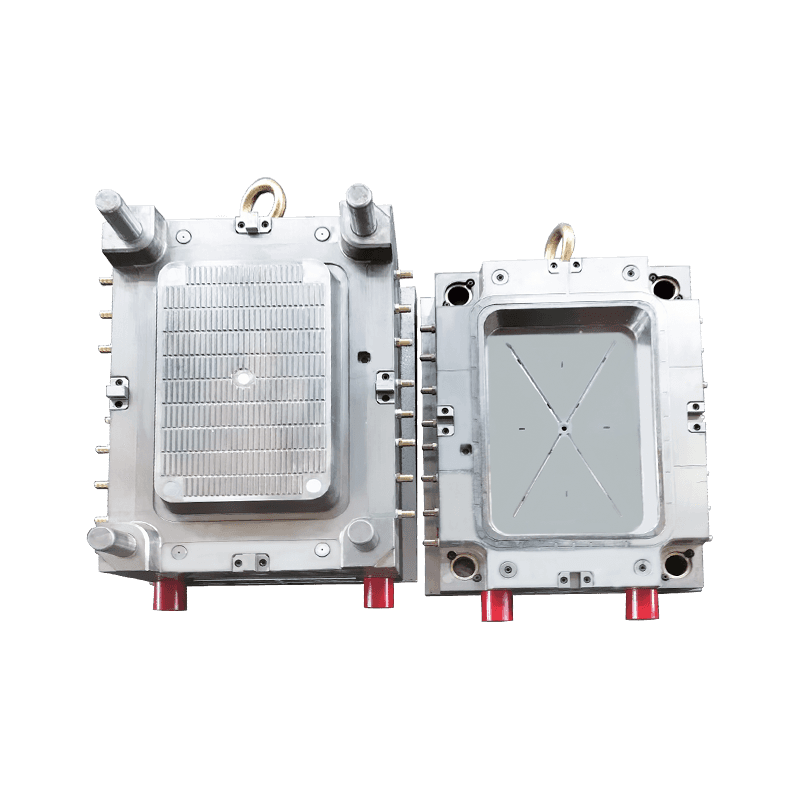
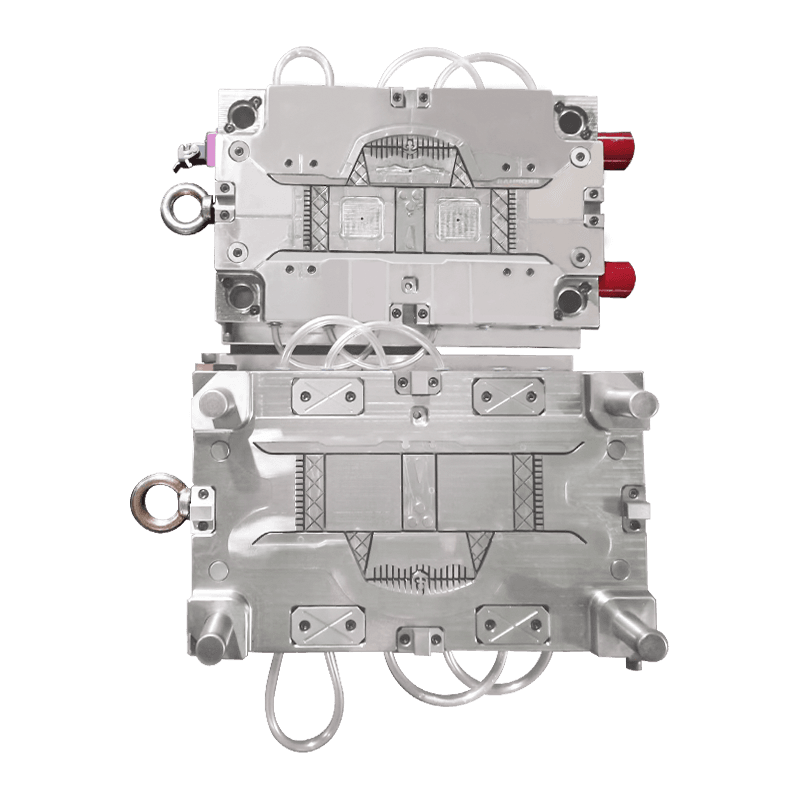
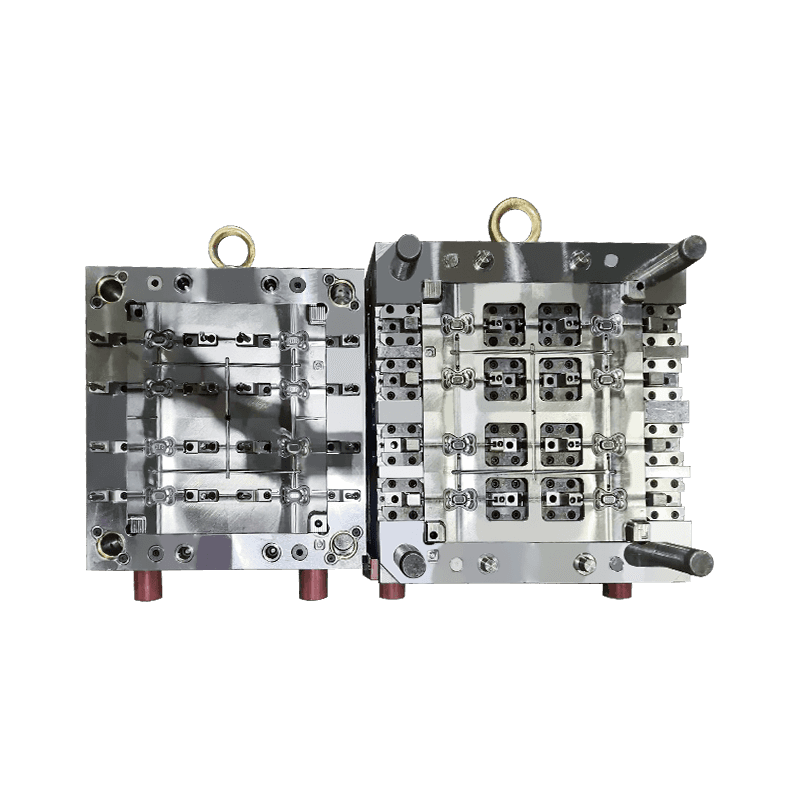
Rising demand for plumbing systems, irrigation networks, and industrial fluid transport has pushed Pipe Fittings Mould engineering into a more efficiency-driven direction. Production expectations are no longer limited to part accuracy alone—output speed, cost per piece, and dimensional repeatability now play a central role in mold architecture decisions. Among these changes, multi-cavity layouts are increasingly becoming a standard approach rather than an optional upgrade.
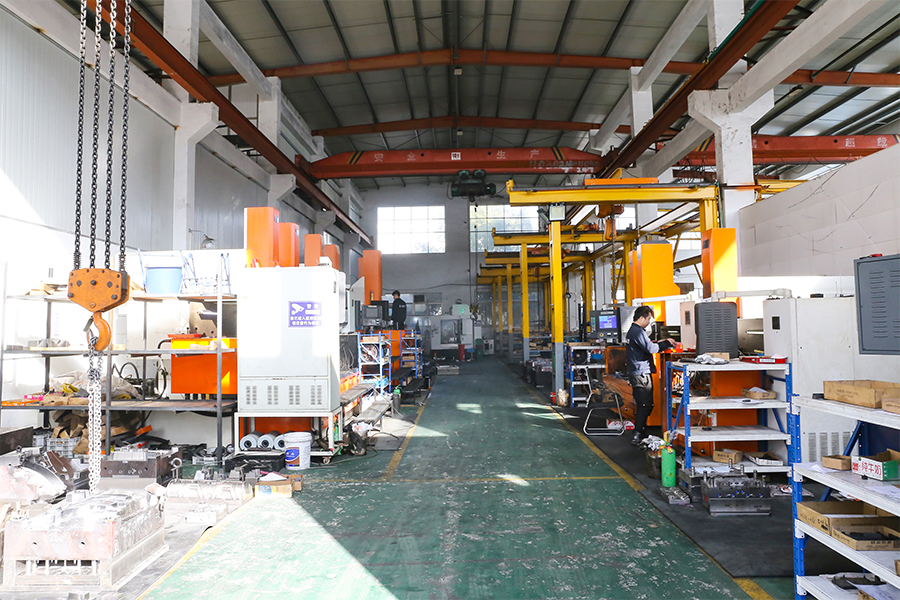
Production pressure driving cavity multiplication strategy
Pipe fittings such as elbows, tees, and couplings are high-volume components used across infrastructure projects. Market analysis shows elbow fittings alone account for nearly 30% of global demand due to their essential role in directional pipeline systems.
To meet this scale, manufacturers are moving away from single-output tooling toward multi-output designs that can produce several identical parts per injection cycle. This shift is not only about speed but also about stabilizing long-term production cost under continuous mass manufacturing conditions.
Key production motivations include:
- Higher daily output per molding machine
- Reduced per-part labor involvement
- Lower energy consumption per unit
- More stable production scheduling under large orders
Flow balance becomes a core engineering challenge
Adding cavities does not automatically improve productivity unless melt distribution is controlled precisely. Molten PVC or PP must travel through runners and gates evenly to ensure identical filling conditions across all cavities.
Engineering concerns in multi-cavity pipe fitting molds include:
- Unequal filling time across cavities
- Pressure imbalance causing dimensional deviation
- Risk of short shots in far-end cavities
- Overpacking in near-gate cavities
Recent injection molding studies highlight that imbalance in multi-cavity systems often requires runner redesign or process optimization rather than simple parameter adjustment.
To manage this, engineers frequently apply symmetrical runner layouts and balanced gate positioning to stabilize melt flow across all cavities.
Cooling system design affecting dimensional stability
Cooling performance becomes significantly more sensitive as cavity numbers increase. Pipe fittings usually contain thick-wall sections and curved geometries, which naturally cool at different rates.
Common multi-cavity cooling strategies include:
- Independent cooling loops per cavity zone
- Optimized channel spacing around 8–15 mm from cavity surface
- Flow-divided cooling circuits to reduce thermal gradient
- Local reinforcement cooling near junction ribs
Uneven cooling can result in warpage, ovality deviation, or internal stress accumulation. These defects are especially critical in fittings that must maintain sealing performance under pressure.
Runner system evolution supporting higher cavity counts
Traditional cold runner systems are still widely used, but multi-cavity pipe fitting molds are increasingly integrating hot runner technology to improve material efficiency and cycle consistency.
Typical differences in application:
- Cold runner systems: simpler structure but generate solidified waste material
- Hot runner systems: reduced scrap and improved cycle consistency, but higher design complexity
In high-volume production, hot runner systems help maintain consistent melt temperature across multiple cavities, reducing viscosity variation and improving dimensional uniformity.
Structural reinforcement required for multi-cavity tooling
Increasing cavity count significantly raises mechanical load on the mold base. During injection, pressure is distributed across a larger surface area, requiring stronger steel selection and reinforcement design.
Common engineering practices include:
- High-strength steel such as H13 or pre-hardened P20 for cavity blocks
- Reinforced platen support to prevent deflection under injection pressure
- Modular insert design for easier maintenance and cavity replacement
- Hardened surface treatment to extend wear resistance in high-cycle production
Without structural reinforcement, cavity misalignment or flash defects may occur after long-term operation.
Precision machining demands across multiple cavities
Multi-cavity Pipe Fittings Mould production requires extremely tight dimensional control to ensure all cavities behave identically under pressure and temperature.
Typical machining requirements include:
- Cavity dimensional tolerance often controlled within ±0.02–0.03 mm
- Mirror symmetry alignment between cavity pairs
- EDM finishing for complex curved internal surfaces
- CNC machining consistency across repeated cavity geometries
Even small deviations between cavities can cause inconsistent shrinkage rates, affecting final assembly compatibility in pipeline systems.
Quality control becoming more simulation-driven
Modern mold development is increasingly supported by simulation tools that predict filling behavior before physical manufacturing begins. This helps identify imbalance zones and optimize runner design early in development.
Common validation methods include:
- Short-shot testing to observe flow progression
- Mold flow simulation for cavity filling prediction
- Pressure mapping across runner networks
- Thermal distribution analysis during cycle simulation
These tools reduce the need for repeated physical modifications, shortening development cycles and improving first-trial success rates.
Final perspective on industry direction
The transition toward multi-cavity Pipe Fittings Mould systems reflects a broader shift in manufacturing philosophy—output efficiency and consistency now define competitiveness as much as geometric accuracy. As infrastructure demand continues to expand globally, tooling systems must support higher throughput without sacrificing dimensional stability.
Instead of treating cavity multiplication as a simple capacity increase, modern mold engineering approaches it as a full-system redesign involving flow control, thermal balance, and structural reinforcement working together as a unified production mechanism.



 English
 中文简体
中文简体 русский


Contact Us