

 English
 中文简体
中文简体 русский
We are committed to providing customers with high-quality, precision mold solutions.
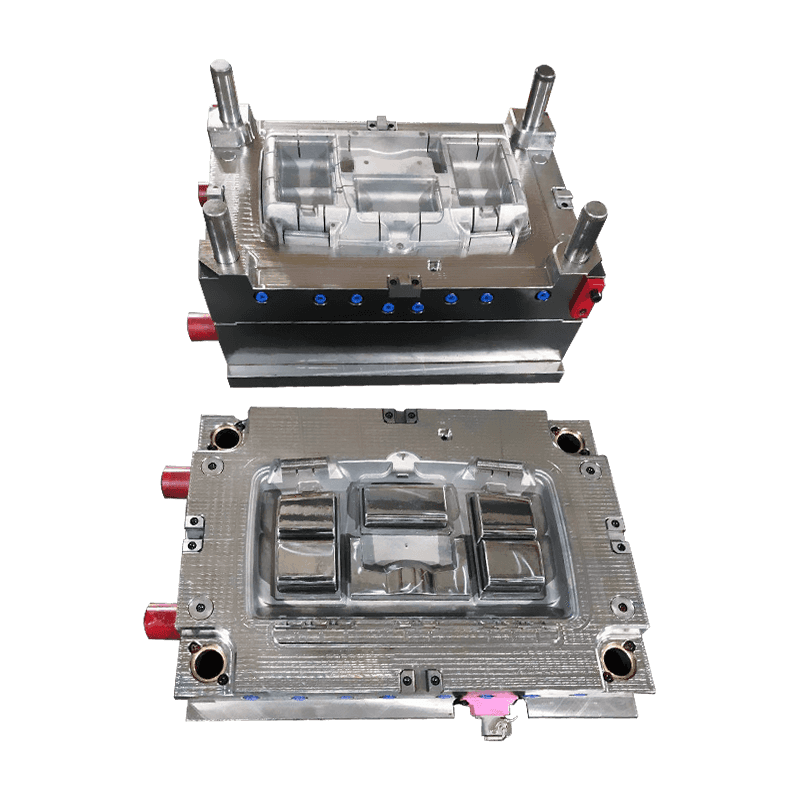
Toolbox Molds
Cat:Toolbox And Accessories Mold
Toolbox molds encompass a variety of types designed to produce different styles and sizes of toolbox...
See Details
Surface deformation appearing in stacked storage conditions often traces back to uneven stress distribution across injection molded structures. A water bucket mold product is especially sensitive because its geometry relies on uniform wall balance and continuous ring support. Once multiple finished buckets are stacked, vertical force concentrates on the upper rim and transfers inward through thin wall sections, gradually distorting roundness.
Research on injection molded deformation shows that uneven stress and shrinkage during cooling and post-ejection stages are major contributors to shape instability, especially under external loading conditions that amplify internal stress imbalance.
Stacking pressure does not act evenly. Contact zones create localized stress peaks that exceed design assumptions used during molding.
These stress paths are directly influenced by mold design factors such as wall thickness distribution and cooling balance, which are widely recognized as key elements affecting dimensional stability in molded plastics.
Even after demolding, polymer chains inside molded parts continue stress relaxation. Under stacked load, this relaxation accelerates deformation because residual internal stress interacts with external compression.
Such deformation behavior is commonly linked with warpage mechanisms caused by uneven shrinkage and stress imbalance across molded geometry.
Round containers depend on symmetry to maintain load resistance. Once geometry deviates slightly, stacking forces amplify distortion instead of resisting it.
Injection molded parts commonly experience shape deviation due to cooling inconsistency and geometric imbalance, especially in large thin-walled structures.
Stacking does not simply compress; it amplifies small imperfections created during molding and cooling stages. Even slight ovality becomes more visible after repeated stacking cycles.
These mechanisms align with findings that uneven external pressure interacts with internal molded stress, increasing overall deformation risk in plastic components.
Storage environment contributes additional factors beyond mechanical stacking. Temperature variation and humidity exposure alter polymer stiffness, reducing resistance to compressive load over time.
Load transfer inside stacked containers follows a nonlinear path rather than a uniform vertical channel. This explains why circular loss appears uneven instead of symmetrical.
This uneven stress transmission is consistent with general warpage behavior in molded plastics where structural geometry strongly influences deformation direction under load.
Stacking pressure does not directly “break” shape instantly. Instead, it interacts with residual molding stress, cooling imbalance, and geometric sensitivity. Over time, these combined factors reshape cylindrical stability into subtle oval distortion. A water bucket mold design that lacks uniform thickness control or reinforcement will show deformation much earlier under repeated stacking conditions.
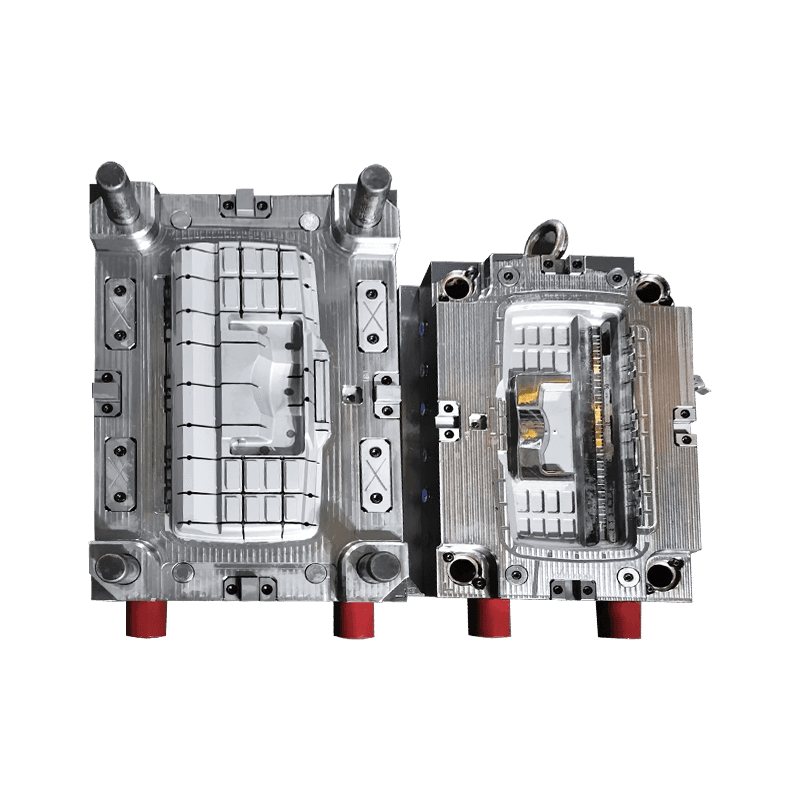
Toolbox molds encompass a variety of types designed to produce different styles and sizes of toolbox...
See Details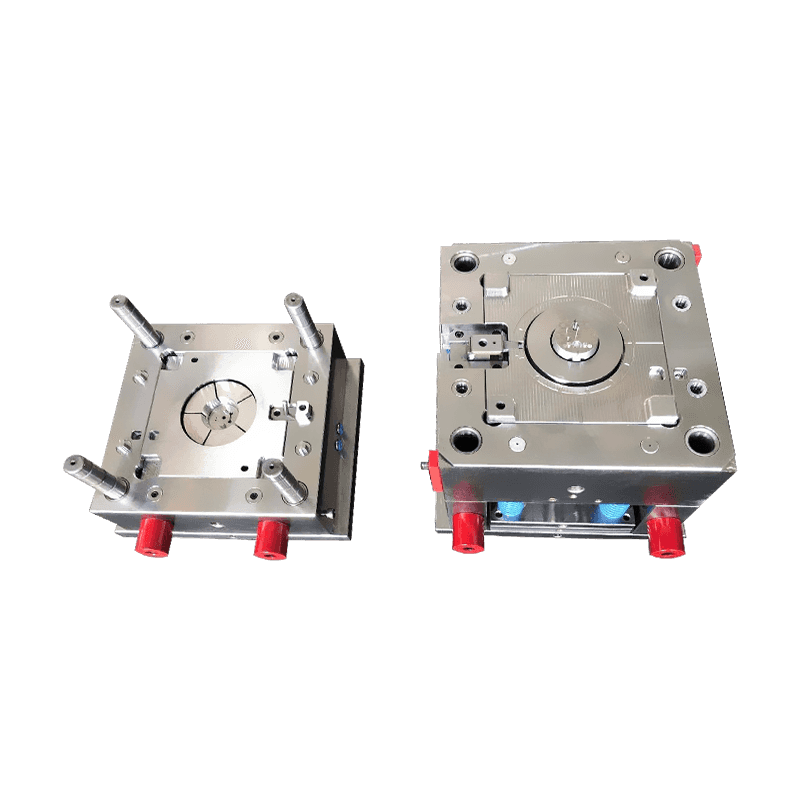
The duct exhaust fan shell mold is a special mold used to produce the duct exhaust fan shell. It use...
See Details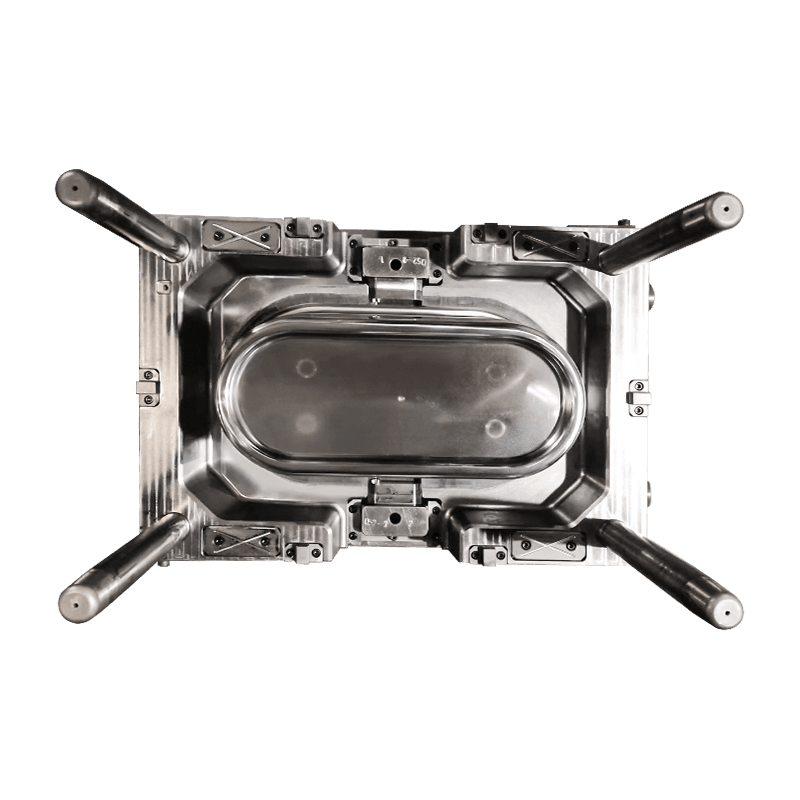
Basin molds are key tools used to produce basins or sinks, which can be of various types and sizes f...
See Details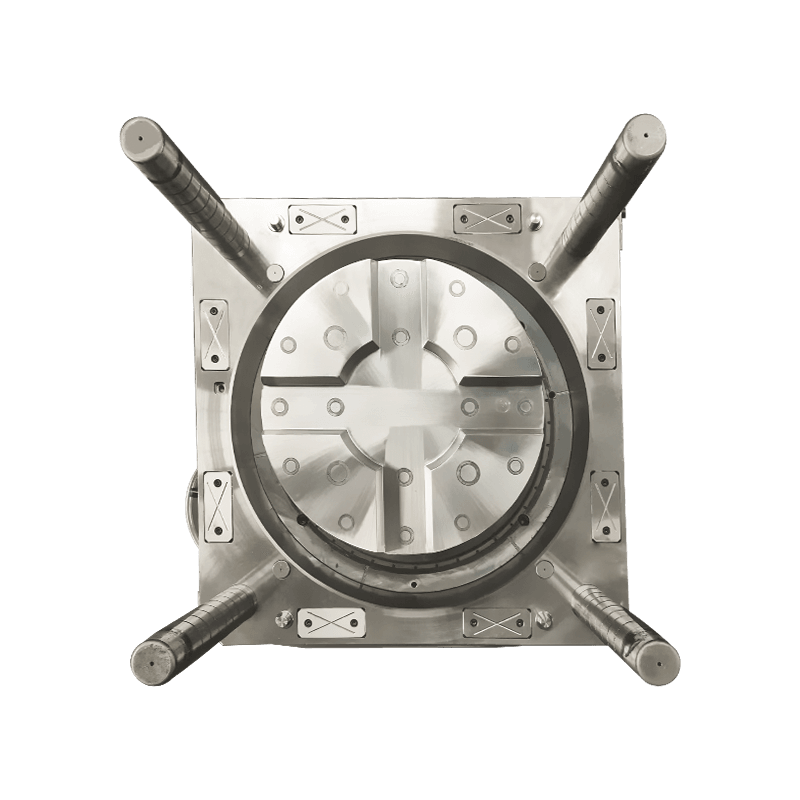
Flower pot molds are special molds used to manufacture flower pots of various shapes and styles. The...
See Details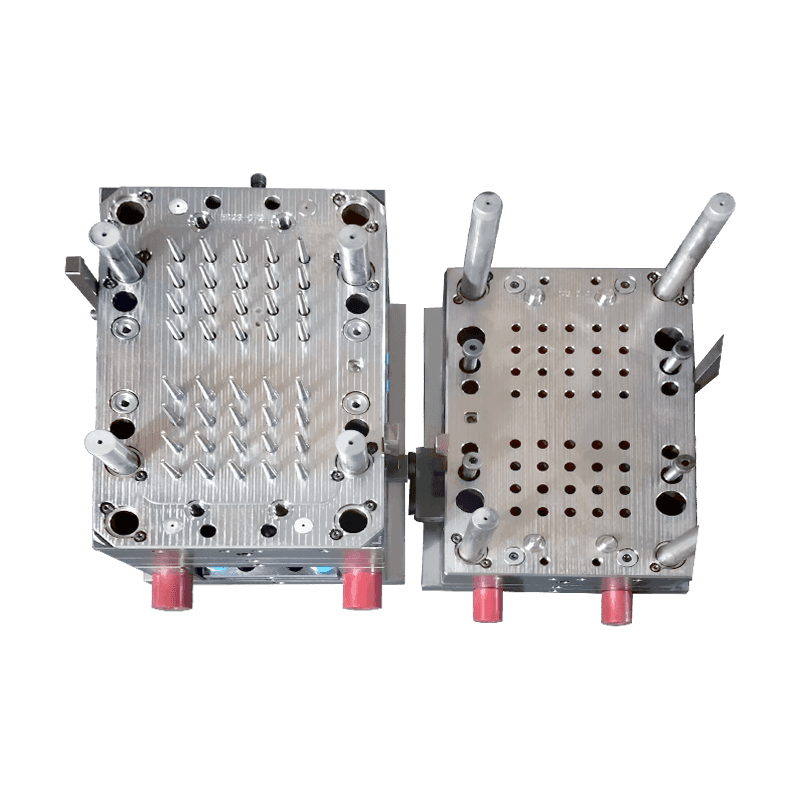
Production Capabilities and Quality Testing Standards for Medical Test Tube Mold Factories:A medical...
See Details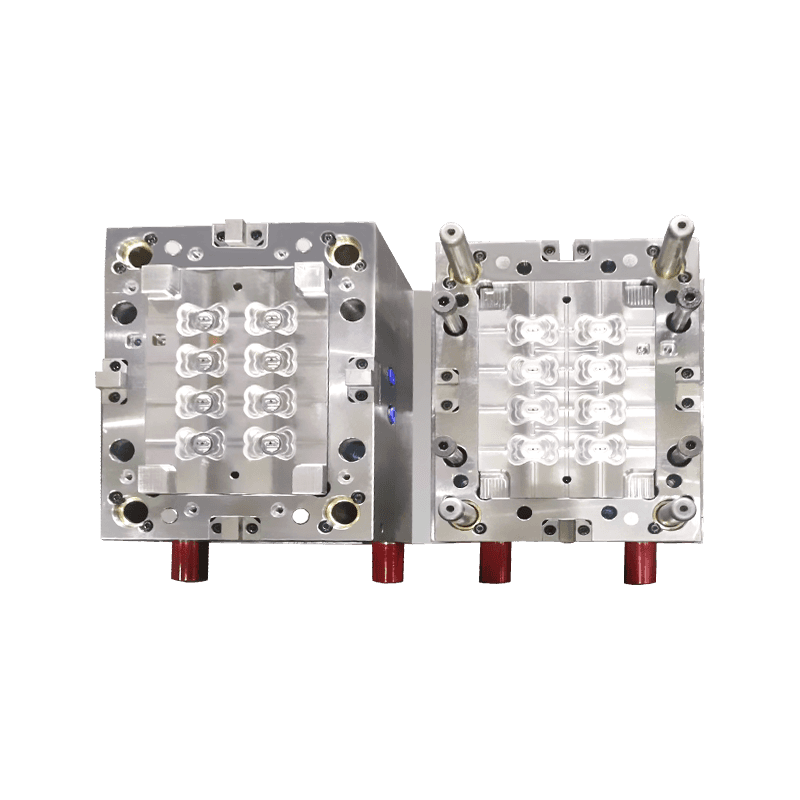
Pacifier molds are essential tools used in the manufacturing of pacifiers, also known as soothers or...
See Details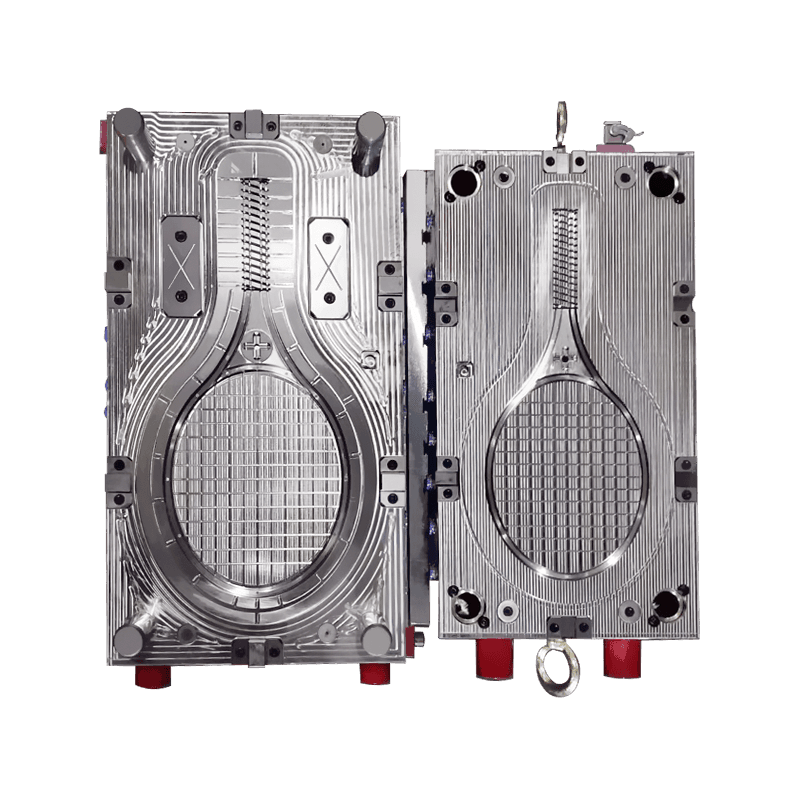
Toy racket mold is a key tool specially used to manufacture toy rackets. These molds precisely shape...
See Details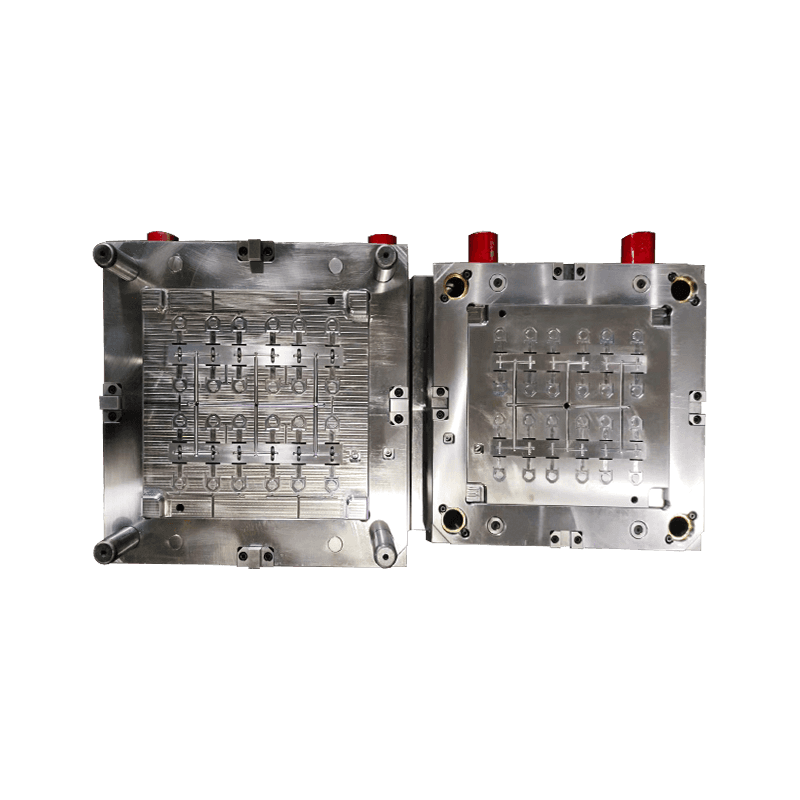
Tile spacer molds are essential tools used in the manufacturing of tile spacers, which are small, pl...
See Details+86-13616882963

We are committed to providing customers with high-quality, precision mold solutions.
Copyright © Taizhou Yiwei Mold Co., Ltd. All Rights Reserved.

Contact Us