Material Requirements: Practical vs. Specialized
Plastic molds for daily necessities, such as containers, household goods, and packaging, often utilize standard thermoplastic materials like polyethylene, polypropylene, and polystyrene. These materials are cost-effective, durable, and easy to process, making them ideal for high-volume production of consumer goods. They offer a balance of strength and flexibility, making them suitable for products that are used frequently and handled by the average consumer.

In contrast, molds used for specialized applications, such as medical devices, automotive parts, or electrical components, often require advanced, high-performance materials. These include engineering plastics like polycarbonate, PEEK (polyether ether ketone), or thermosets, which offer strength, heat resistance, and electrical insulating properties. As a result, the material selection for daily necessities molds tends to be more straightforward and cost-effective, while specialized molds require more precise material engineering.
Design Complexity: Simplicity vs. Customization
Daily necessities molds tend to feature simpler designs because the products being produced—such as bottles, trays, and basic household items—do not require the intricate features often seen in specialized parts. These molds are often designed for fast, high-volume production and do not need to accommodate detailed internal structures, fine tolerances, or specialized surface finishes.
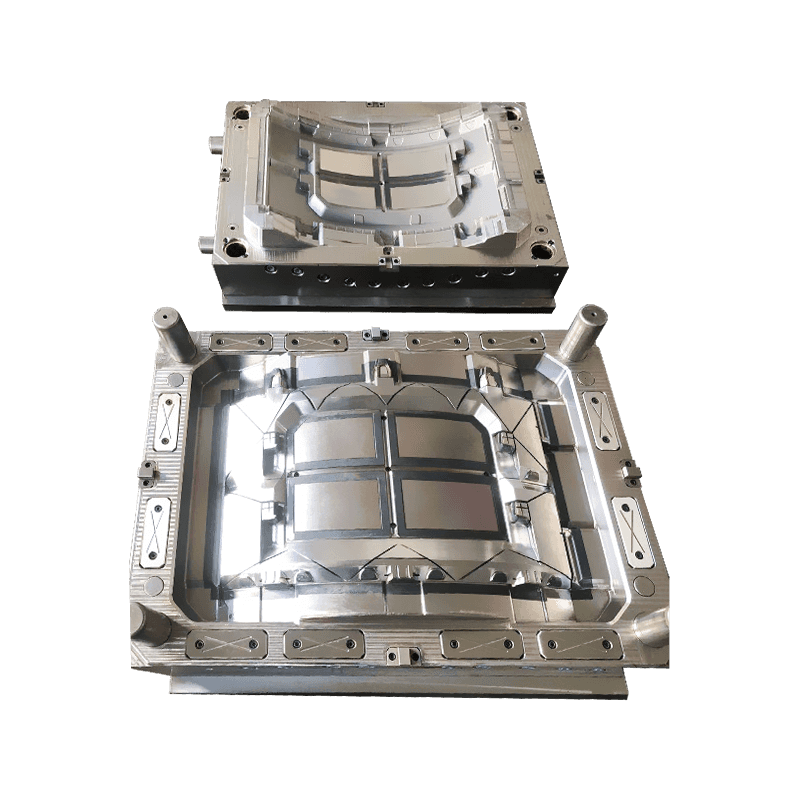
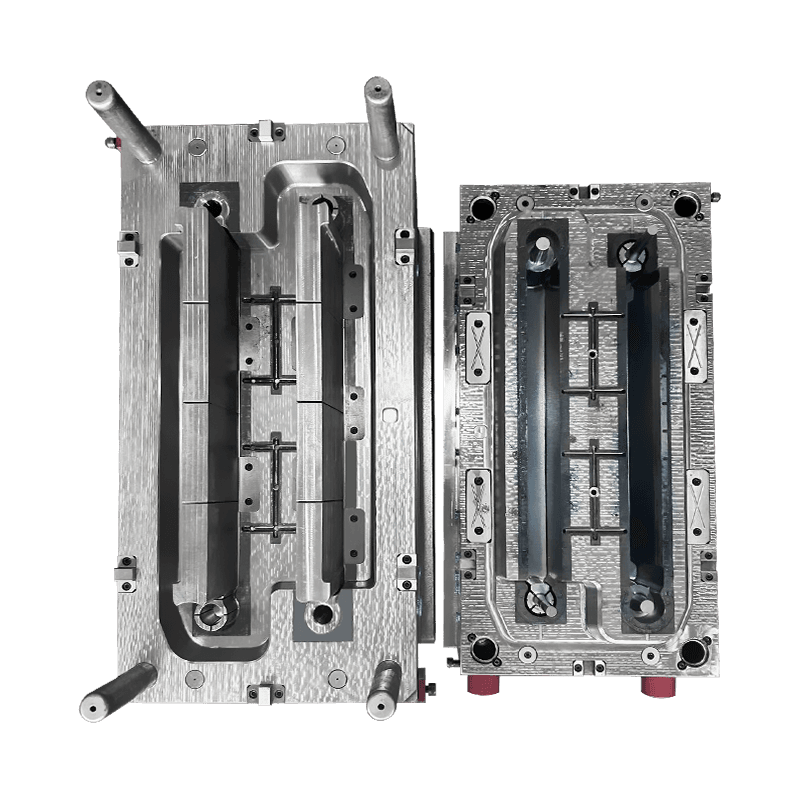
On the other hand, molds for more complex items, like automotive parts or medical devices, often involve more intricate designs that need advanced features, such as complex internal channels for cooling, specialized textures, or unique geometries. For example, an automotive part mold might need to account for specific structural integrity requirements or require tight tolerances for fitment, whereas a daily necessities mold is more focused on functionality and simplicity.
Production Volume: High-Volume vs. Low-Volume Flexibility
One of the key differences between plastic daily necessities molds and other molds is the production volume they are designed to accommodate. Molds for everyday consumer products are often designed to handle large quantities due to the mass market demand. This requires robust, durable molds capable of withstanding millions of cycles without significant wear and tear.
In contrast, molds used in industries like medical or automotive manufacturing may be built for lower-volume, more customized production. These molds often prioritize flexibility and precision over sheer volume, as the parts they produce are usually specialized and not intended for high-output production. This difference affects both the design of the molds and the manufacturing processes used to produce the parts.
Plastic Daily Necessities Molds: Characteristics and Uses
Cost-Effectiveness and Efficiency
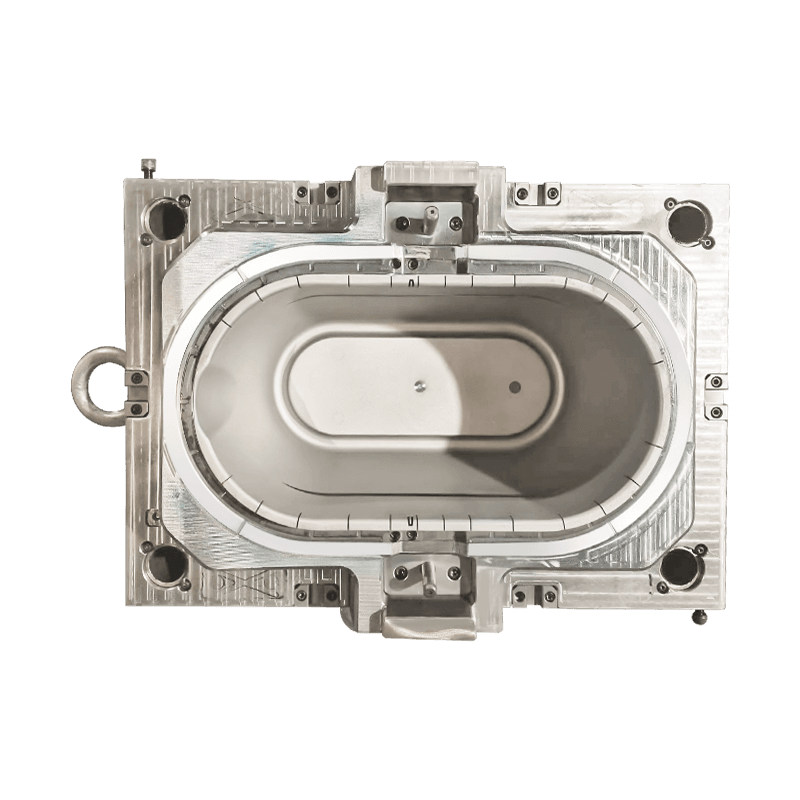
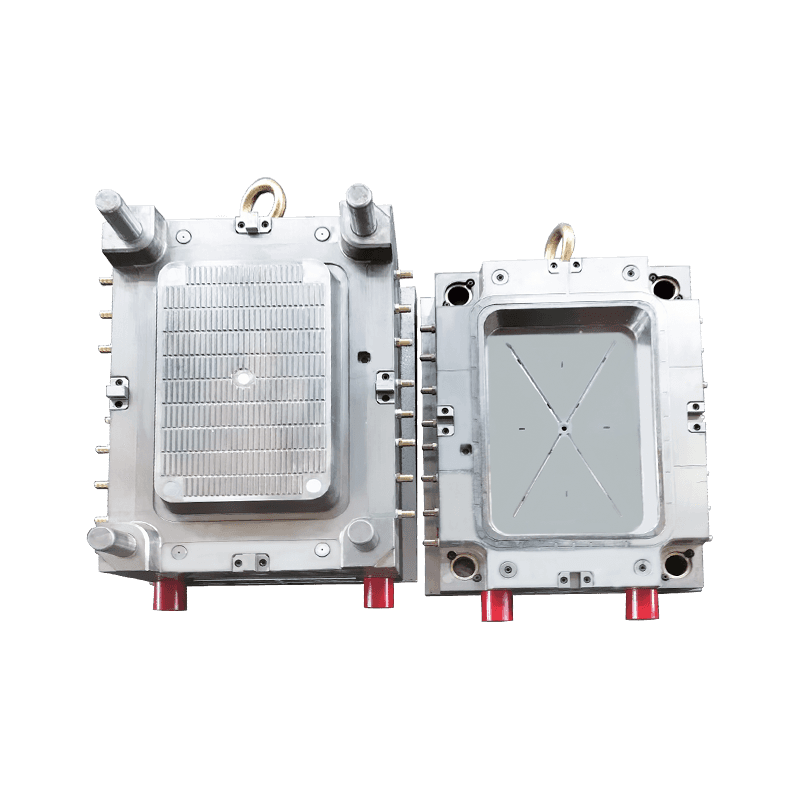
Plastic daily necessities molds are designed with cost-efficiency in mind. Products such as containers, bottles, household utensils, and packaging materials are typically mass-produced, which makes injection molding an ideal manufacturing method. The process can produce a large number of identical parts at a relatively low cost per unit. As a result, manufacturers often prefer using molds made from durable materials like steel or aluminum, which can withstand high-cycle production runs.
In daily necessities, time is of the essence, and production speed is critical. Injection molding for such products is highly automated, and cycle times are relatively short, allowing for high-volume output. These molds are optimized to minimize downtime and ensure that each production cycle produces a high-quality product with minimal imperfections. The focus on efficiency and cost reduction makes these molds an ideal choice for everyday consumer goods.
Versatility and Material Options
Plastic daily necessities molds also offer great versatility in terms of the types of materials that can be used. Unlike specialized molds, which are often restricted to specific high-performance materials, daily necessities molds can accommodate a wide range of plastic types based on the requirements of the product being produced. For instance, materials such as polypropylene (PP), polyethylene (PE), and high-density polyethylene (HDPE) are commonly used in daily necessities due to their affordability, availability, and ease of processing.
These materials can be easily molded into the desired shapes and sizes, and can also be modified for specific product requirements, such as achieving greater strength, flexibility, or resistance to wear and tear. The versatility in material selection makes plastic daily necessities molds adaptable to a wide range of products. Manufacturers can also experiment with blends and additives to improve properties like color, durability, and recyclability, making these molds ideal for the diverse world of consumer goods.
Simplified Design and Maintenance
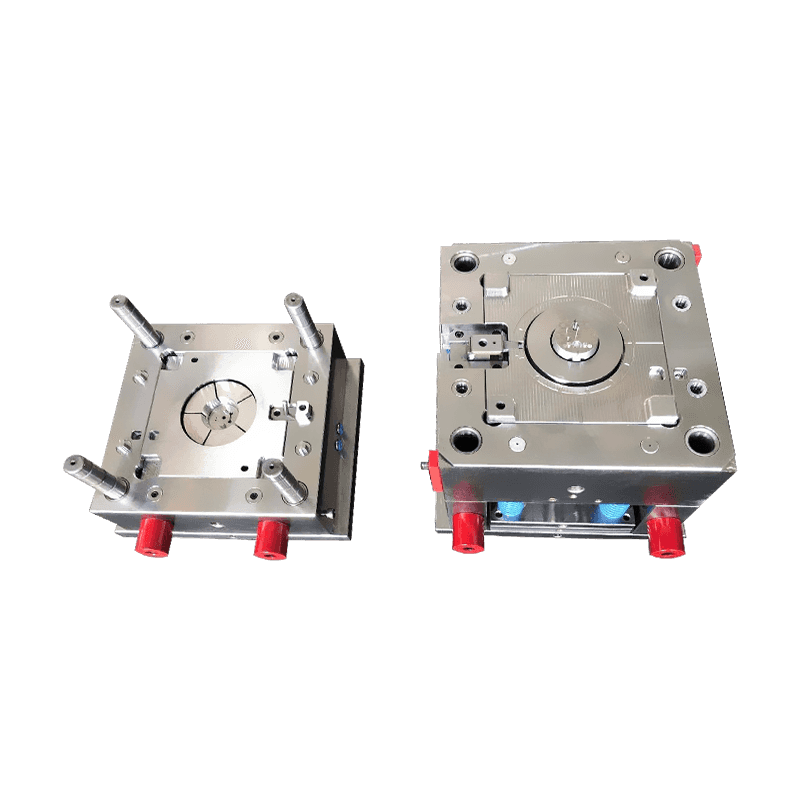
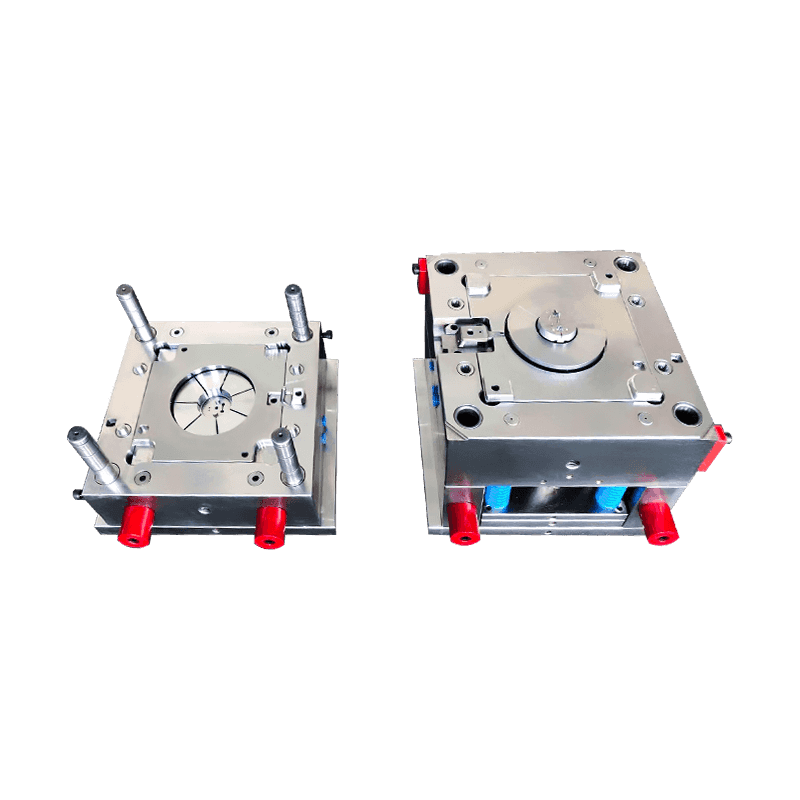
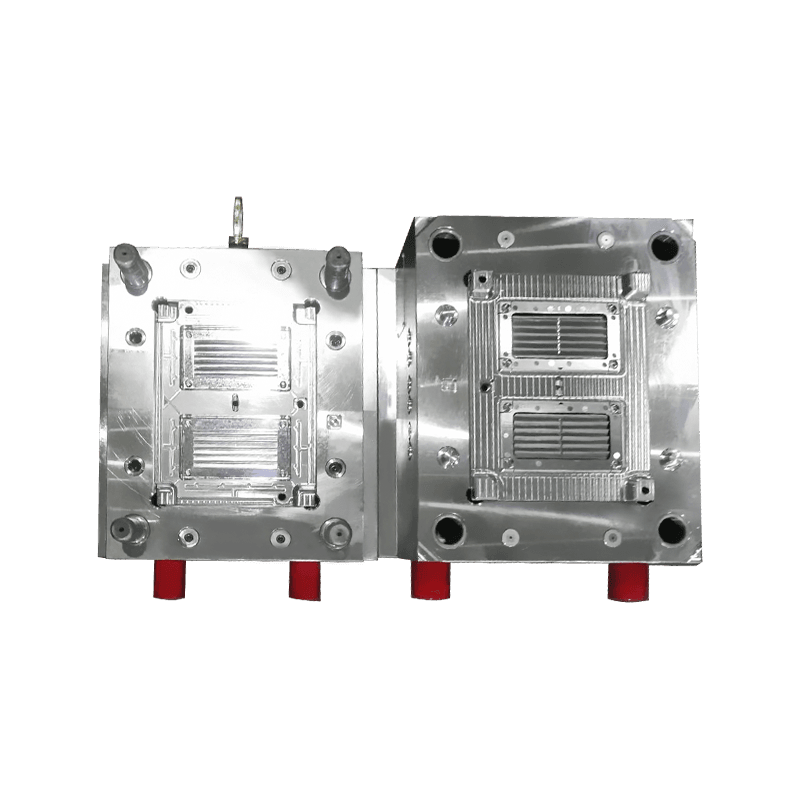
One of the primary advantages of plastic daily necessities molds is their relatively simple design and ease of maintenance. These molds are typically designed for straightforward products that do not require intricate internal features or detailed surface finishes. As a result, the molding process is less complex compared to molds used for specialized applications, which often require custom features like inserts, multiple cavities, or highly specific cooling channels.
Due to their simple designs, daily necessities molds are easier and less expensive to maintain. The wear and tear associated with frequent production runs can be managed with routine cleaning, lubrication, and mold repair, ensuring that the molds remain effective for long periods. This ease of maintenance further reduces production costs and helps companies avoid long downtimes, making the molds ideal for industries that rely on high-output production.



 English
 中文简体
中文简体 русский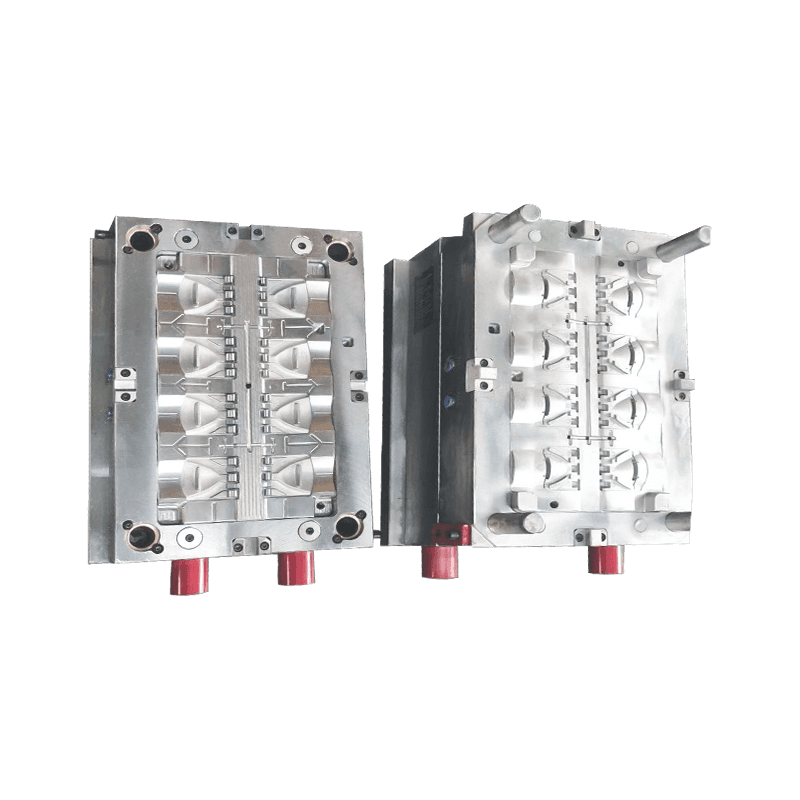


Contact Us