

 English
 中文简体
中文简体 русский
We are committed to providing customers with high-quality, precision mold solutions.
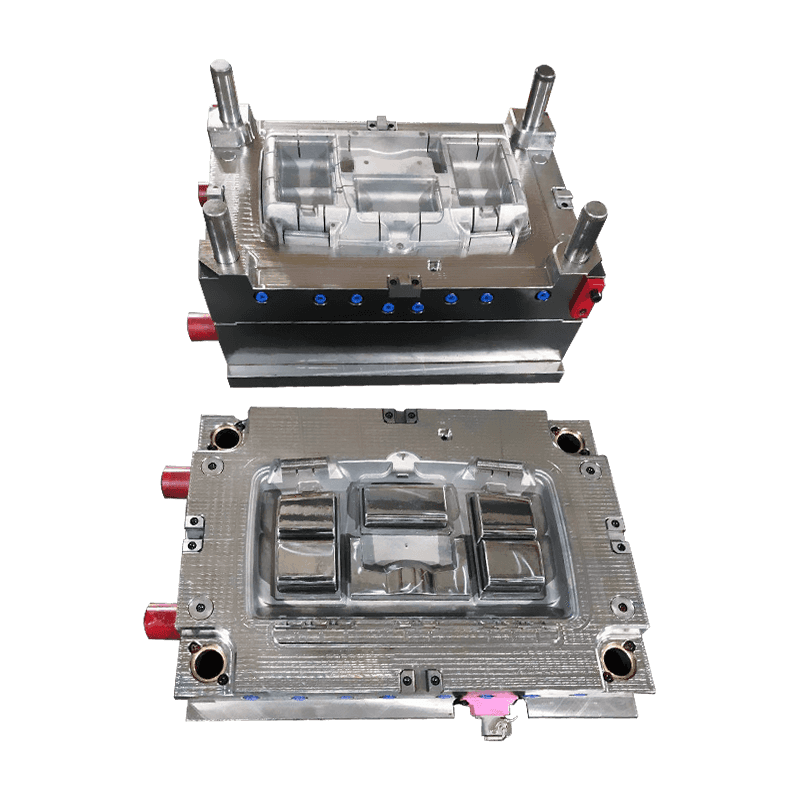
Toolbox Molds
Cat:Toolbox And Accessories Mold
Toolbox molds encompass a variety of types designed to produce different styles and sizes of toolbox...
See Details
Growing global demand for precision plastic components has made the role of a Plastic Injection Mold Factory far more demanding than simple mass production. Buyers are no longer evaluating suppliers only by price or delivery speed. Consistency, engineering capability, and traceable quality systems now define whether a factory can handle long-term industrial partnerships.
Industry discussions and manufacturing studies repeatedly highlight that poor supplier selection often results in dimensional instability, higher defect rates, and unexpected tooling rework costs . The gap between average and highly reliable factories is mainly built through process discipline rather than equipment alone.
A dependable factory is usually distinguished by its internal engineering depth. Tooling is not treated as a simple fabrication task but as a controlled design process covering geometry, shrinkage prediction, and structural stress analysis.
Key engineering indicators include:
Studies on injection molding quality emphasize that dimensional accuracy is limited by material shrinkage behavior and thermal variation, not only machining precision. Reliable factories understand this limitation early and design around it rather than correcting issues after trial runs.

Factories with stable output typically operate under structured quality management systems such as ISO-based frameworks. These systems ensure every stage—from raw material inspection to final shipment—follows documented procedures.
Common quality control elements include:
Quality standards in injection molding often combine ISO 9001 principles with industry-specific inspection methods, ensuring repeatability across large batches . Without these systems, production tends to rely too heavily on operator experience, which increases variability.
A reliable factory does not treat mold making as a one-time fabrication task. Tool longevity, maintenance access, and repair readiness are part of the original design philosophy.
Critical tooling indicators:
Industry experience shows that tooling weakness is one of the primary reasons for inconsistent part quality during long production cycles. Even a well-designed part can fail quality standards if the mold structure cannot maintain alignment under repeated stress.
Stable production is a defining characteristic of a mature injection molding facility. Many factories can produce acceptable samples, but fewer can maintain identical quality over thousands or millions of cycles.
Process stability depends on:
Advanced manufacturers increasingly rely on data-driven monitoring systems to track process drift. Research in modern injection molding highlights the use of real-time optimization models that balance quality consistency and production efficiency simultaneously.
Material management is often underestimated, yet it directly affects defect rates such as brittleness, discoloration, or surface inconsistency. Reliable factories apply strict material handling rules before molding begins.
Key practices include:
Improper handling of hygroscopic materials such as nylon can cause hydrolysis during processing, weakening final mechanical performance. Factories with strong material discipline avoid these risks through standardized preparation procedures.
Another distinguishing factor is how a factory communicates technical feedback. Strong suppliers do not simply accept drawings—they actively review feasibility, cost implications, and potential risk areas.
Reliable communication behaviors include:
This type of interaction reduces iteration cycles and prevents costly redesigns after tooling has already been manufactured.
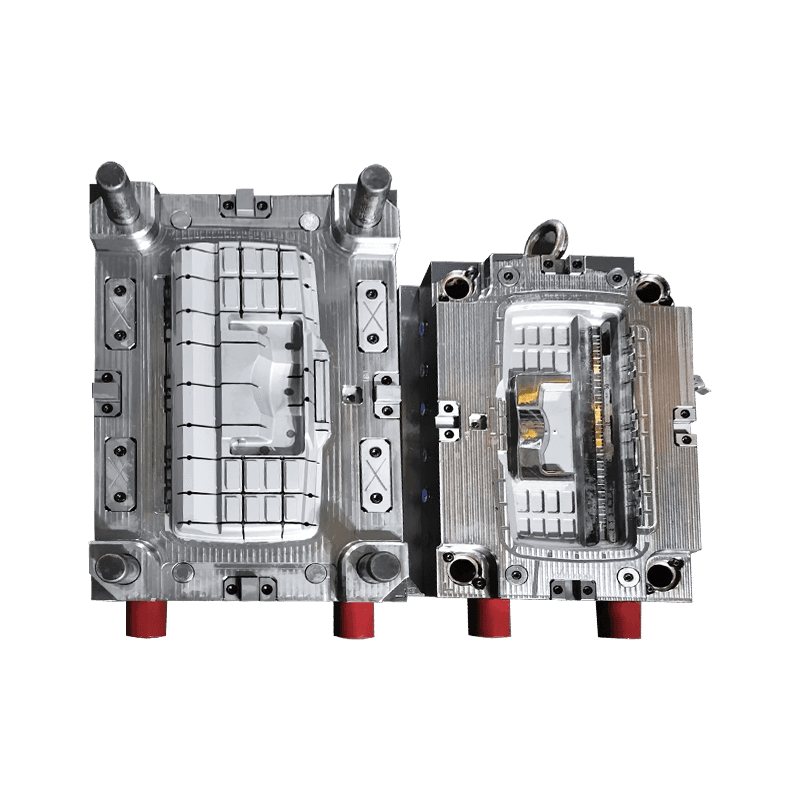
Toolbox molds encompass a variety of types designed to produce different styles and sizes of toolbox...
See Details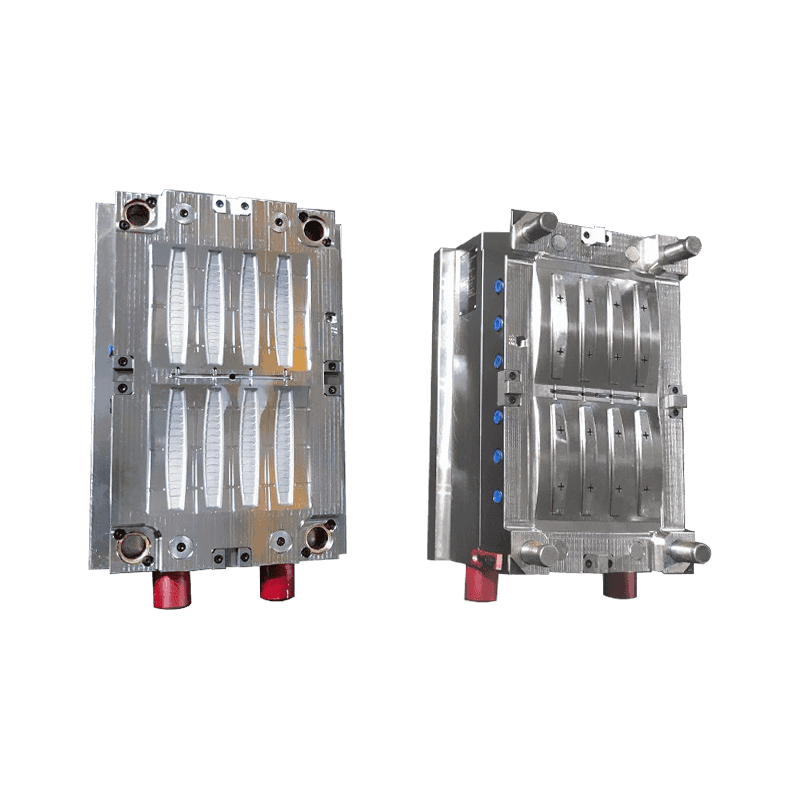
Toolbox handle trim molds play a crucial role in enhancing the functionality, aesthetics, and ergono...
See Details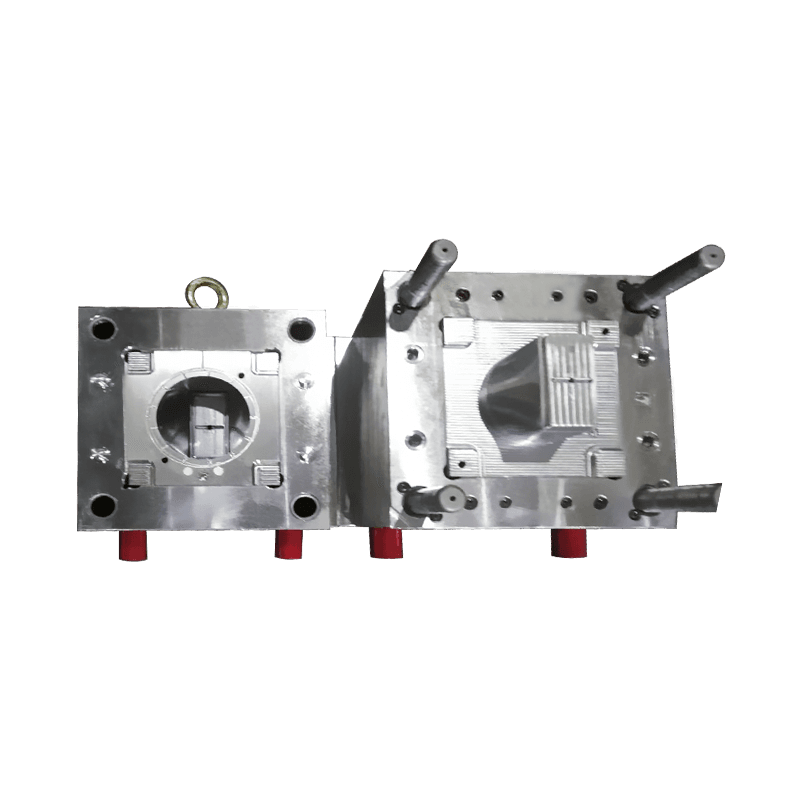
The mold for a ventilation duct interface is a critical component in the production of ventilation s...
See Details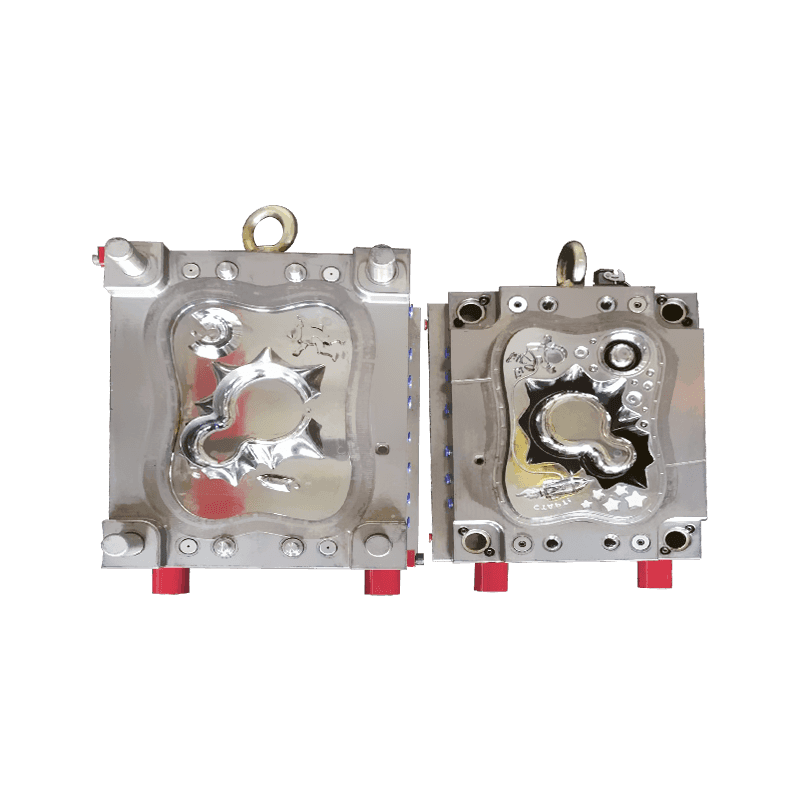
Customizing dinner plate molds to meet individual needs involves several key steps aimed at tailorin...
See Details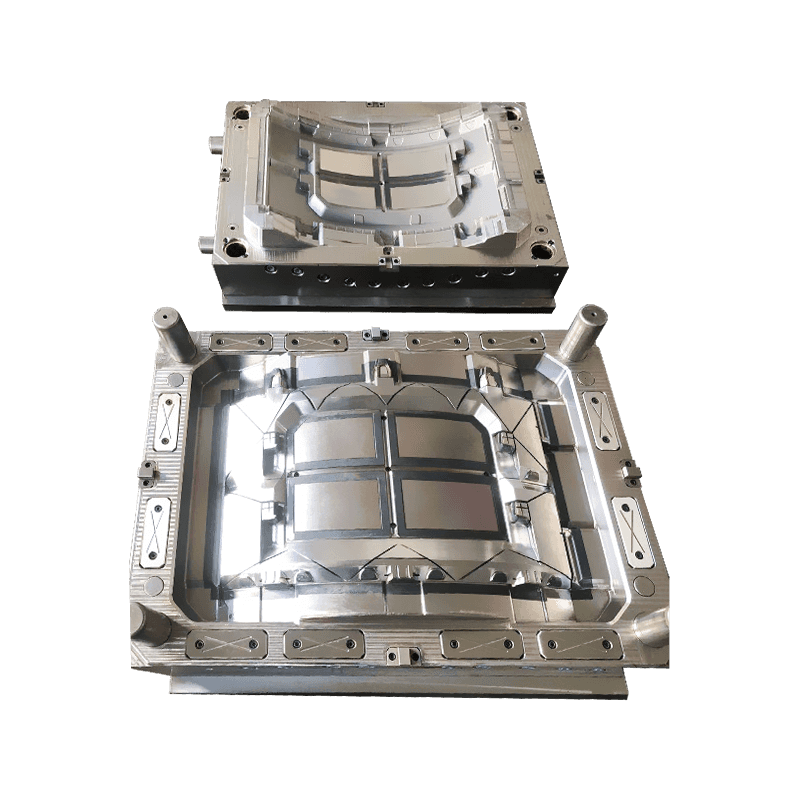
Seedling planting box molds play a crucial role in the cultivation of flowers, vegetables, and fruit...
See Details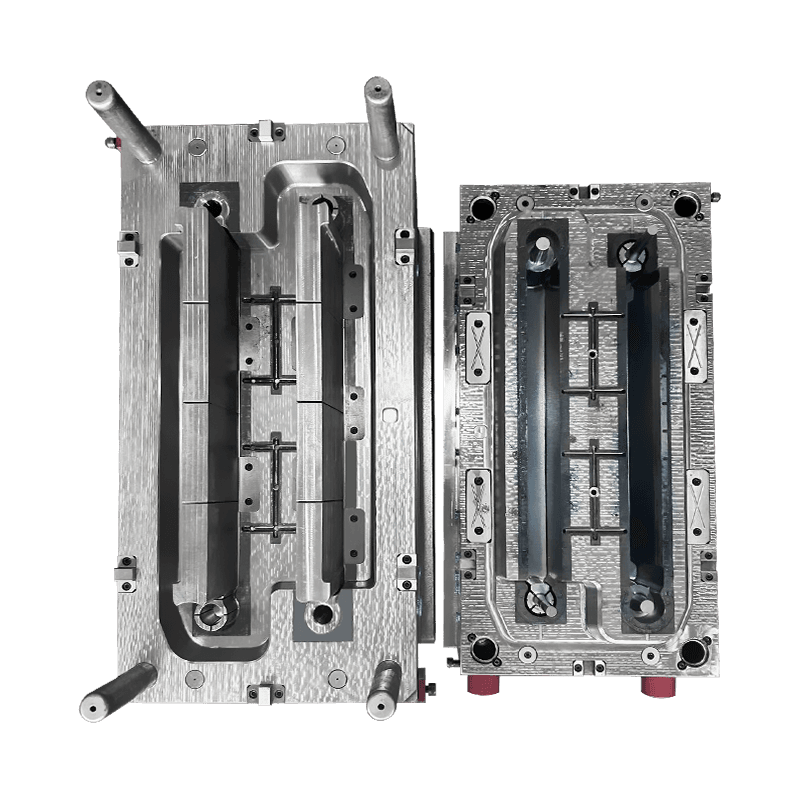
Garden fence mold products are special molds used to manufacture garden fences of various shapes and...
See Details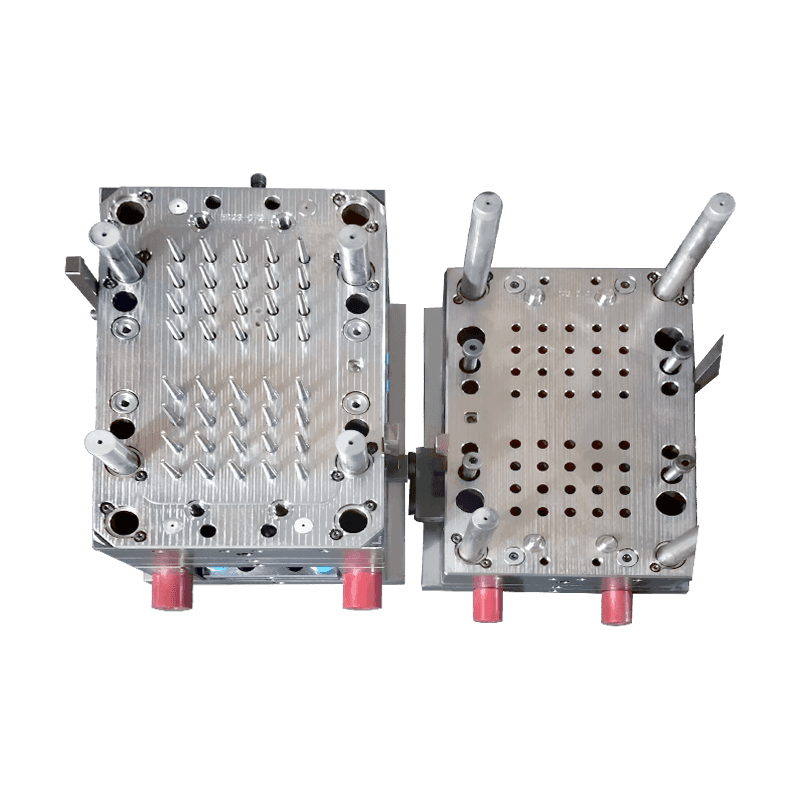
Production Capabilities and Quality Testing Standards for Medical Test Tube Mold Factories:A medical...
See Details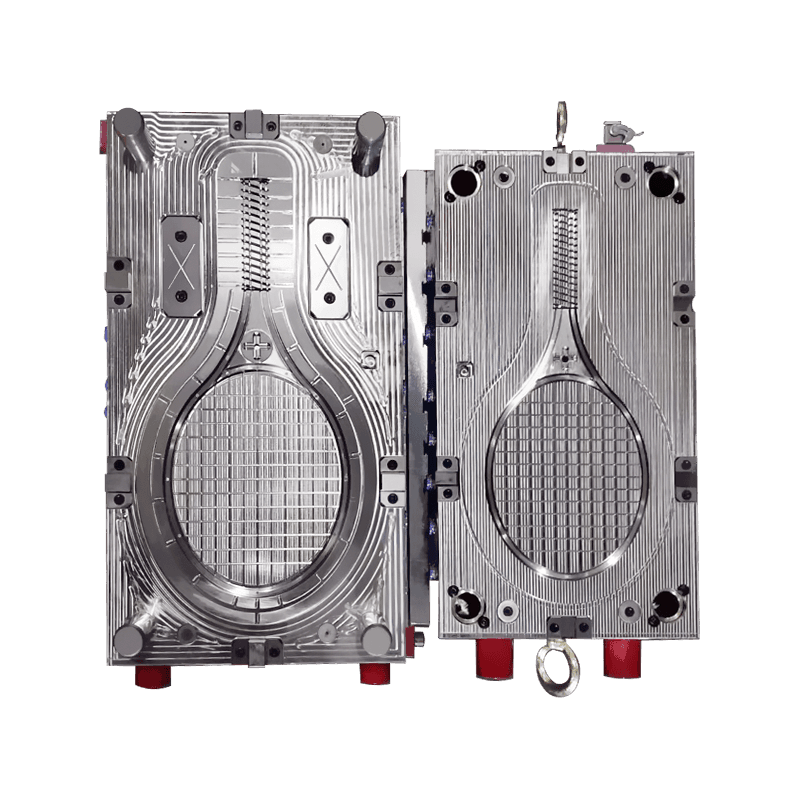
Toy racket mold is a key tool specially used to manufacture toy rackets. These molds precisely shape...
See Details+86-13616882963

We are committed to providing customers with high-quality, precision mold solutions.
Copyright © Taizhou Yiwei Mold Co., Ltd. All Rights Reserved.

Contact Us