

 English
 中文简体
中文简体 русский
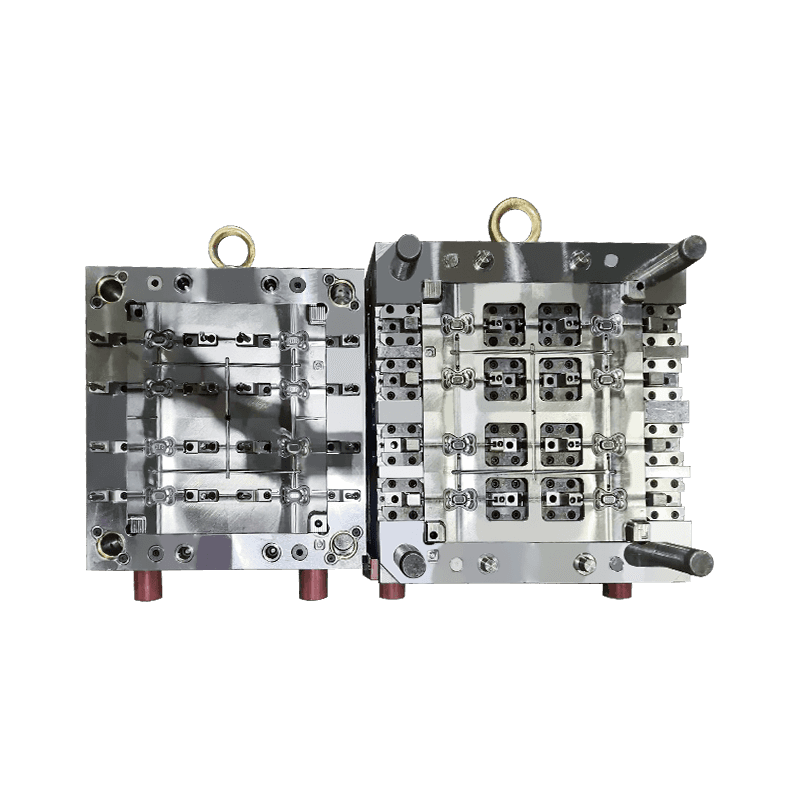
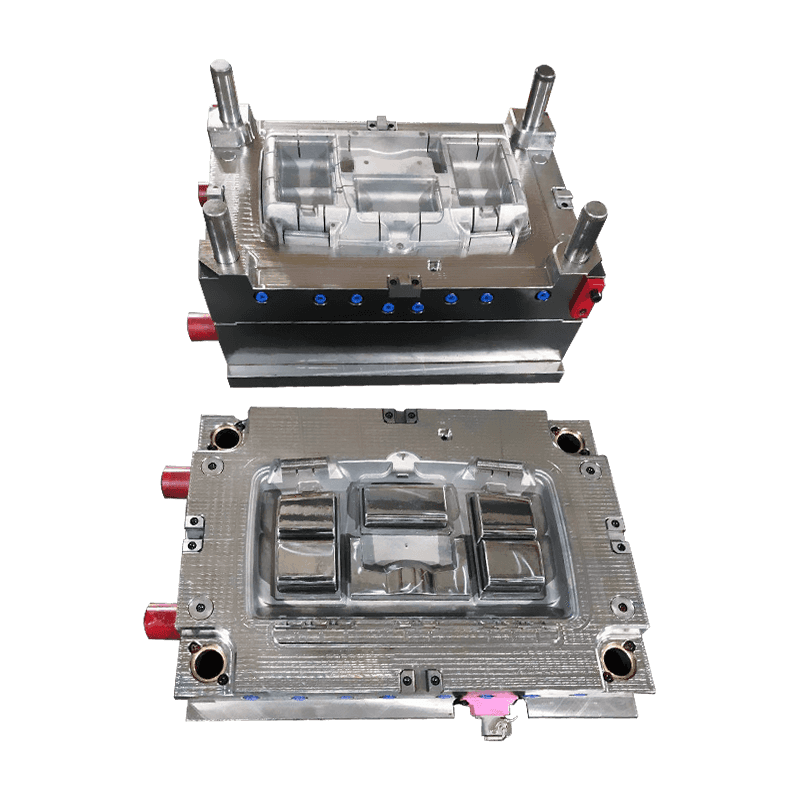
We are committed to providing customers with high-quality, precision mold solutions.
Toolbox Molds
Cat:Toolbox And Accessories Mold
Toolbox molds encompass a variety of types designed to produce different styles and sizes of toolbox...
See Details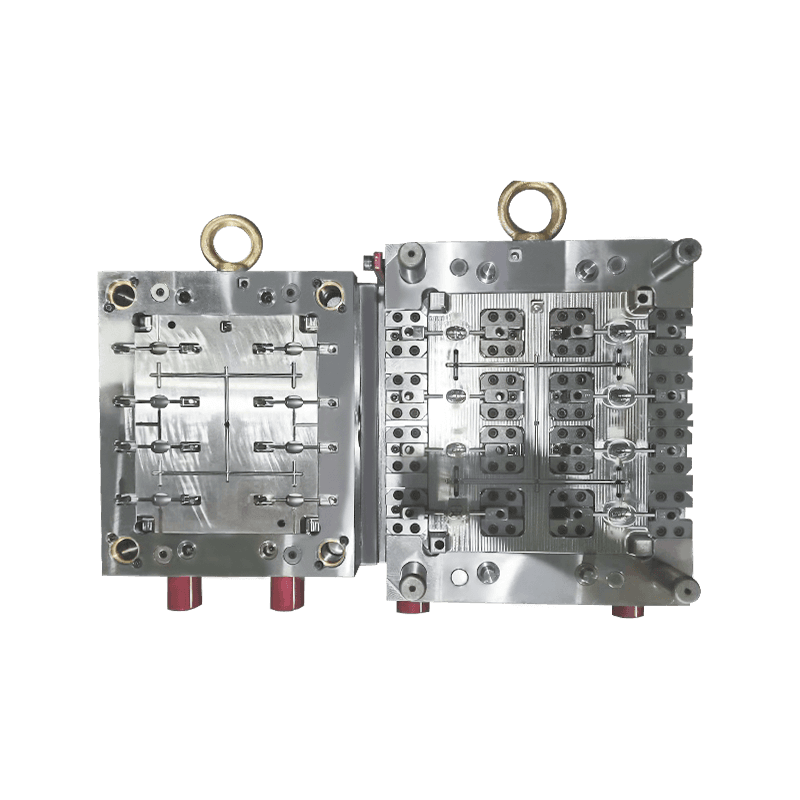
Early Appearance and Inception
The concept of injection molding dates back to the late 19th century, when basic plastic molding techniques were introduced. Early injection molds were used primarily for general industrial and household products, with limited precision and reproducibility.

Medical injection molds specifically emerged in the mid-20th century, coinciding with the rise of disposable medical devices. The introduction of plastic syringes and other single-use components created a need for molds that could produce high-precision, consistent parts suitable for medical use. These molds were designed to meet strict standards for hygiene, dimensional accuracy, and repeatability, marking the beginning of medical-grade injection molding technology.
Technological Advancements in Mold Design
Over time, the design of medical injection molds evolved to improve precision, efficiency, and functionality. Early molds were simple in structure, often producing one part at a time with basic ejector systems. As demand increased, mold designs incorporated multi-cavity structures, allowing multiple parts to be produced simultaneously, improving productivity.
Advanced techniques, such as hot runner systems, were introduced to reduce material waste and ensure consistent flow of plastic into the mold cavities. Cooling channels, precision CNC machining, and computer-aided design (CAD) further enhanced the accuracy and efficiency of medical molds. These technological advancements allowed manufacturers to produce complex medical components with tight tolerances, which are critical for the safety and effectiveness of medical devices.
Material Development and Compatibility
Material selection is a key factor in the development of medical injection molds. Early molds were made from standard tool steels or cast iron, which could handle basic plastics but were not ideal for long-term use with medical-grade polymers.
Modern medical injection molds use high-grade stainless steel, hardened tool steel, and corrosion-resistant alloys to withstand repeated production cycles and exposure to sterilization processes. Additionally, medical-grade plastics such as polypropylene, polyethylene, and polycarbonate are commonly used, requiring molds to be compatible with these materials' flow properties, shrinkage rates, and temperature tolerances. Material improvements in both molds and polymers have ensured the production of reliable, safe, and consistent medical components.
Expanded Applications and Modern Use
The development of medical injection molds has enabled the expansion of medical plastic products into a wide range of applications. Beyond syringes and vials, these molds are used to produce IV components, surgical instruments, dental products, and diagnostic equipment. The ability to produce high-precision, disposable items has supported infection control and improved patient safety.
Modern medical injection molds also integrate automation and monitoring systems, including robotic part removal, quality inspection, and process control. These features allow large-scale production while maintaining strict quality standards required in the medical industry. As medical technology advances, injection molds continue to adapt to produce smaller, more complex, and highly specialized components.
Medical injection molds appeared in the mid-20th century, driven by the demand for disposable medical devices. Technological advancements in mold design, including multi-cavity structures, hot runner systems, and precision machining, enhanced efficiency and product quality. Material development, such as the use of stainless steel molds and medical-grade polymers, improved durability and compatibility. Finally, the expansion of applications and modern automation systems has enabled the production of a wide variety of medical components, supporting safety, hygiene, and efficiency in healthcare. Understanding the history and development of medical injection molds provides insight into how technology, materials, and design have shaped modern medical device production.
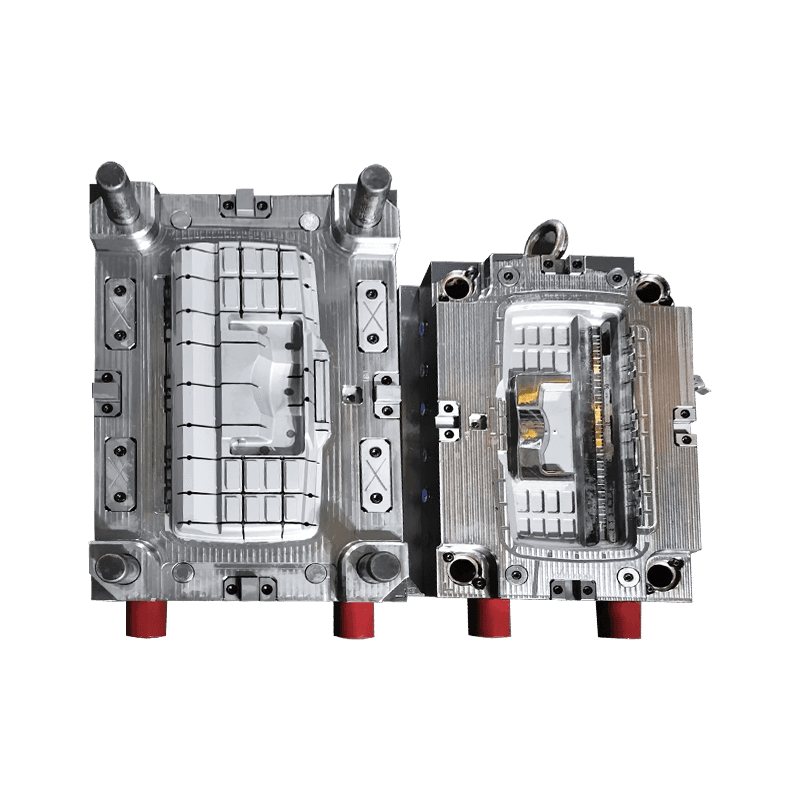
Toolbox molds encompass a variety of types designed to produce different styles and sizes of toolbox...
See Details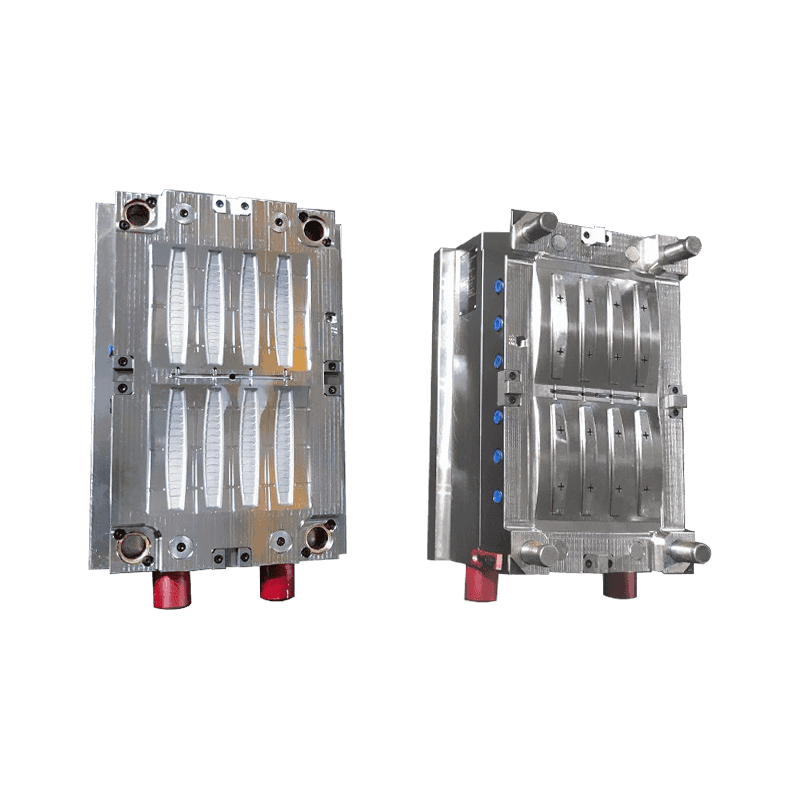
Toolbox handle trim molds play a crucial role in enhancing the functionality, aesthetics, and ergono...
See Details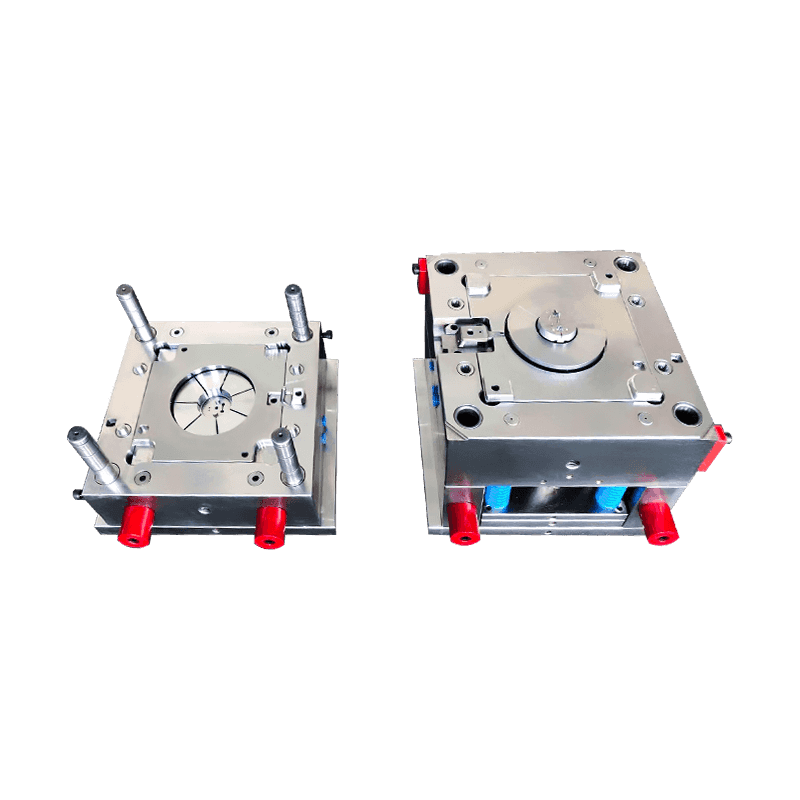
Ventilation fan molds are essential tools used in the manufacturing of ventilation fans, which play ...
See Details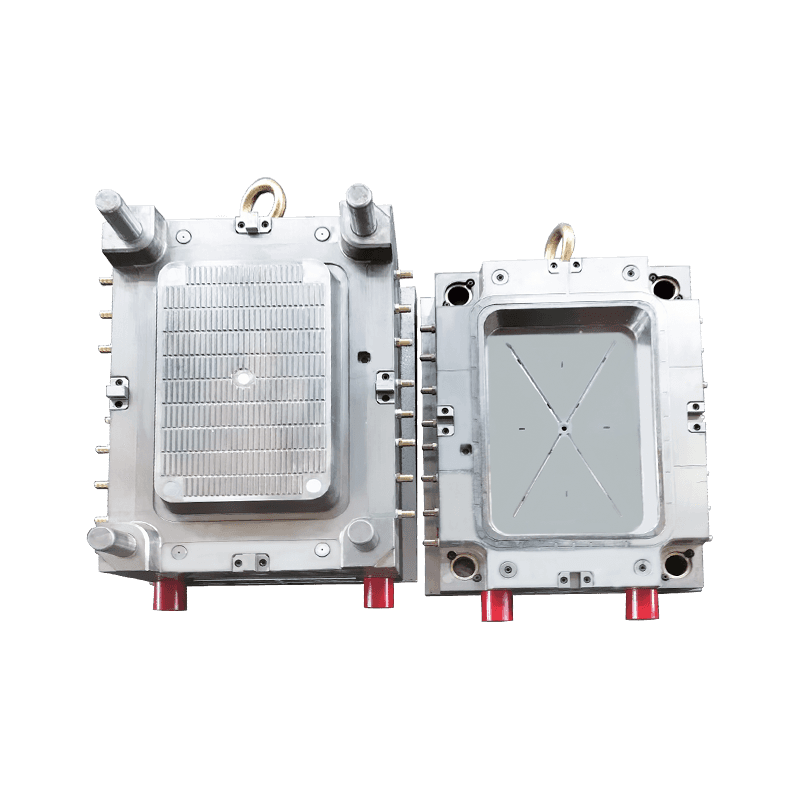
The design of the fruit and vegetable washing basket mold is crucial in balancing practicality and a...
See Details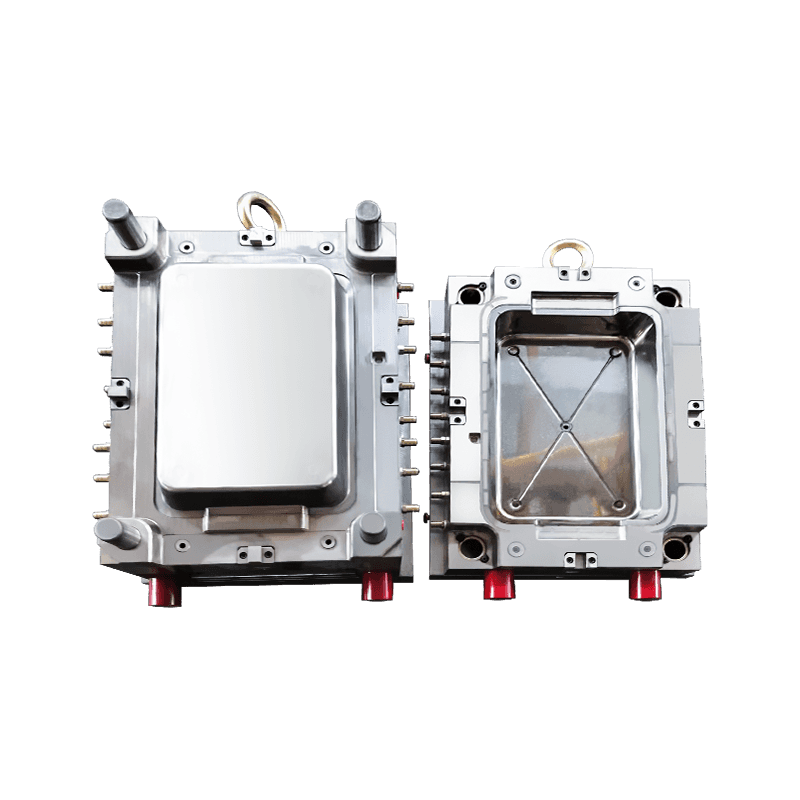
The production of fruit basket molds and the resulting fruit basket products can indeed be designed ...
See Details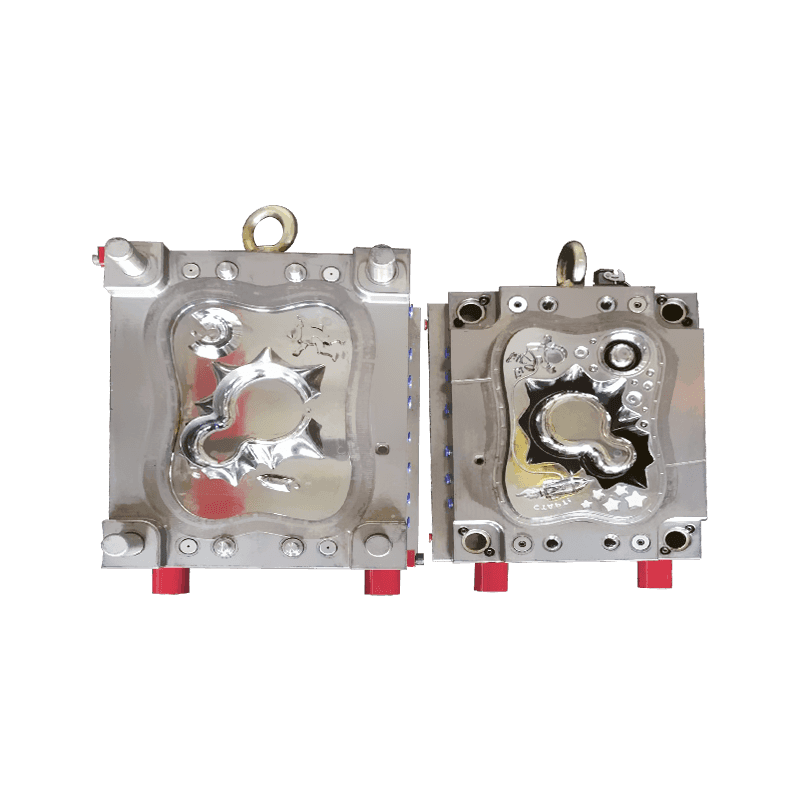
Customizing dinner plate molds to meet individual needs involves several key steps aimed at tailorin...
See Details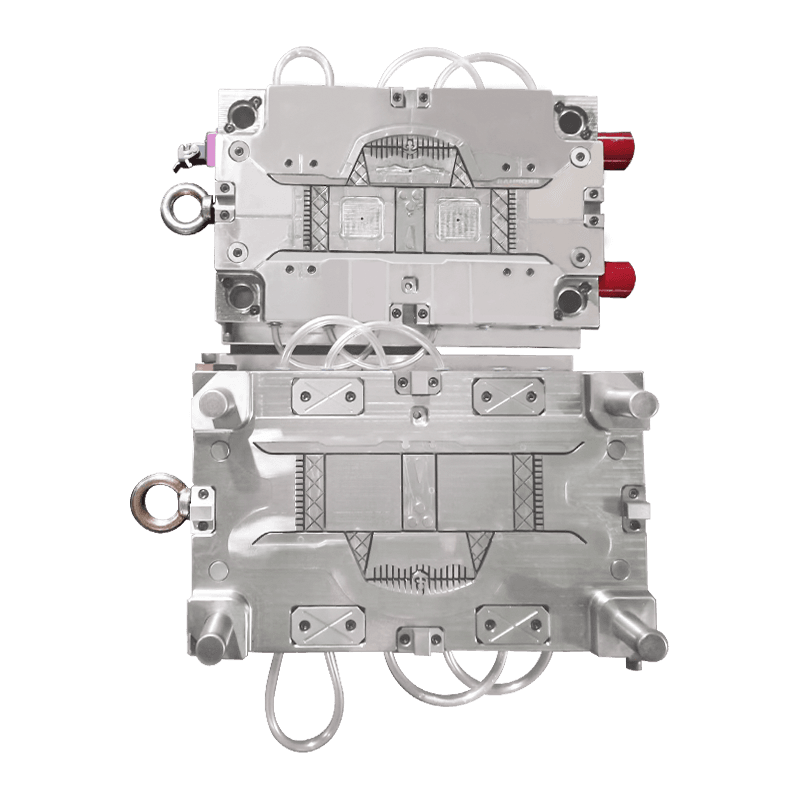
Types and Durability Design of Hanger Molds:Hanger molds come in various styles to cater to differen...
See Details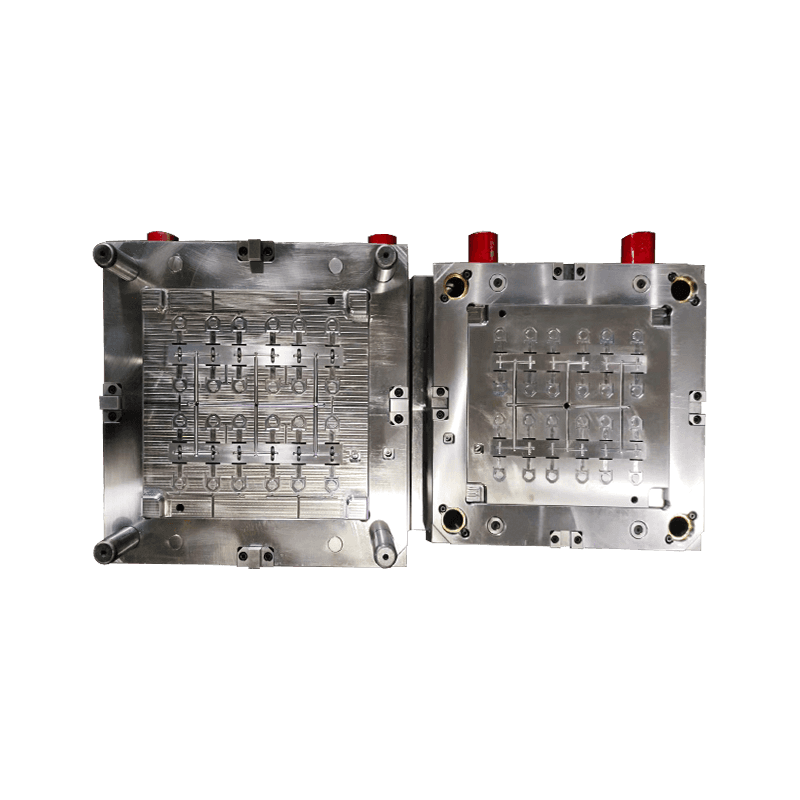
Tile spacer molds are essential tools used in the manufacturing of tile spacers, which are small, pl...
See Details+86-13616882963

We are committed to providing customers with high-quality, precision mold solutions.
Copyright © Taizhou Yiwei Mold Co., Ltd. All Rights Reserved.

Contact Us