Single-Cavity Molds: Precision in Small Batches

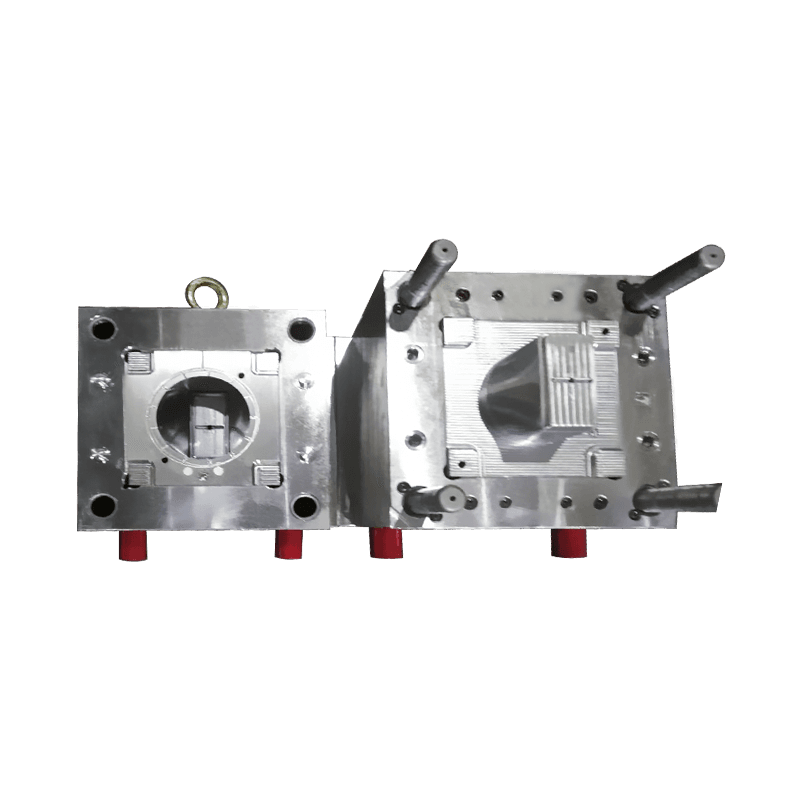
Single-cavity molds are designed to produce one part per injection cycle.
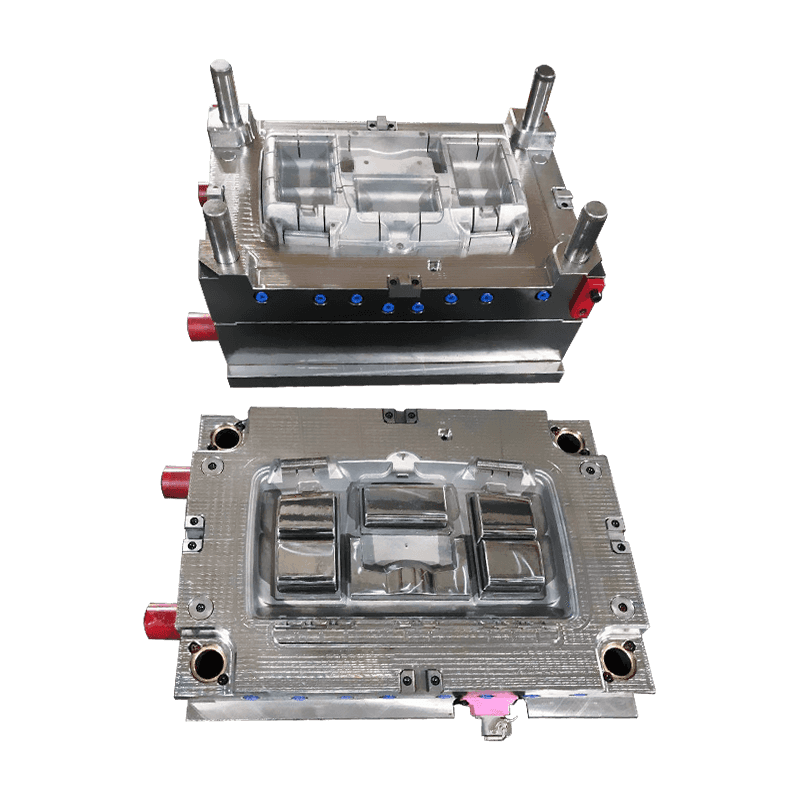
Structure and Design: These molds have a single cavity shaped according to the required medical component. They include a mold base, cavity and core inserts, cooling channels, and an ejection system.
Function: Single-cavity molds offer high precision and allow for detailed control over part quality. Each cycle produces one part, making it easier to monitor defects and maintain consistent standards.
Applications: Single-cavity molds are commonly used for small batch production, prototyping, or producing highly specialized medical components that require strict quality control. Examples include specialized syringes, caps, or customized medical parts.
Advantages: They are easier to maintain, require lower upfront investment, and allow for adjustments without affecting multiple cavities.
Multi-Cavity Molds: Efficient Mass Production
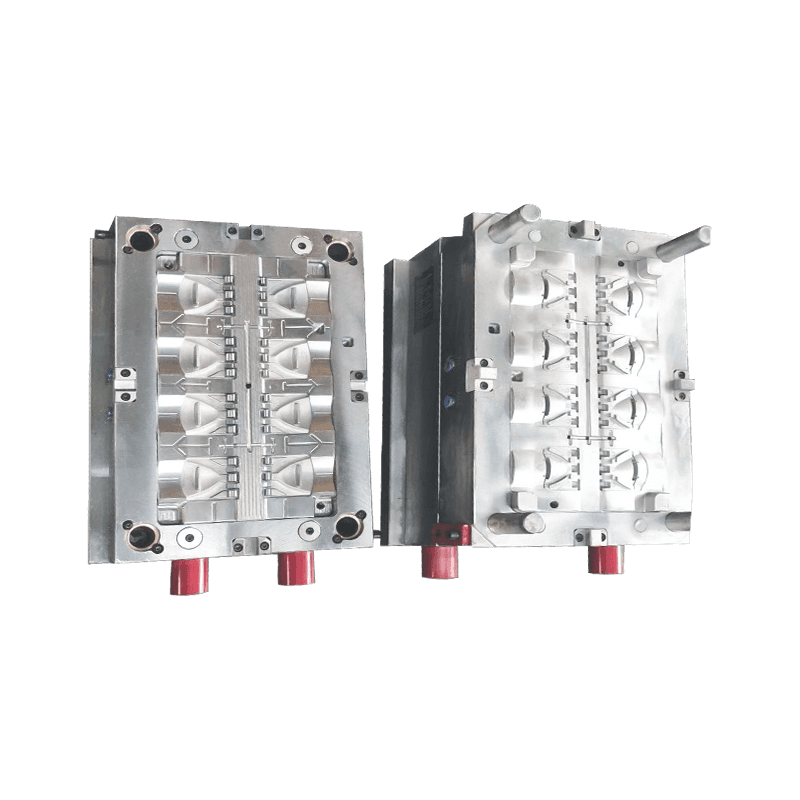
Multi-cavity molds are designed to produce several identical parts in one injection cycle.
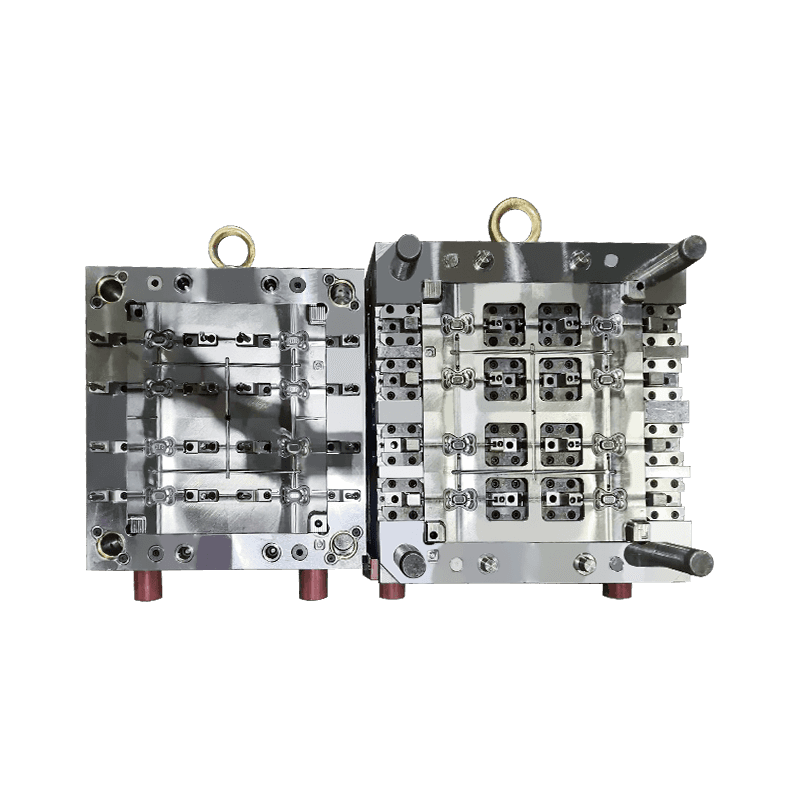
Structure and Design: These molds feature multiple cavities arranged within a single mold base. They include a runner system, cooling channels, and an ejection system to handle multiple parts simultaneously.
Function: By producing multiple components in each cycle, multi-cavity molds increase production efficiency and reduce manufacturing time. They maintain uniformity across parts, which is essential for medical devices that require consistent quality.
Applications: Multi-cavity molds are suitable for high-volume production of items such as syringe barrels, caps, and medical tubing connectors.
Advantages: They reduce per-unit production costs and increase output, making them practical for large-scale medical manufacturing.
Hot Runner Molds: Reducing Material Waste
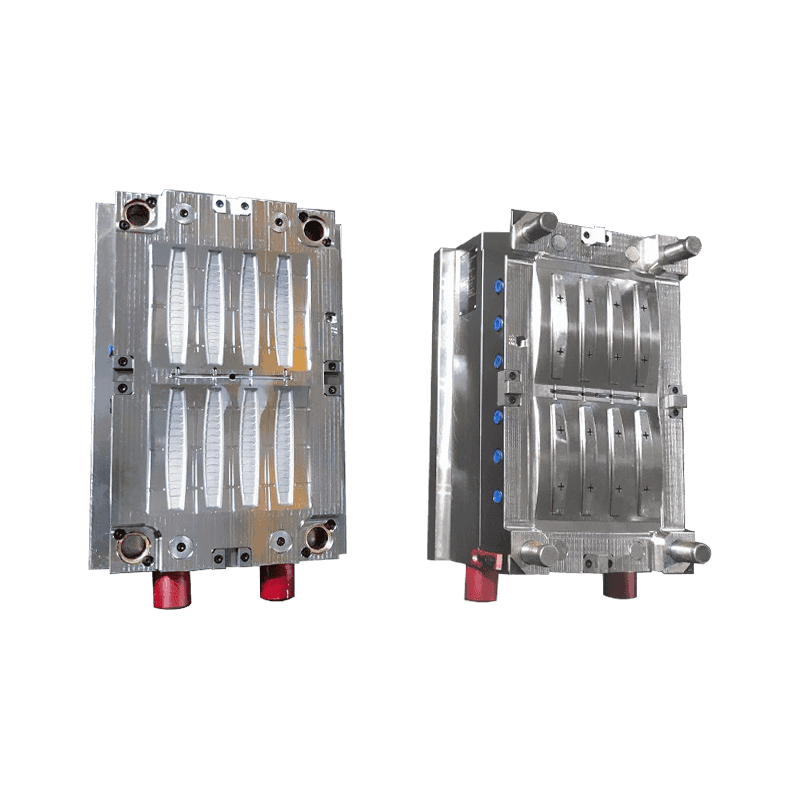
Hot runner molds are designed to keep the plastic in a molten state within heated channels, delivering it directly to the cavities.
Structure and Design: These molds include a heated runner system integrated into the mold, allowing molten material to flow continuously to multiple cavities. The mold also includes temperature control systems, cavity inserts, and an ejection mechanism.
Function: Hot runner molds minimize material waste by preventing the formation of cold runners, which are often discarded in conventional molds. They also improve cycle times and part quality by ensuring consistent temperature distribution.
Applications: Hot runner molds are widely used for producing high-volume medical components such as IV connectors, inhaler parts, and injection device housings.
Advantages: They improve efficiency, reduce post-processing, and enhance the surface quality of molded parts.
Family Molds: Multiple Part Production in One Cycle
Family molds are designed to produce different parts simultaneously in a single injection cycle.
Structure and Design: Family molds contain multiple cavities of varying shapes and sizes, each forming a different component. They include a runner system, cooling channels, and ejection mechanisms for each part.
Function: Family molds allow manufacturers to produce several complementary components in one cycle, improving workflow efficiency and ensuring that all parts are produced under consistent conditions.
Applications: They are commonly used for medical kits that include multiple components, such as syringe sets, IV sets, or combination packaging of medical devices.
Advantages: Family molds reduce assembly time and allow synchronized production of related parts, ensuring compatibility and consistency across components.
Medical injection molds are essential tools in the production of precise, high-quality medical components. Single-cavity molds focus on precision for small batches and specialized parts. Multi-cavity molds increase efficiency by producing multiple identical components simultaneously, suitable for high-volume production. Hot runner molds reduce material waste and improve part quality, especially in high-output settings. Family molds enable the simultaneous production of multiple different components, improving workflow and assembly efficiency. Each type of mold is designed to meet specific production needs, balancing quality, efficiency, and cost. Understanding these types allows manufacturers to choose the most appropriate mold for their production goals, ensuring safe, reliable, and efficient manufacturing of medical devices.



 English
 中文简体
中文简体 русский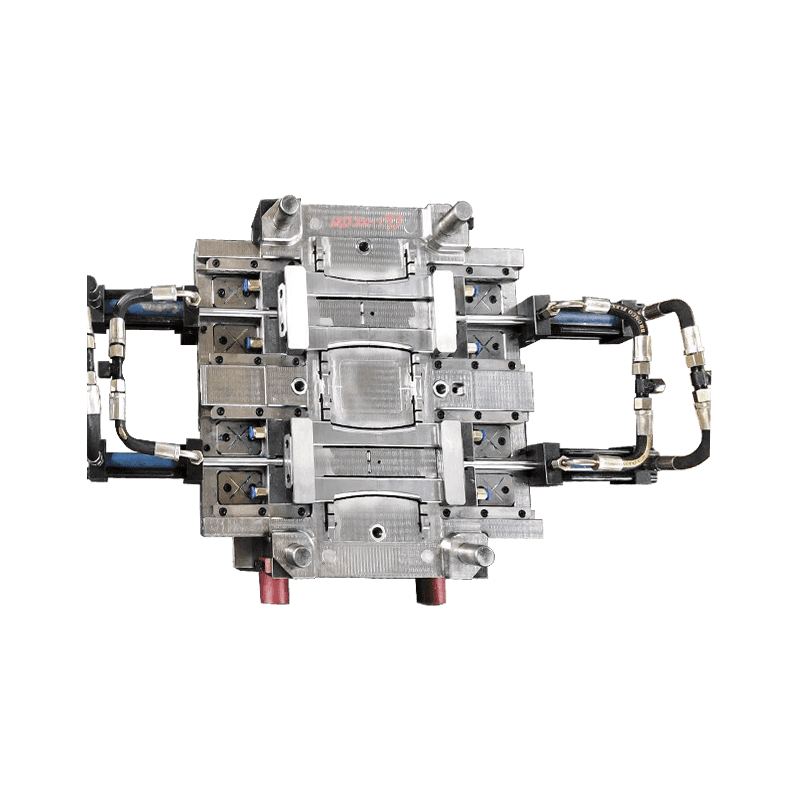


Contact Us