

 English
 中文简体
中文简体 русский
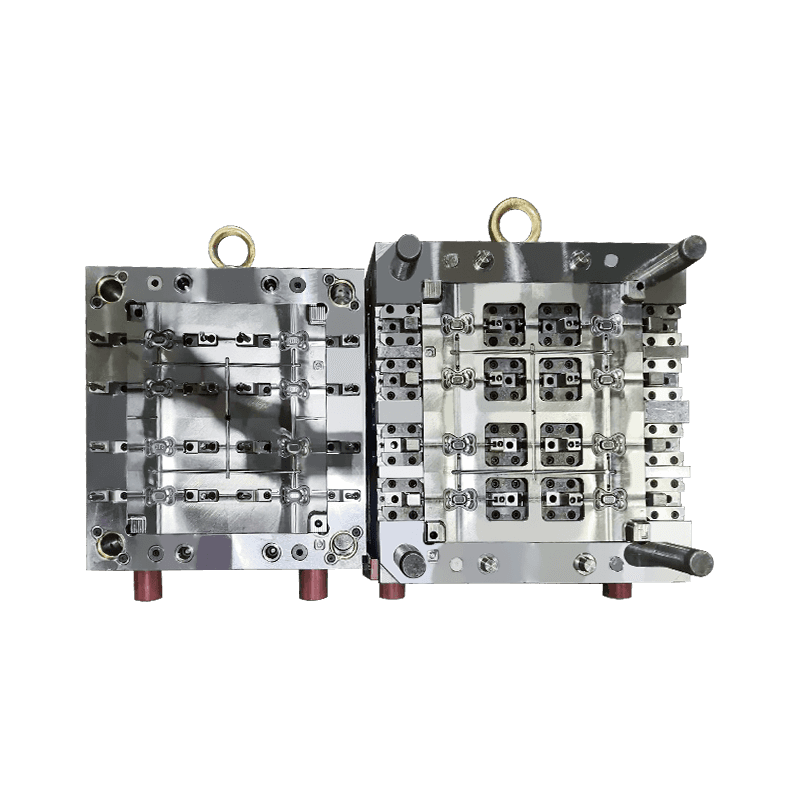
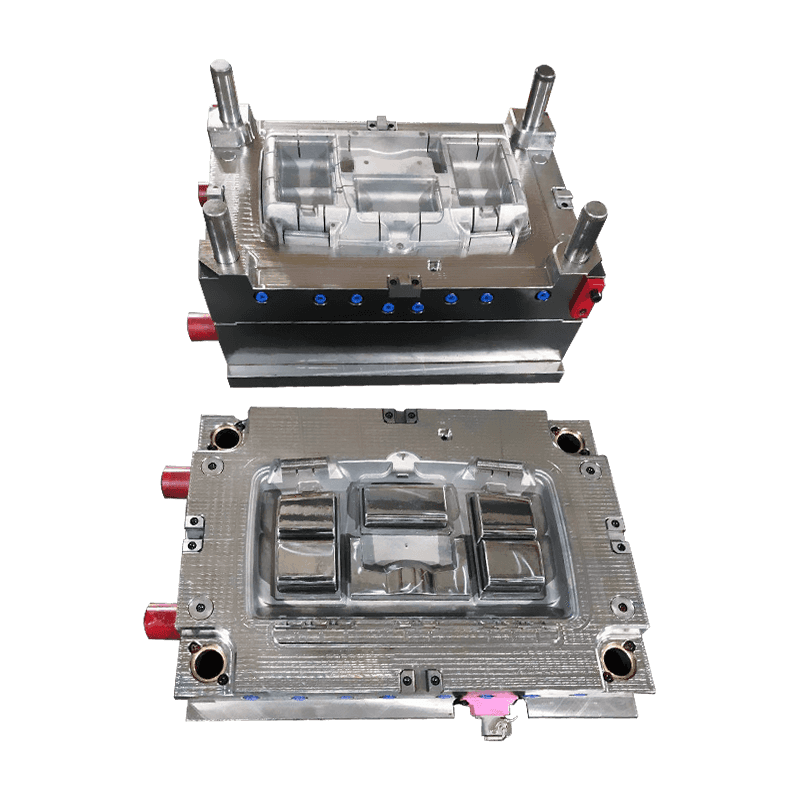
We are committed to providing customers with high-quality, precision mold solutions.
Toolbox Molds
Cat:Toolbox And Accessories Mold
Toolbox molds encompass a variety of types designed to produce different styles and sizes of toolbox...
See Details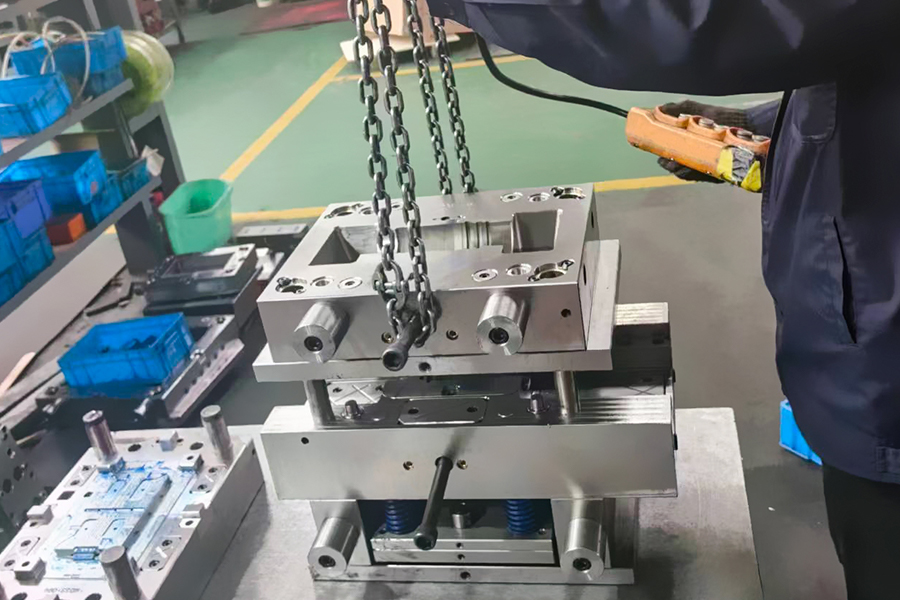
The production of these items relies heavily on molds that shape molten plastic into specific forms. Plastic daily necessities molds are designed to ensure precision, repeatability, and efficiency in manufacturing. While various mold types exist, three are particularly common: injection molds, blow molds, and compression molds.

1. Injection Molds and Their Application in Daily Necessities Production
Injection molds are widely used in the production of plastic daily necessities due to their versatility and ability to produce complex shapes with high precision. In this process, plastic material is melted and injected into a mold cavity under high pressure. Once the plastic cools and solidifies, the mold opens, and the finished part is ejected. Injection molds are suitable for items such as toothbrushes, combs, storage containers, and kitchen utensils.
The design of an injection mold includes the cavity, core, runners, gates, and ejection system. Modern injection molds often use multiple cavities to produce several identical parts in one cycle, improving efficiency. The molds are usually made from hardened steel or aluminum, depending on production volume and material type. Injection molding allows for fine detail, consistent dimensions, and smooth surfaces, which are important for both functional and aesthetic aspects of daily necessities. The process can accommodate thermoplastic materials, which are widely used for lightweight and durable household items.
2. Blow Molds for Hollow Daily Necessities Items
Blow molds are another common type of mold used for producing hollow plastic items. In blow molding, a heated plastic parison or preform is placed in a mold, and air is blown into it to expand the plastic against the mold walls. After cooling, the mold opens, and the hollow product is removed. This technique is especially suited for items such as water bottles, storage bottles, spray containers, and cosmetic bottles.
Blow molding allows for efficient production of uniform, hollow parts that maintain consistent wall thickness. The molds can be designed as two-part or multi-part constructions to accommodate different shapes and sizes. There are several types of blow molding, including extrusion blow molding, injection blow molding, and stretch blow molding, each suitable for specific applications. The design of blow molds must consider the expansion of the material and uniform cooling to prevent deformation. The ability to produce lightweight, hollow objects with controlled dimensions makes blow molds widely used in beverage containers, cleaning product bottles, and other daily necessities that require fluid containment.
3. Compression Molds for Simple and Durable Daily Necessities
Compression molds are another common mold type, typically used for producing items with simpler shapes or for materials that require pressing rather than injection. In compression molding, preheated plastic material or thermoset resin is placed into an open mold cavity. The mold is then closed, and pressure is applied to shape and cure the material. Once cooled, the mold opens, and the finished part is removed.
Compression molds are suitable for products such as kitchenware, coasters, soap dishes, and utensil handles. The process allows for uniform density, strength, and material flow within the part, making it suitable for items that need durability. Compression molding is especially used with thermosetting plastics, which harden permanently under heat and pressure, providing heat resistance and structural integrity. The molds are usually constructed from metal and may include features to ensure proper venting and precise thickness. Although compression molding may have slower production cycles than injection molding, it remains valuable for items where material performance and durability are prioritized over rapid output.
4. Selection Considerations for Daily Necessities Molds
Choosing the appropriate mold type depends on several factors, including product design, material selection, production volume, and functional requirements. Injection molds are preferred when precision, complex shapes, and high repeatability are needed. Blow molds are chosen for hollow items, especially those used to contain liquids or require lightweight construction. Compression molds are suitable for durable, simpler items, particularly when thermosetting materials are used.
Other factors include mold cost, maintenance, and ease of production. High-volume products benefit from molds that allow multi-cavity setups, while specialized or limited-run items may use simpler molds to reduce upfront costs. Material selection also influences mold choice, as different plastics require specific processing conditions such as temperature, pressure, and cooling time. By understanding the advantages and limitations of each mold type, manufacturers can select a solution that balances efficiency, material compatibility, and the functional requirements of the final product.
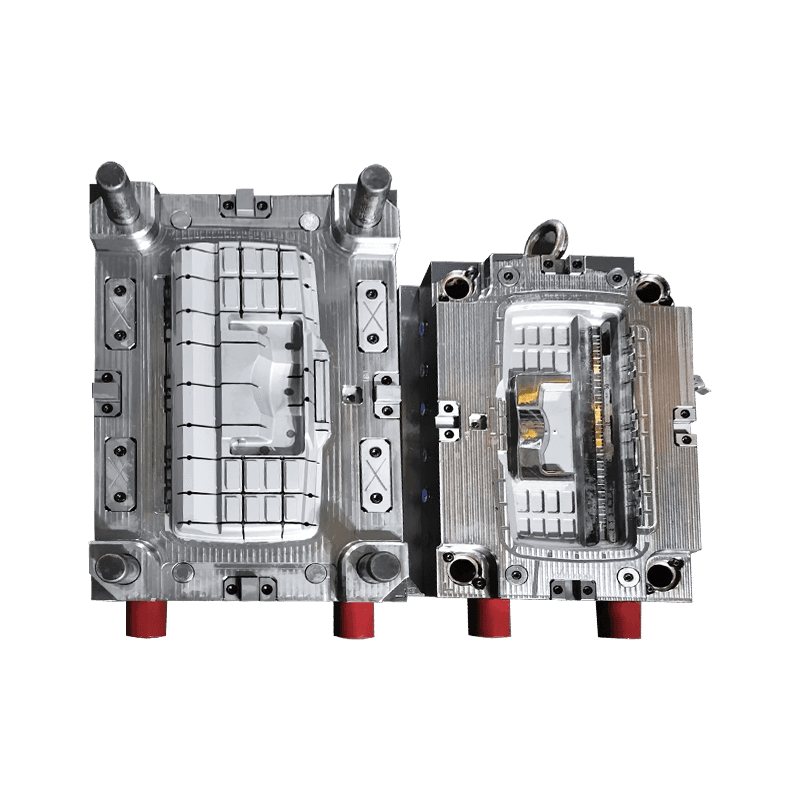
Toolbox molds encompass a variety of types designed to produce different styles and sizes of toolbox...
See Details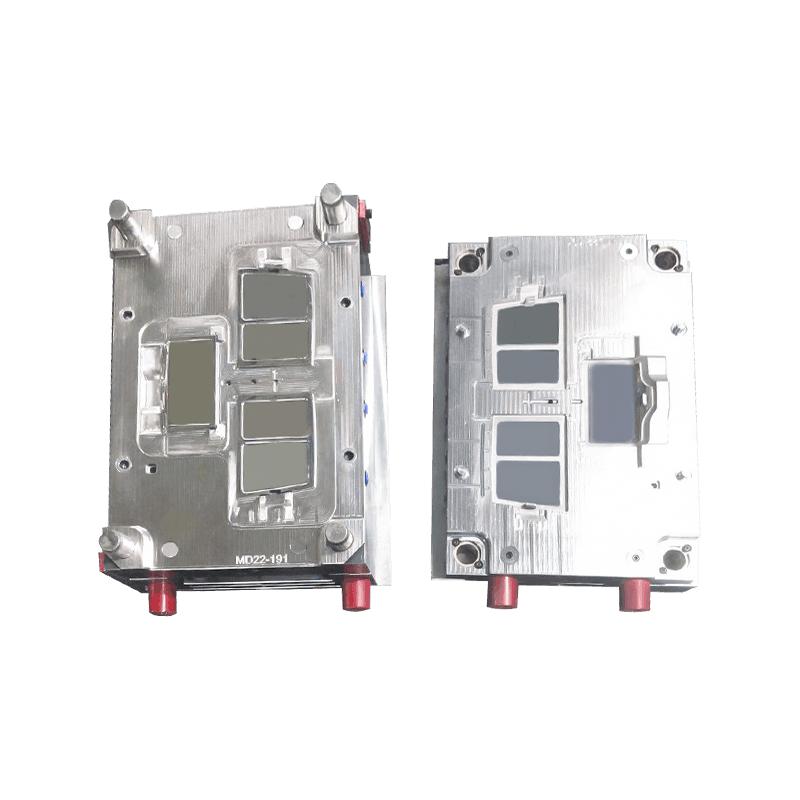
Toolbox storage box lid molds are essential components in the manufacturing process of toolboxes and...
See Details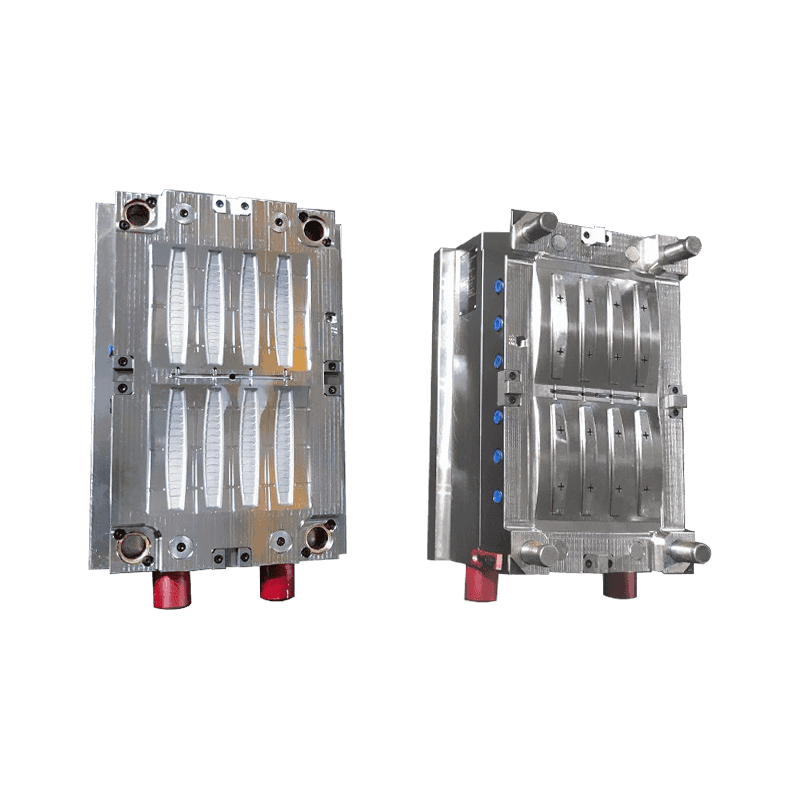
Toolbox handle trim molds play a crucial role in enhancing the functionality, aesthetics, and ergono...
See Details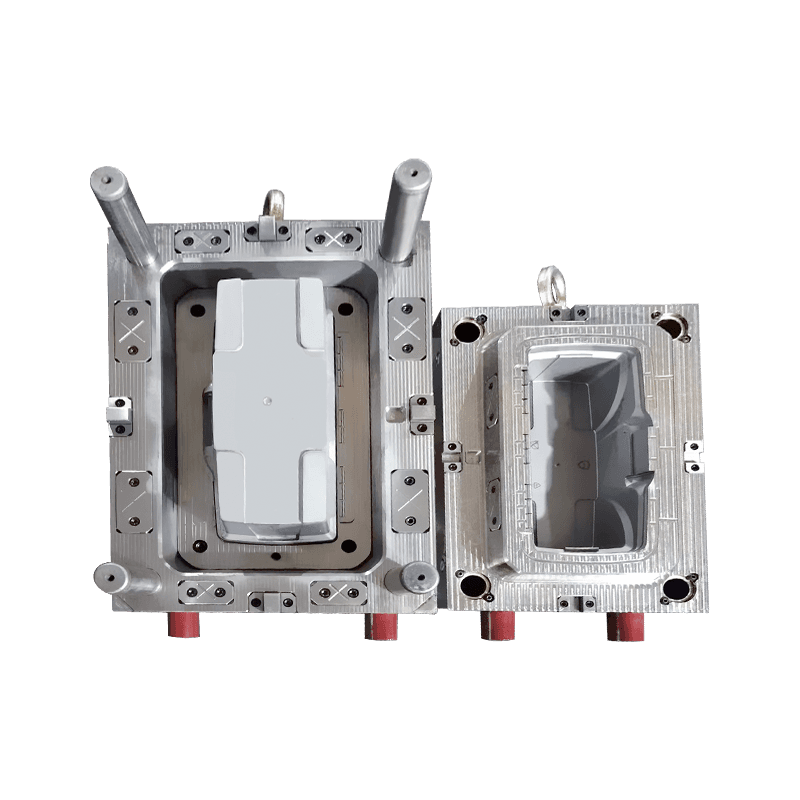
Toolbox shell molds play a pivotal role in the production of the outer casing or shell of toolboxes....
See Details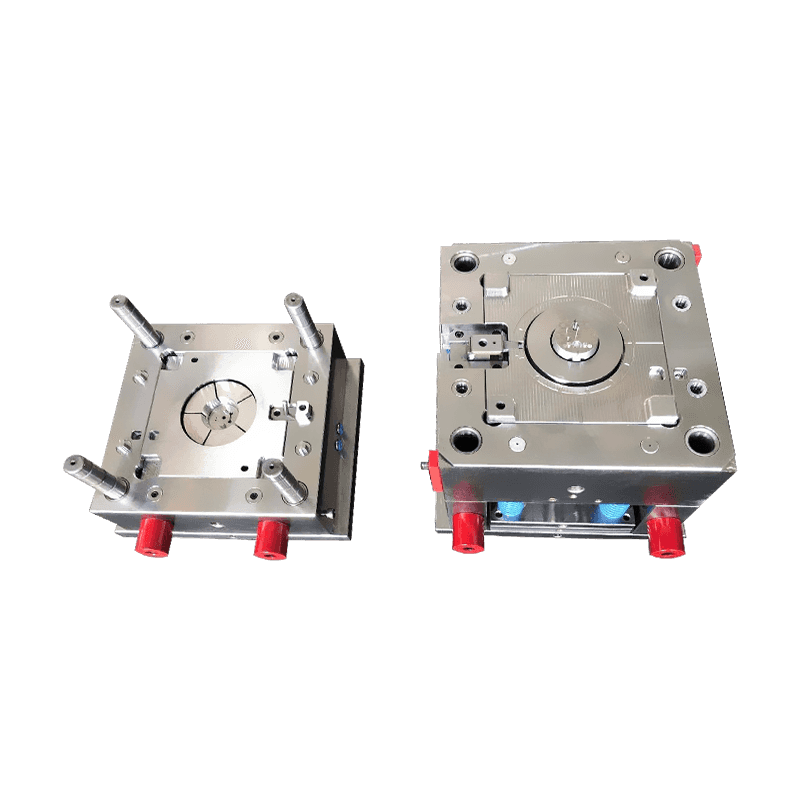
The duct exhaust fan shell mold is a special mold used to produce the duct exhaust fan shell. It use...
See Details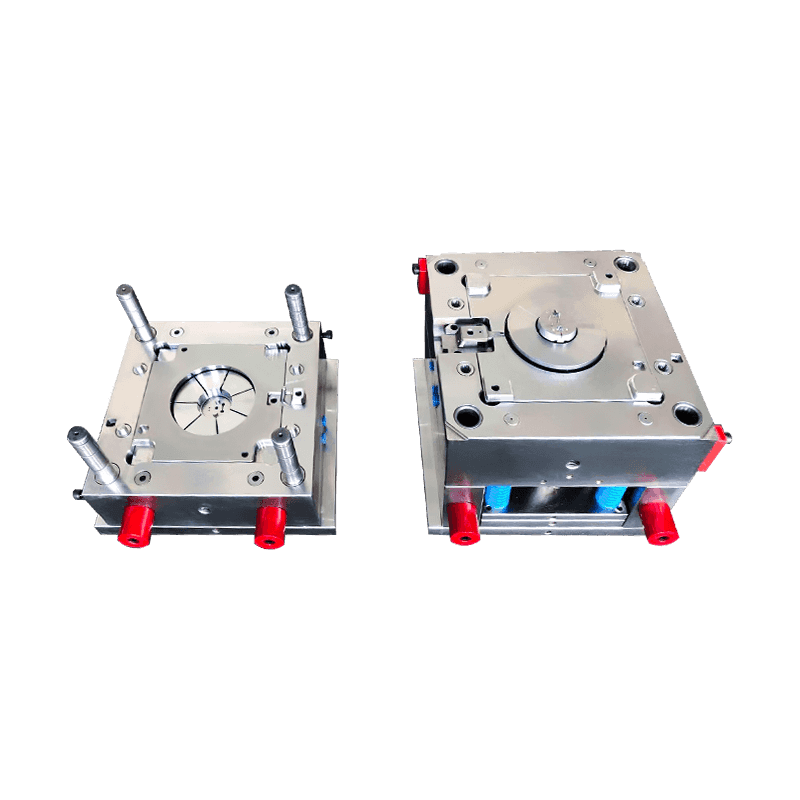
Ventilation fan molds are essential tools used in the manufacturing of ventilation fans, which play ...
See Details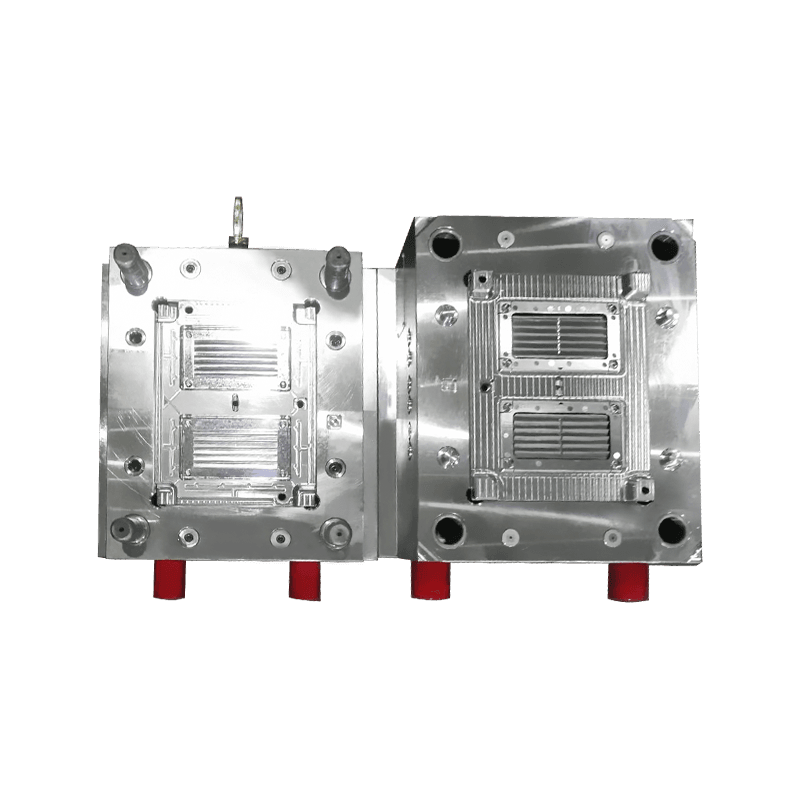
Ventilation grille molds are specialized molds used for manufacturing ventilation grilles. These mol...
See Details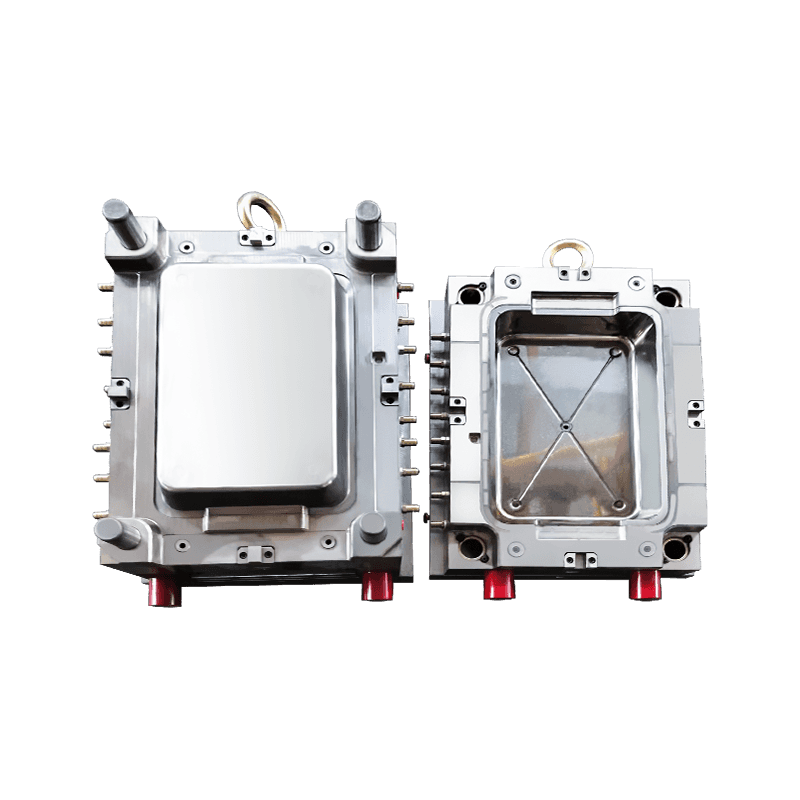
The production of fruit basket molds and the resulting fruit basket products can indeed be designed ...
See Details+86-13616882963

We are committed to providing customers with high-quality, precision mold solutions.
Copyright © Taizhou Yiwei Mold Co., Ltd. All Rights Reserved.

Contact Us