

 English
 中文简体
中文简体 русский
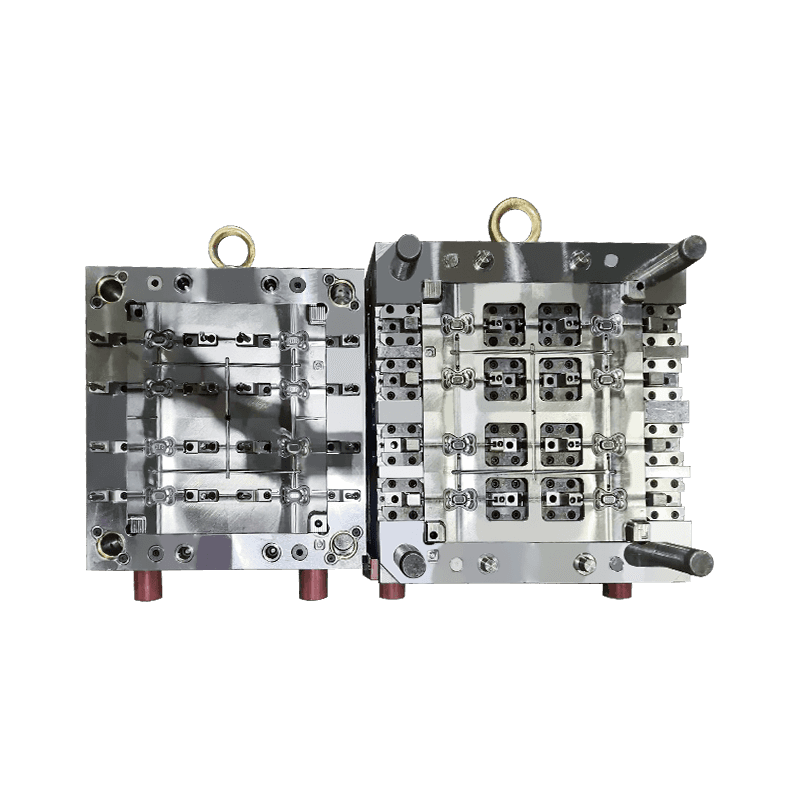
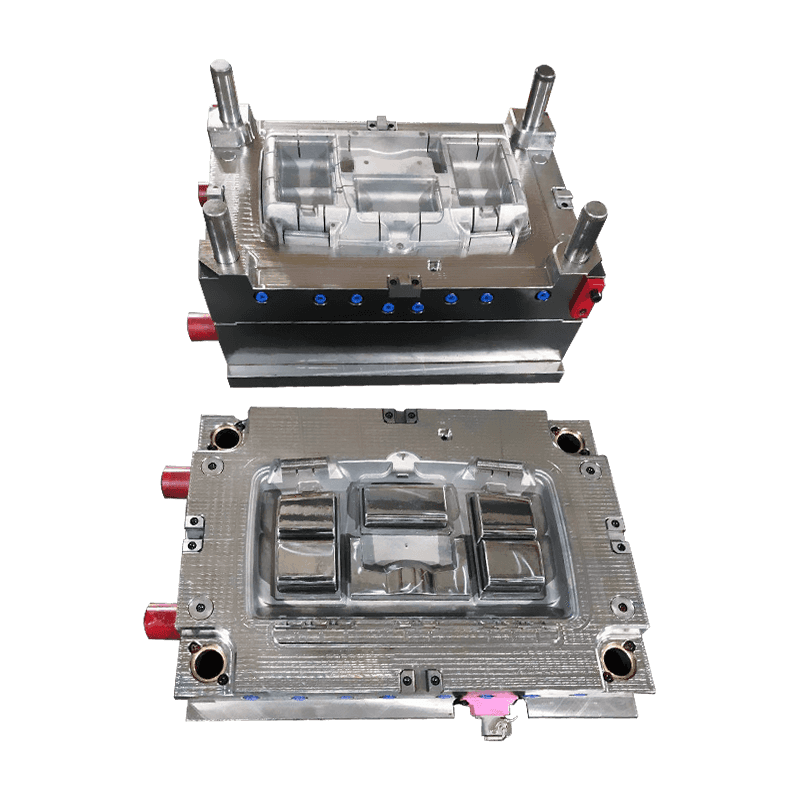
We are committed to providing customers with high-quality, precision mold solutions.
Toolbox Molds
Cat:Toolbox And Accessories Mold
Toolbox molds encompass a variety of types designed to produce different styles and sizes of toolbox...
See Details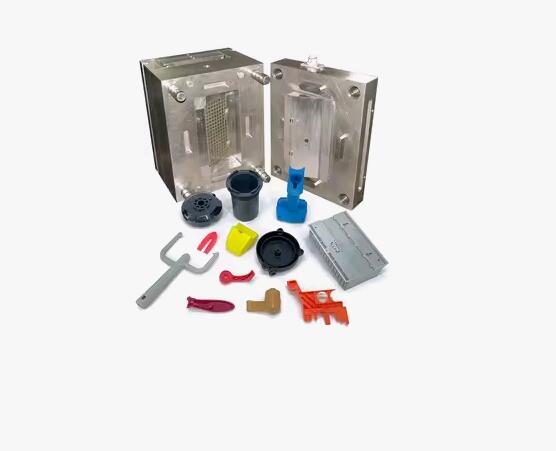
Types of Plastic Toy Molds
Plastic toy molds are designed according to the production method and the type of toy being produced. The common type is the injection mold, which uses molten plastic injected into a mold cavity to form the desired shape. Injection molds are suitable for mass production and allow for high precision and surface detail.
Another type is blow molds, used for hollow toys such as balls, dolls, and containers. Blow molding involves inflating molten plastic inside a mold to create a hollow structure. Compression molds are also used for some rubber or plastic toys, where material is pressed into the mold cavity. Each type of mold has a specific function and is selected based on the toy's design, size, and production requirements.
Design Considerations and Features
The design of plastic toy molds affects the quality, safety, and manufacturability of the toys. Mold designers consider the complexity of the toy's shape, the number of cavities, and the ease of part removal. Multi-cavity molds allow multiple toys to be produced in a single cycle, increasing production efficiency.
Features such as ejector pins, cooling channels, and precise cavity shapes are incorporated to ensure uniformity and reduce defects. Attention to detail is important for small components like toy gears or figurine parts, as even slight variations can affect assembly or performance. Proper design also ensures that molds meet safety standards and minimize the risk of sharp edges or fragile areas in the finished toy.
Materials and Durability
The materials used for plastic toy molds are chosen to withstand repeated production cycles and high temperatures. High-quality tool steels, hardened steel, and aluminum alloys are commonly used. These materials provide strength, corrosion resistance, and wear resistance, which are necessary for consistent production over time.
The selection of mold materials is also influenced by the type of plastic used. For example, polyethylene or polypropylene may require different mold surface treatments compared to ABS or polycarbonate. Proper maintenance and lubrication of the mold are essential to extend its lifespan and ensure consistent quality in the finished toys.
Applications and Modern Trends
Plastic toy molds are used in a wide range of applications, from simple figurines and building blocks to complex mechanical toys and educational tools. Modern manufacturing processes allow for the creation of toys with multiple colors, moving parts, or even embedded electronics.
Trends in the toy industry, such as environmentally friendly materials and educational designs, have influenced mold design. For instance, molds are now adapted for biodegradable plastics or for producing modular components that can be reused or assembled in different ways. This flexibility allows manufacturers to meet consumer demand while maintaining safety and efficiency in production.
Plastic toy molds are critical tools in toy manufacturing, providing consistency, precision, and safety in production. They can be categorized into types such as injection molds, blow molds, and compression molds, each suited for specific toy designs. Design considerations, including multi-cavity structures, cooling channels, and part removal mechanisms, ensure quality and efficiency. Materials and durability are key factors, with high-quality steels and alloys selected to withstand repeated use. Finally, applications and modern trends show that molds are used to produce a wide variety of toys, with increasing attention to safety, sustainability, and functionality. Understanding these aspects allows manufacturers and designers to create toys that are reliable, safe, and suitable for different markets and purposes.
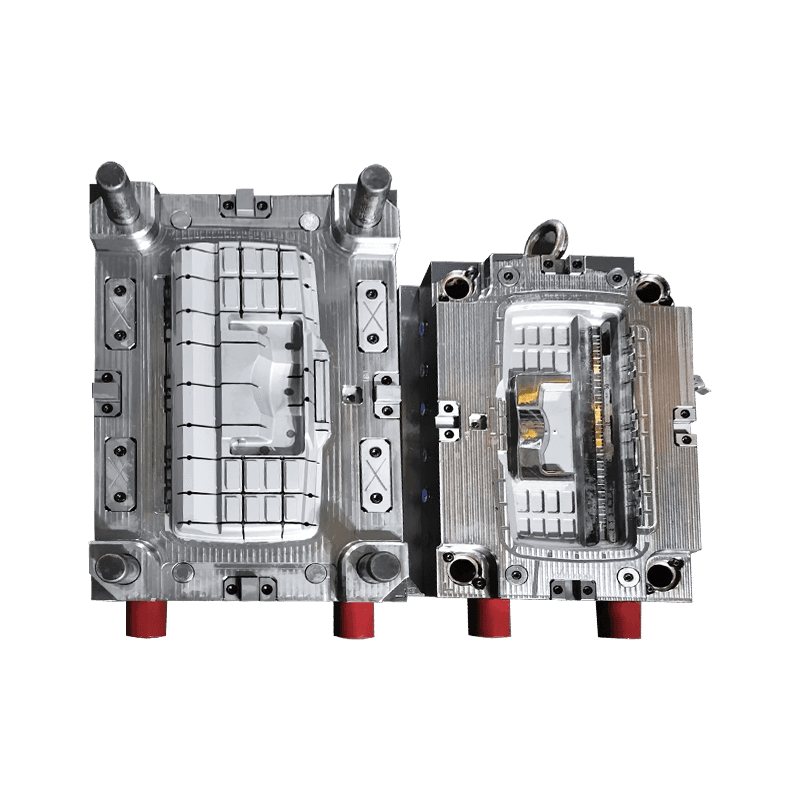
Toolbox molds encompass a variety of types designed to produce different styles and sizes of toolbox...
See Details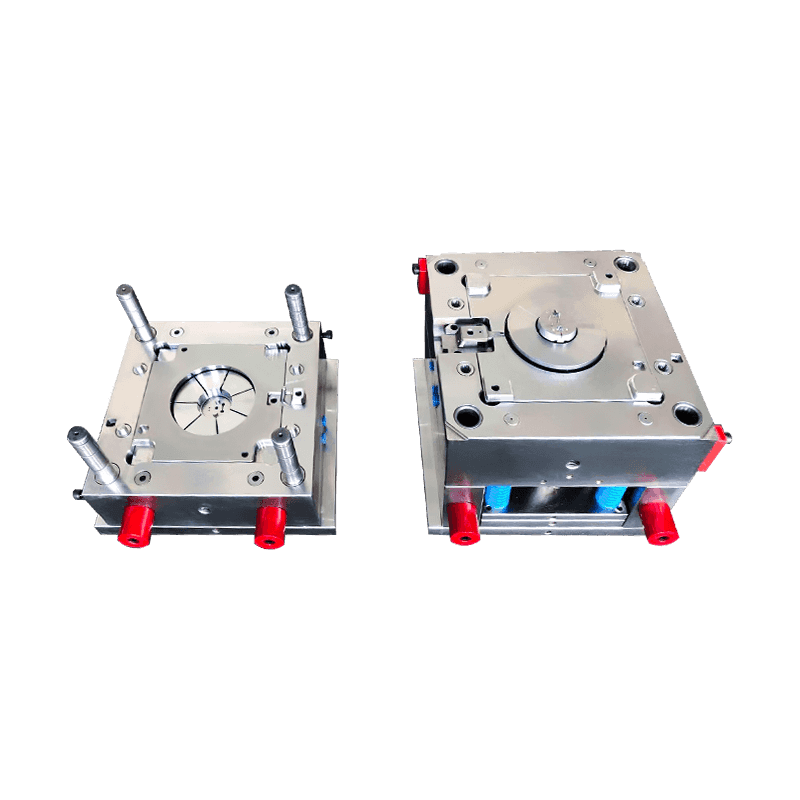
Ventilation fan molds are essential tools used in the manufacturing of ventilation fans, which play ...
See Details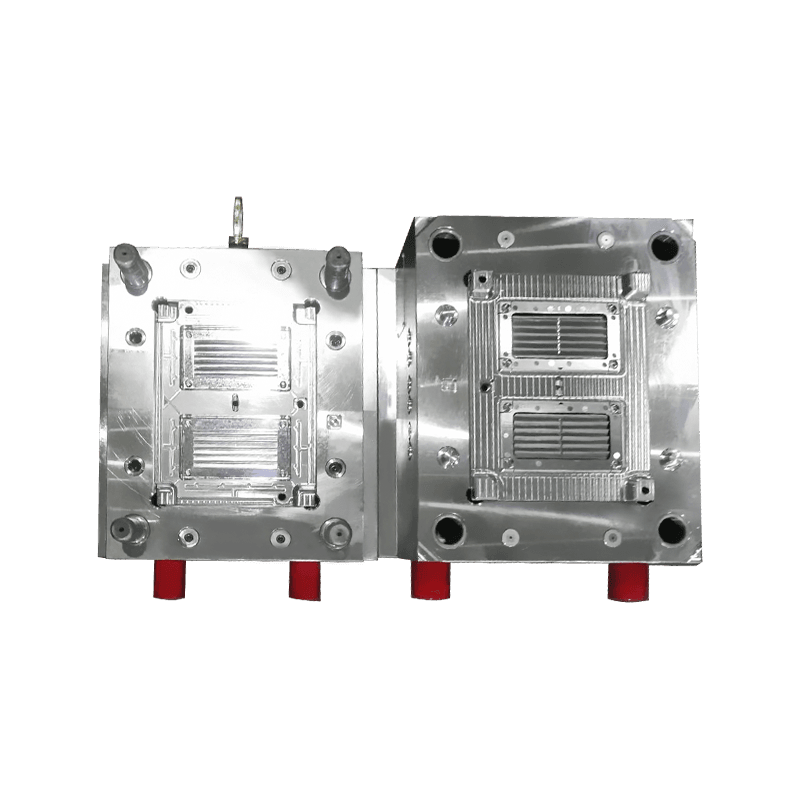
Ventilation grille molds are specialized molds used for manufacturing ventilation grilles. These mol...
See Details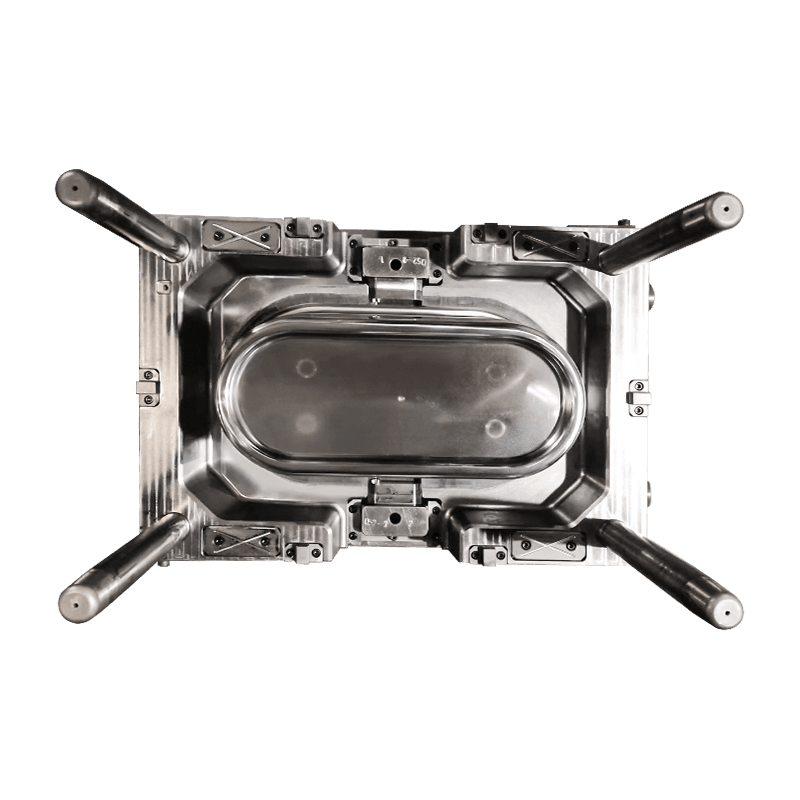
Basin molds are key tools used to produce basins or sinks, which can be of various types and sizes f...
See Details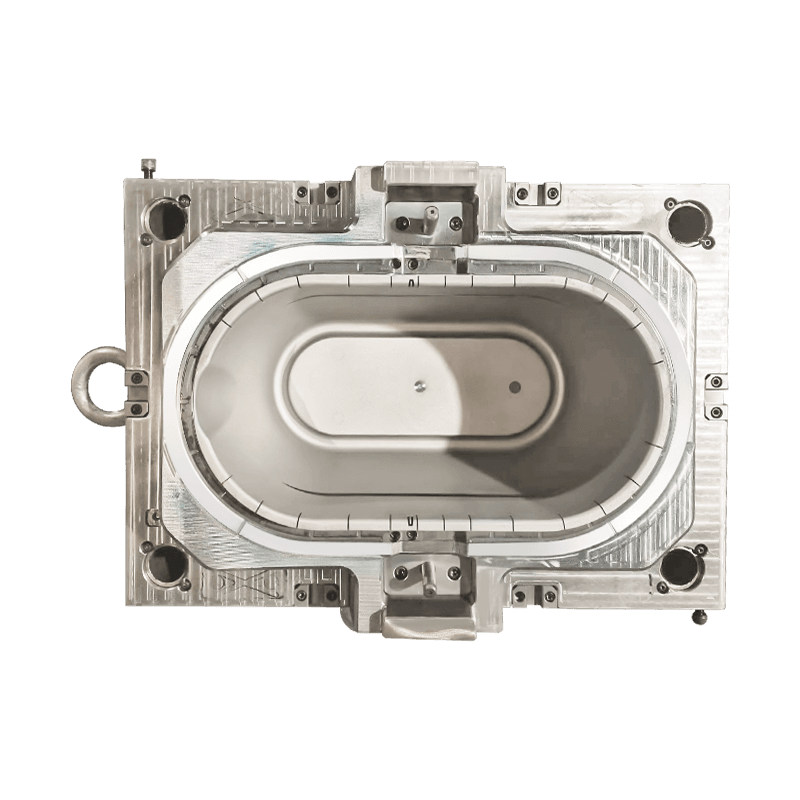
The manufacturing process of water bucket molds involves several distinctive features. From the pers...
See Details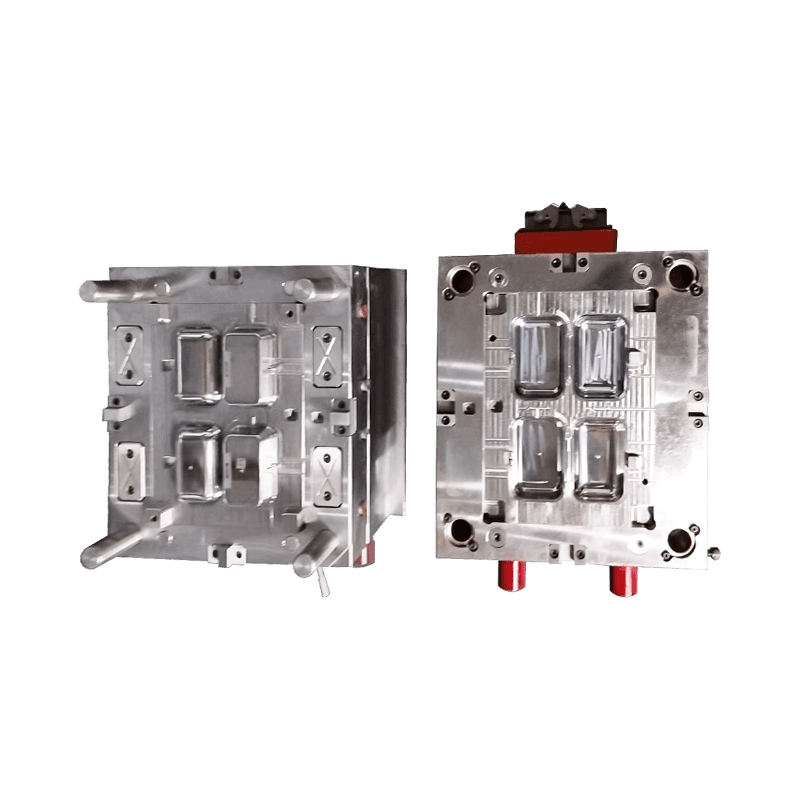
The soapbox mold is a key tool used to produce soap boxes. The shape and structure of the soap box a...
See Details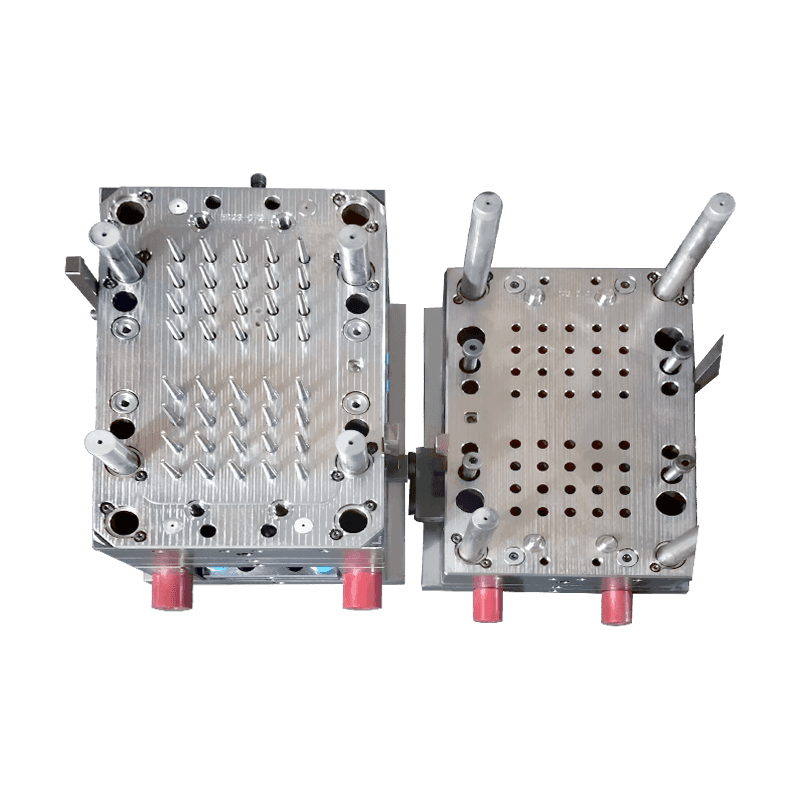
Production Capabilities and Quality Testing Standards for Medical Test Tube Mold Factories:A medical...
See Details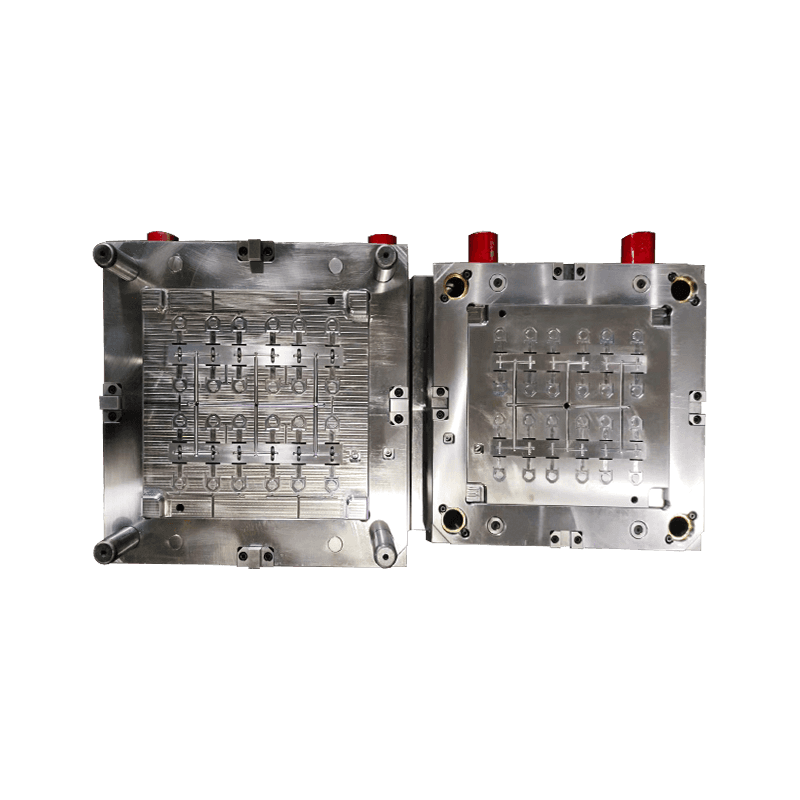
Tile spacer molds are essential tools used in the manufacturing of tile spacers, which are small, pl...
See Details+86-13616882963

We are committed to providing customers with high-quality, precision mold solutions.
Copyright © Taizhou Yiwei Mold Co., Ltd. All Rights Reserved.

Contact Us