

 English
 中文简体
中文简体 русский
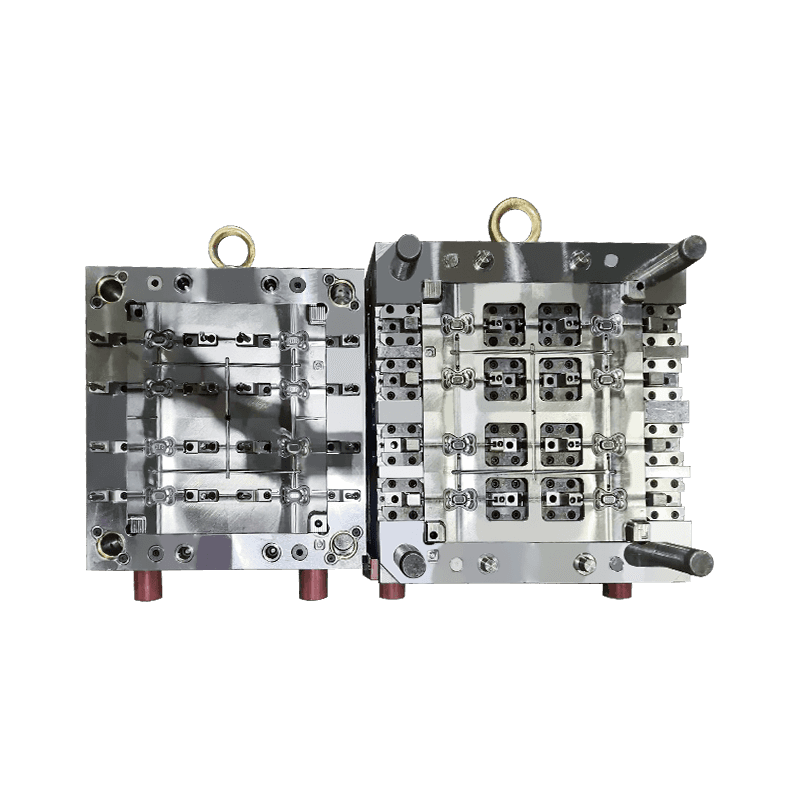
We are committed to providing customers with high-quality, precision mold solutions.
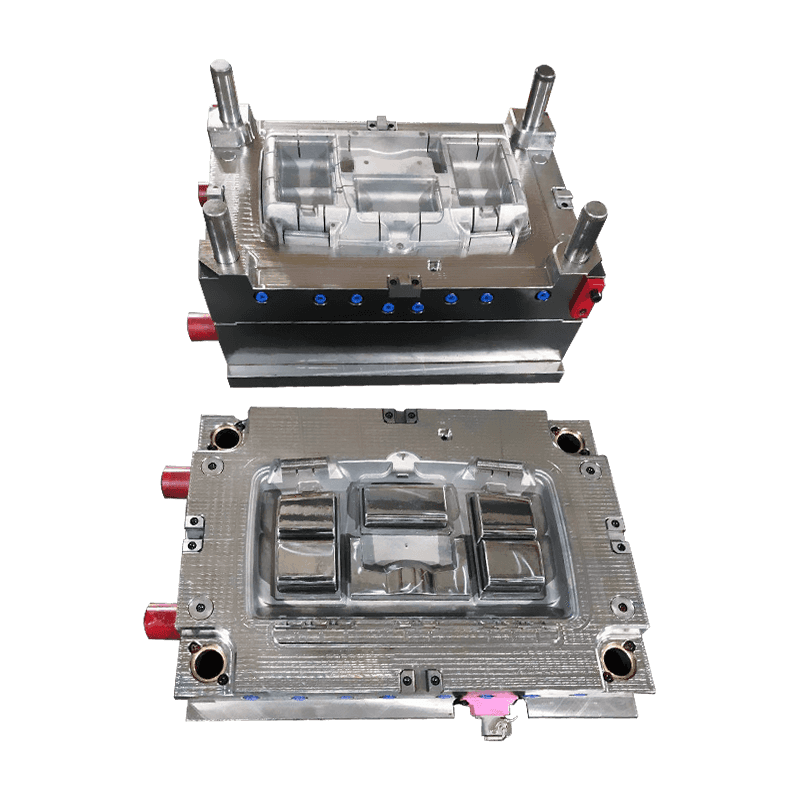
Toolbox Molds
Cat:Toolbox And Accessories Mold
Toolbox molds encompass a variety of types designed to produce different styles and sizes of toolbox...
See Details
Environmental protection is one of the visible public concerns affecting plastic products and, by extension, the molds used to produce them. Consumers and regulators are paying closer attention to how plastic products are made, what materials are used, and whether they can be recycled or reused.
From a mold design perspective, environmental considerations influence several aspects. Molds must be compatible with recyclable and bio-based plastics, such as polypropylene (PP), polyethylene (PE), and emerging biodegradable materials. These materials can have different flow characteristics and cooling requirements compared with traditional plastics, requiring more precise mold engineering.
Second, mold durability has become an environmental issue. High-quality molds with longer service lives reduce the need for frequent replacement, which in turn lowers material waste and energy consumption over time. As a result, mold makers increasingly focus on optimized steel selection, surface treatments, and maintenance-friendly designs.
Safety is a core public concern, especially for molds used to produce items that come into contact with food, water, or skin. Consumers want assurance that everyday plastic products do not pose health risks, and this expectation directly affects mold manufacturing standards.
Key safety-related considerations include:
Material compatibility: Molds must be designed for plastics that meet food-contact and consumer safety regulations, such as FDA or EU standards.
Surface finish quality: Smooth, well-polished mold cavities help prevent residue buildup and reduce the risk of bacterial growth on finished products.
Process stability: Consistent molding conditions minimize defects such as burning, contamination, or uneven thickness that could compromise product safety.
Safety depends on the combined performance of the mold, raw materials, and production process. While the mold itself does not directly touch consumers, its precision and condition play a critical role in ensuring that finished products meet safety expectations.
Cost is a long-standing public concern because it ultimately affects the price of daily necessities. Manufacturers are under pressure to control production costs while maintaining acceptable quality levels. Mold design is central to balancing these competing demands.
Efficiency-focused mold solutions often address the following questions:
Modern plastic daily necessities molds frequently incorporate modular designs and standardized parts. These approaches help manufacturers reduce upfront investment and ongoing maintenance expenses. At the same time, advances in CNC machining and simulation software allow for better mold accuracy without significantly increasing costs.
From a public perspective, efficient molds contribute to stable supply, reasonable product pricing, and consistent quality, which are all important for everyday consumer goods.
Quality remains a fundamental concern for consumers, particularly as daily necessities are expected to be durable, functional, and visually acceptable. Mold innovation is closely tied to meeting these quality expectations.
High-quality plastic products depend on molds that can deliver consistent dimensions, reliable structural strength, and uniform appearance. To achieve this, mold manufacturers increasingly focus on precise cavity machining, balanced runner systems, and advanced venting designs. These features help reduce common defects such as warping, sink marks, and uneven surfaces.
Another quality-related issue is adaptability. Daily necessities often undergo frequent design updates to reflect new consumer preferences or functional improvements. Molds that allow for insert changes or minor modifications without full replacement are highly valued. This flexibility supports faster product updates while maintaining stable production quality.
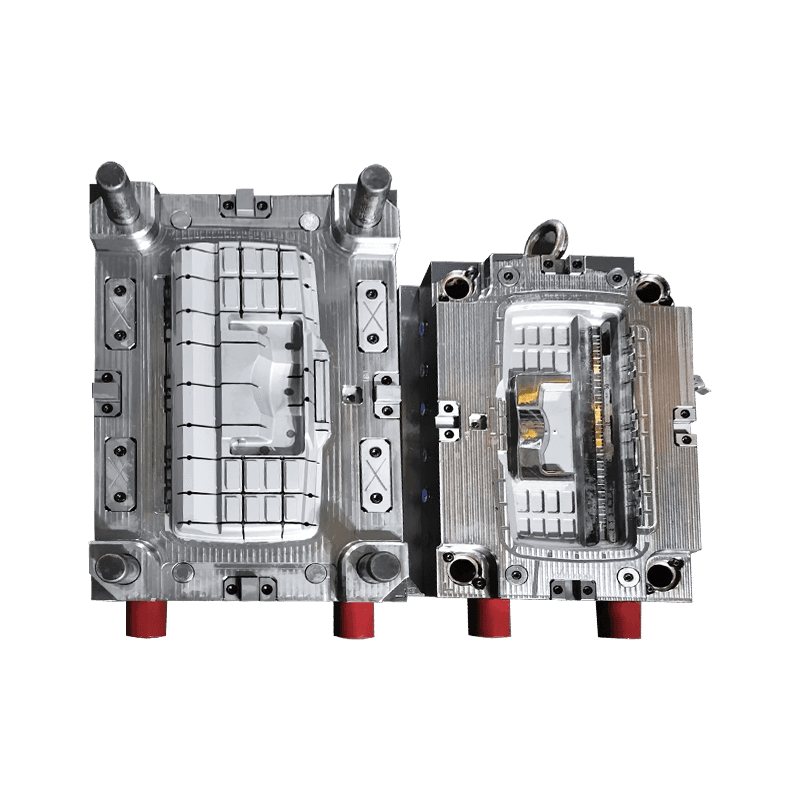
Toolbox molds encompass a variety of types designed to produce different styles and sizes of toolbox...
See Details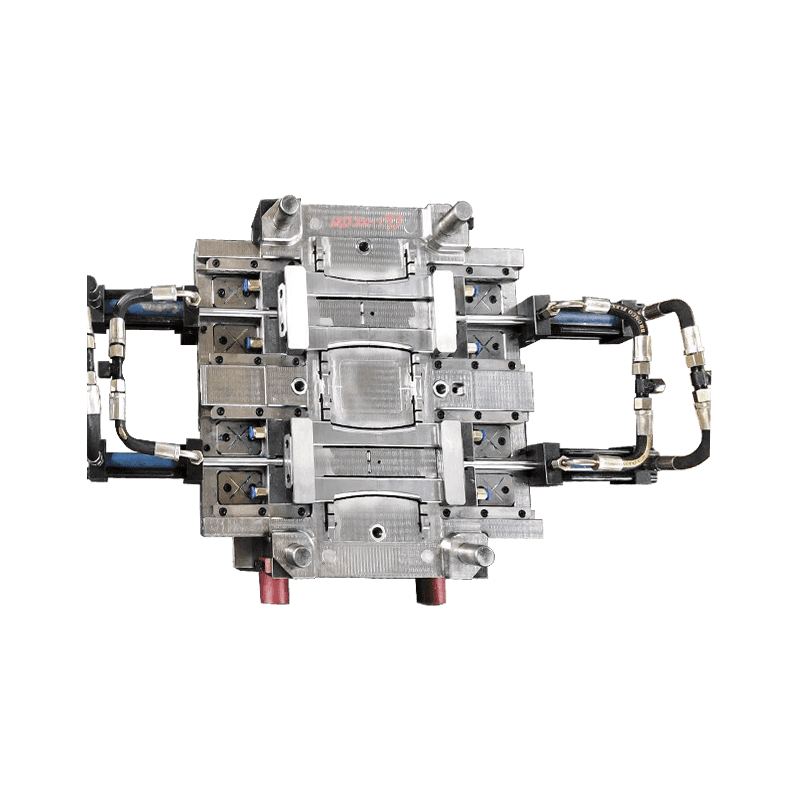
The handle of a toolbox is a critical component that directly impacts the overall functionality, usa...
See Details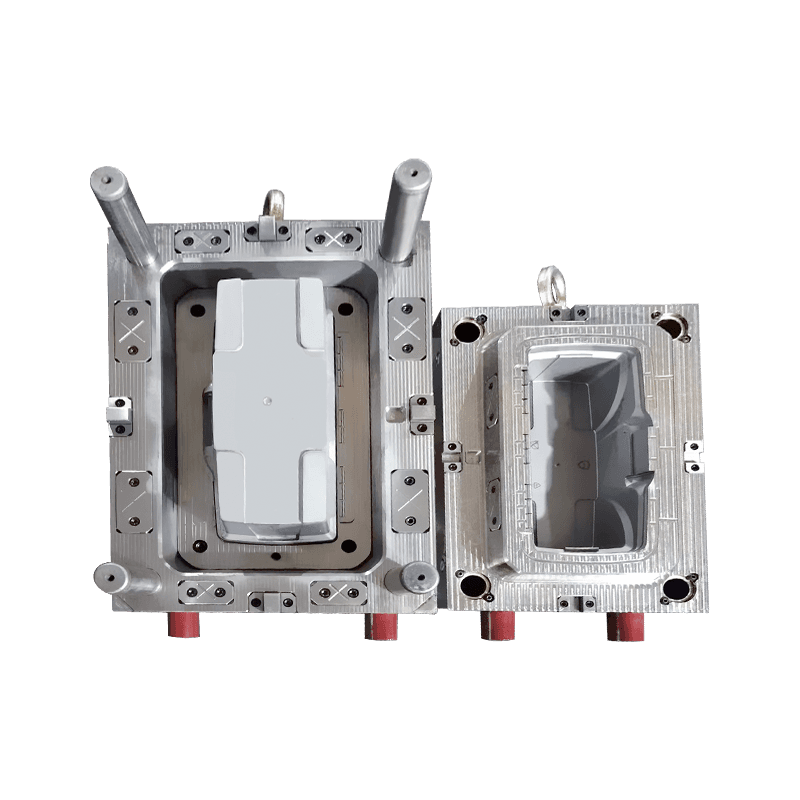
Toolbox shell molds play a pivotal role in the production of the outer casing or shell of toolboxes....
See Details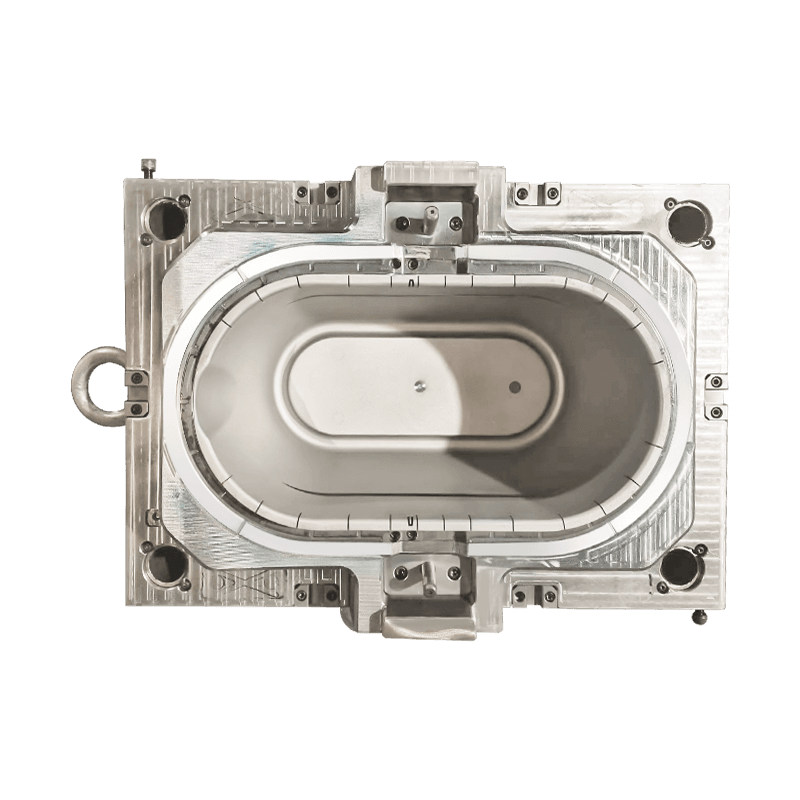
The manufacturing process of water bucket molds involves several distinctive features. From the pers...
See Details
The production of fruit basket molds and the resulting fruit basket products can indeed be designed ...
See Details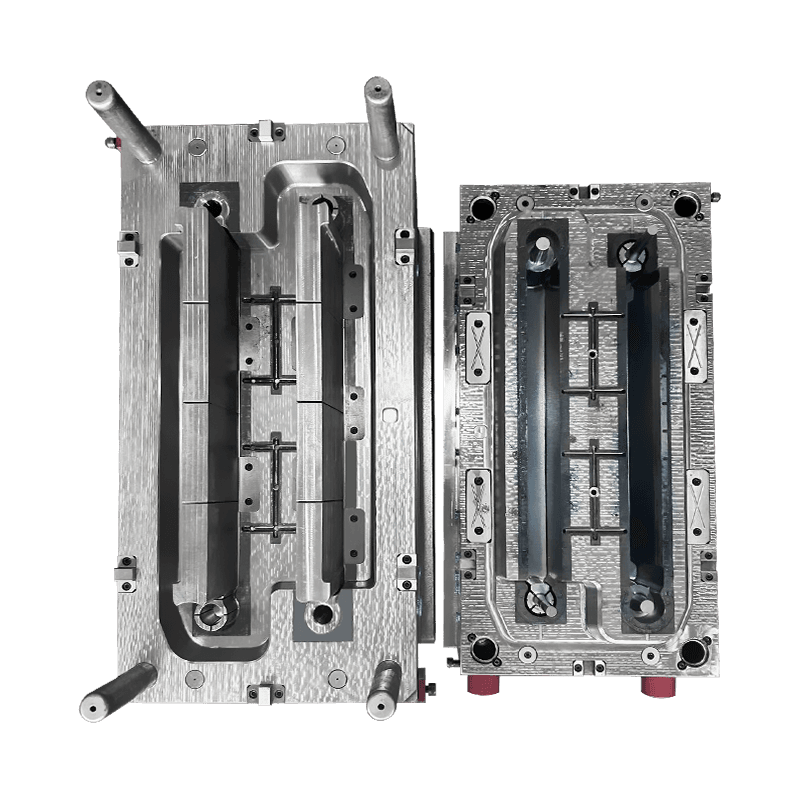
Garden fence mold products are special molds used to manufacture garden fences of various shapes and...
See Details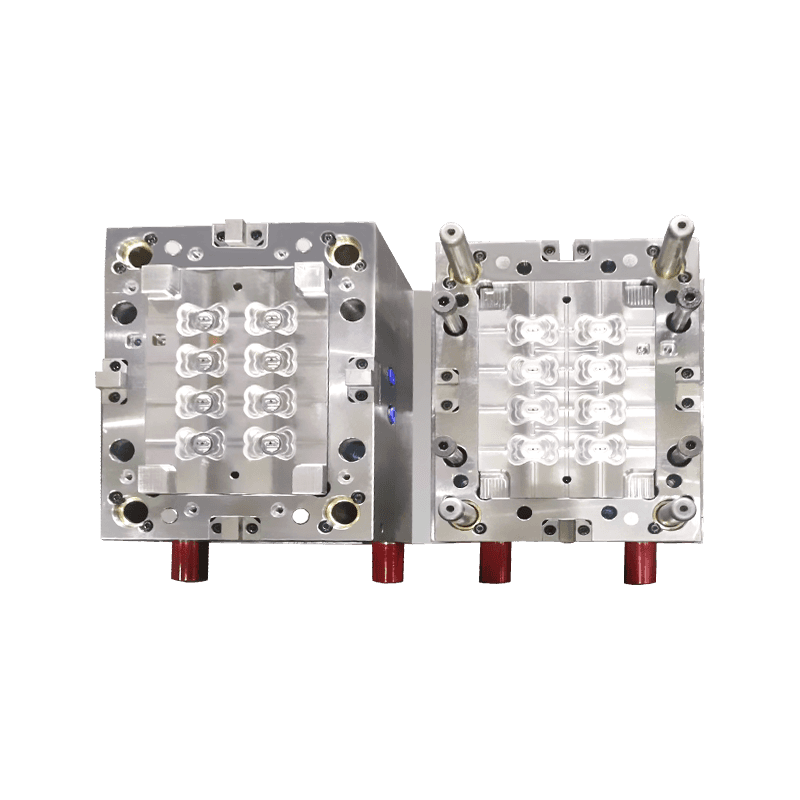
Pacifier molds are essential tools used in the manufacturing of pacifiers, also known as soothers or...
See Details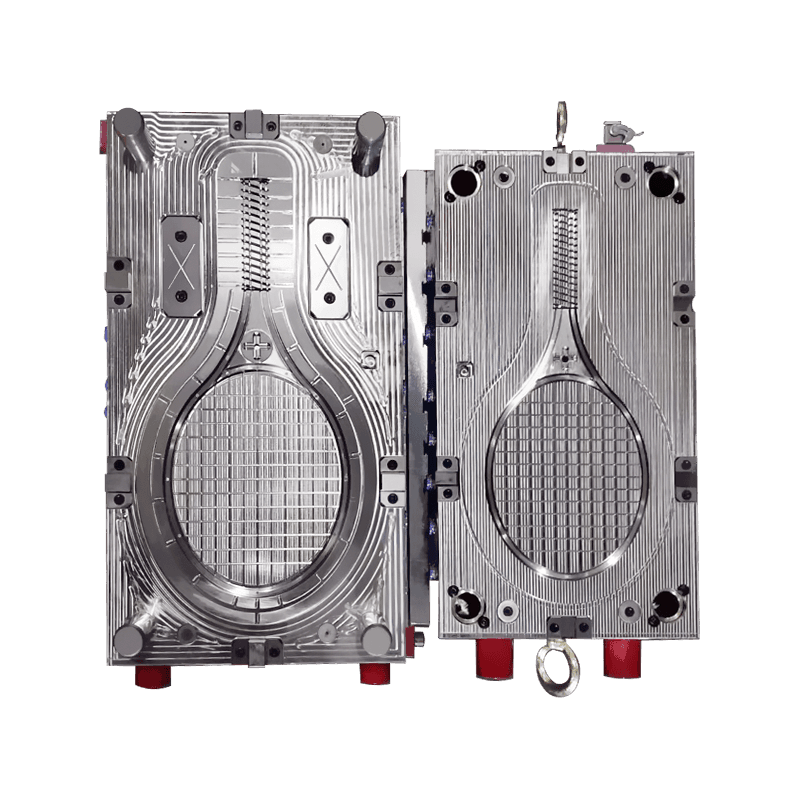
Toy racket mold is a key tool specially used to manufacture toy rackets. These molds precisely shape...
See Details+86-13616882963

We are committed to providing customers with high-quality, precision mold solutions.
Copyright © Taizhou Yiwei Mold Co., Ltd. All Rights Reserved.

Contact Us