

 English
 中文简体
中文简体 русский
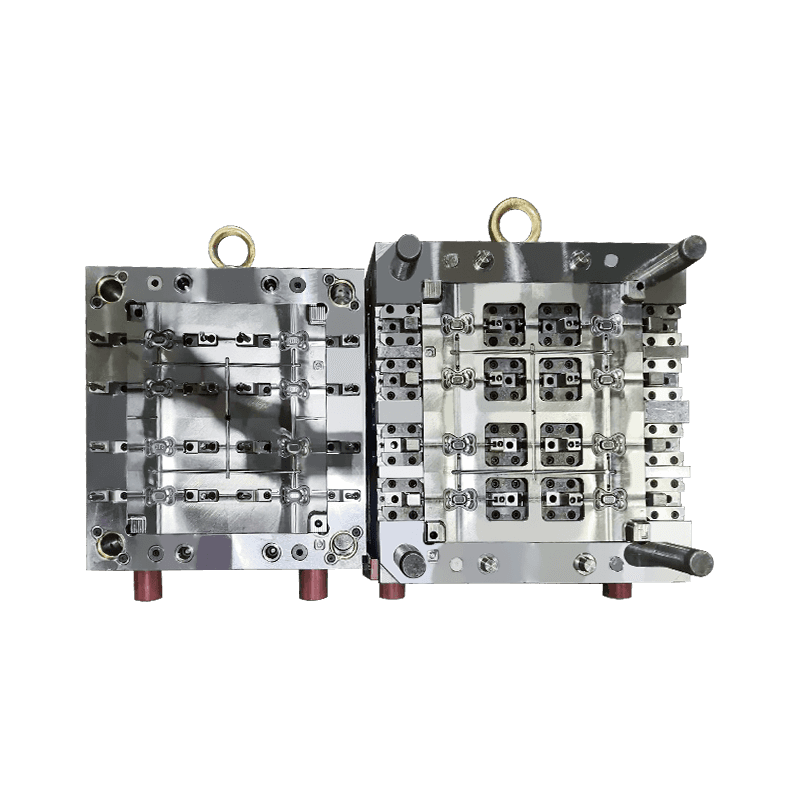
We are committed to providing customers with high-quality, precision mold solutions.
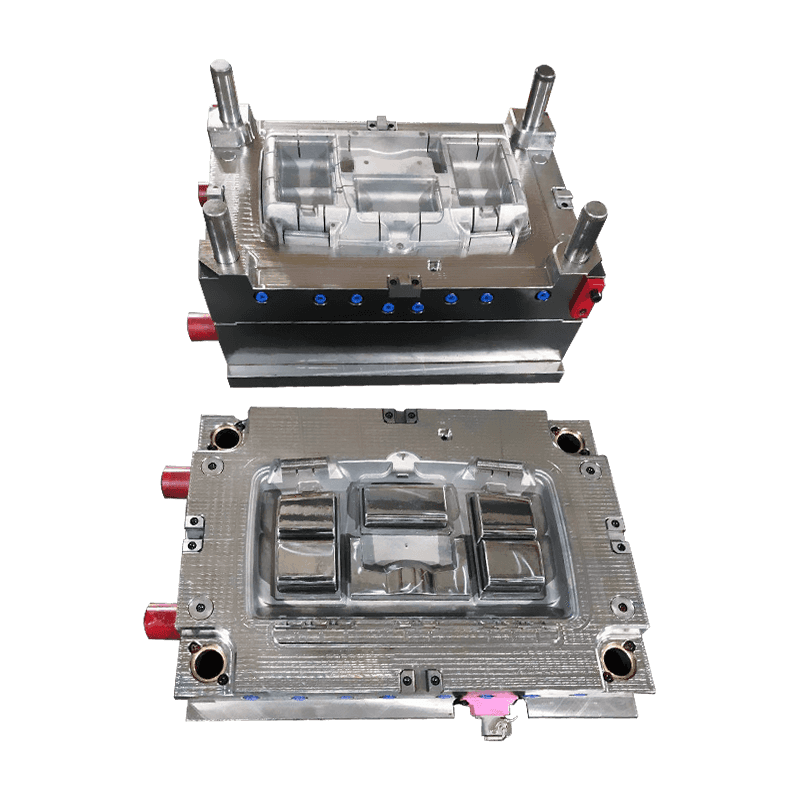
Toolbox Molds
Cat:Toolbox And Accessories Mold
Toolbox molds encompass a variety of types designed to produce different styles and sizes of toolbox...
See Details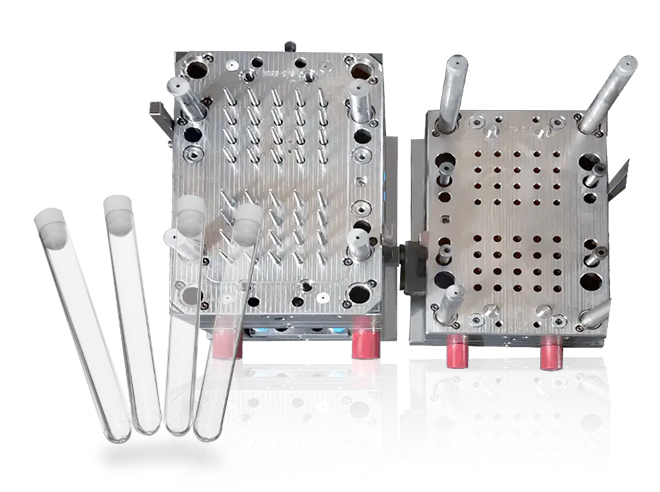
Role in Medical Device Manufacturing
From a manufacturing perspective, a medical injection mold is a core tool used to produce plastic components for medical devices through the injection molding process. Thermoplastic materials are heated until they reach a molten state and are then injected into a precisely machined mold cavity. The mold defines the shape, dimensions, and surface features of the final component. Medical injection molds are used to form items such as syringes, connectors, housings, and disposable device parts. The mold must support stable production conditions to ensure that each molded part meets predefined specifications. In medical manufacturing, consistency is essential because components often need to fit with other parts or devices. The injection mold provides a controlled environment that allows repeated production of parts with uniform geometry and predictable performance characteristics.
Materials and Structural Design
From a structural and material perspective, medical injection molds are typically manufactured from hardened tool steel or stainless steel. These materials are selected for their ability to withstand repeated injection cycles, high pressures, and temperature variations. The internal design of the mold includes cavities, cores, runners, and cooling channels. Each of these elements contributes to forming the plastic part and managing the flow and cooling of molten material. Cooling channels are particularly important, as they help regulate temperature and reduce cycle time. The surface finish of the mold cavity also affects the final product, influencing smoothness, transparency, or texture. In medical applications, mold design often aims to reduce defects such as flash, sink marks, or uneven wall thickness, as these issues can affect both function and appearance.
Precision and Quality Control Requirements
From a quality perspective, medical injection molds are developed with strict dimensional and process control in mind. Medical components often have small tolerances, especially when used in fluid handling or mechanical assemblies. The mold must maintain accurate dimensions over long production runs to prevent variation between parts. Quality control measures are typically integrated into both the mold design and the production process. These may include precise alignment systems, venting structures to release trapped air, and gating designs that promote even material flow. Regular inspection and maintenance of the mold are also part of quality management. Wear on mold surfaces can affect part dimensions or surface quality, so monitoring and servicing are required to maintain consistent output. These controls help support compliance with medical manufacturing standards.
Regulatory and Application Considerations
From a regulatory and application perspective, medical injection molds are designed to support compliance with healthcare industry requirements. Medical devices and components are subject to regulations related to safety, hygiene, and traceability. The mold design must allow the use of medical-grade plastics that are suitable for contact with biological tissues or fluids. In many cases, the molded parts are intended for single use and must be produced in large volumes under controlled conditions. Molds may be designed for cleanroom manufacturing environments, where contamination control is important. Features such as smooth surfaces and minimized crevices help reduce the risk of particle accumulation. Additionally, medical injection molds must support consistent documentation and validation, ensuring that each production batch can be traced and evaluated if necessary.
Medical injection molds can be understood from multiple perspectives, including their role in manufacturing, structural design, quality control, and regulatory context. Each perspective reflects practical considerations grounded in basic production and medical industry requirements. By enabling consistent, precise, and regulated production of plastic medical components, medical injection molds serve as an essential element in modern healthcare manufacturing systems.
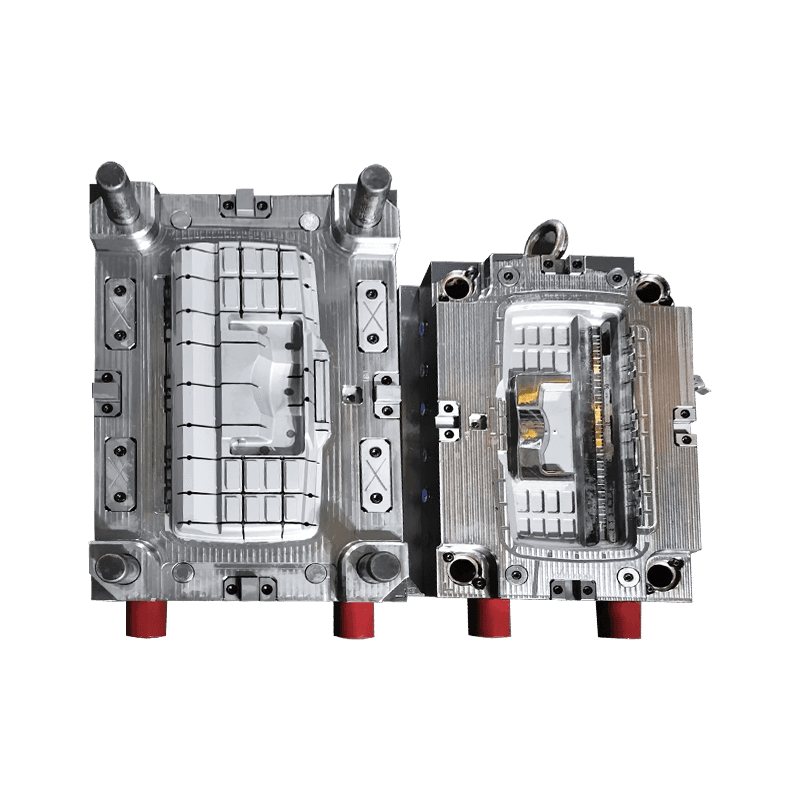
Toolbox molds encompass a variety of types designed to produce different styles and sizes of toolbox...
See Details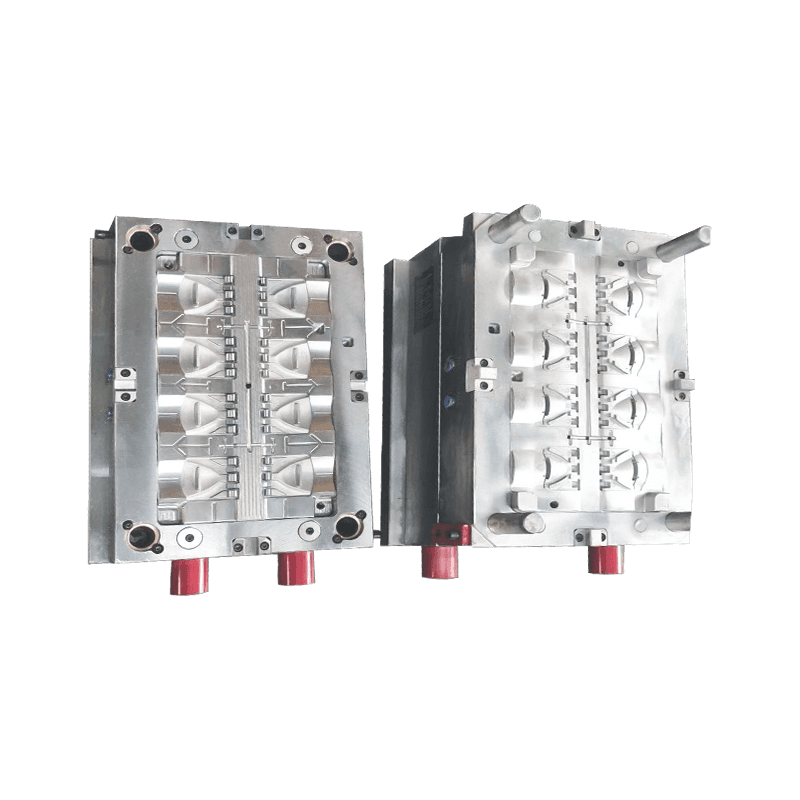
Toolbox latch molds are crucial components in the manufacturing process of toolboxes, providing secu...
See Details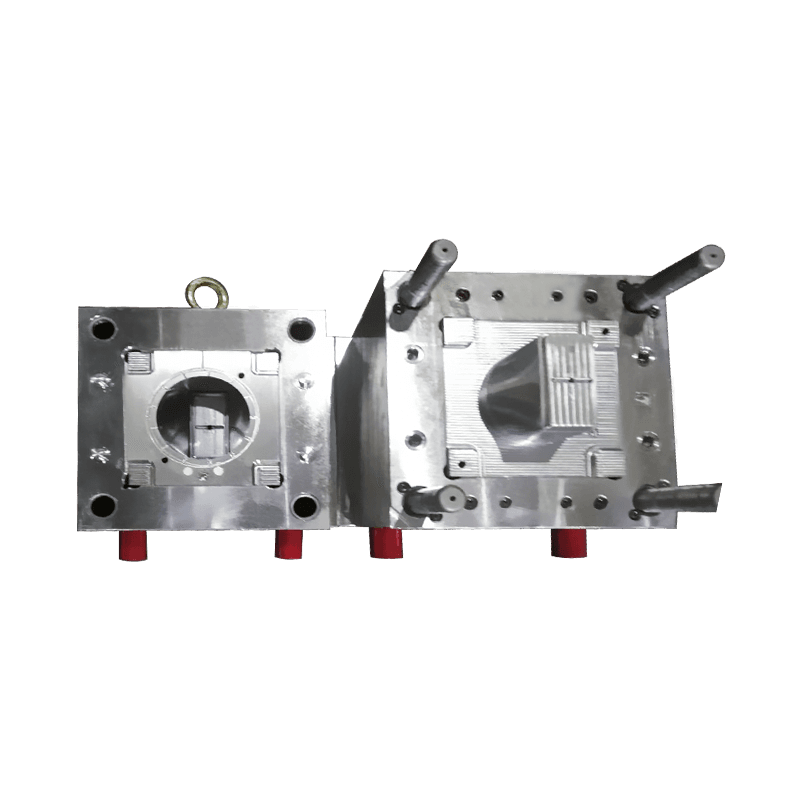
The mold for a ventilation duct interface is a critical component in the production of ventilation s...
See Details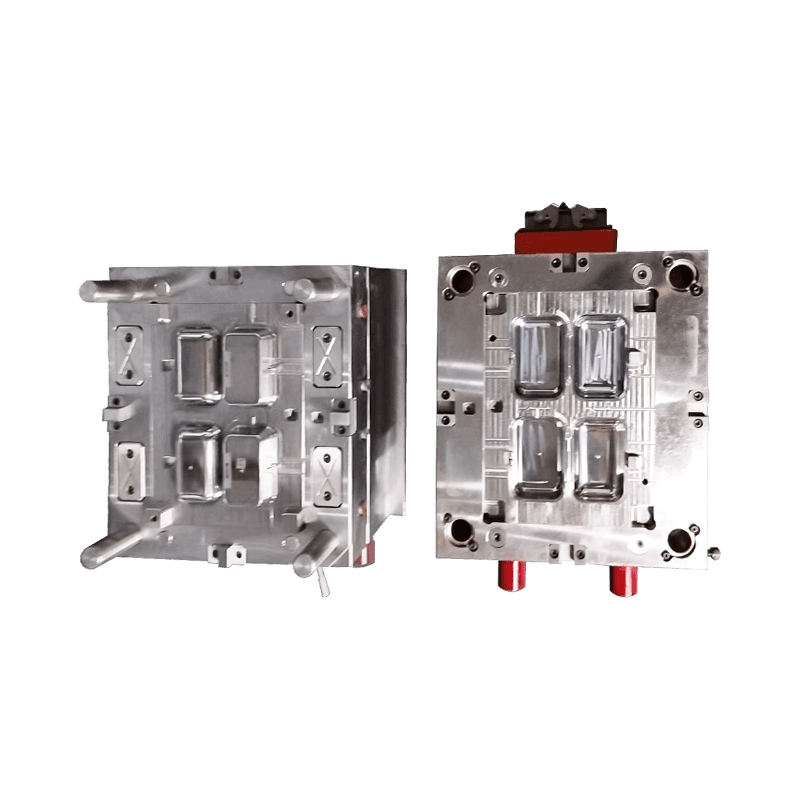
The soapbox mold is a key tool used to produce soap boxes. The shape and structure of the soap box a...
See Details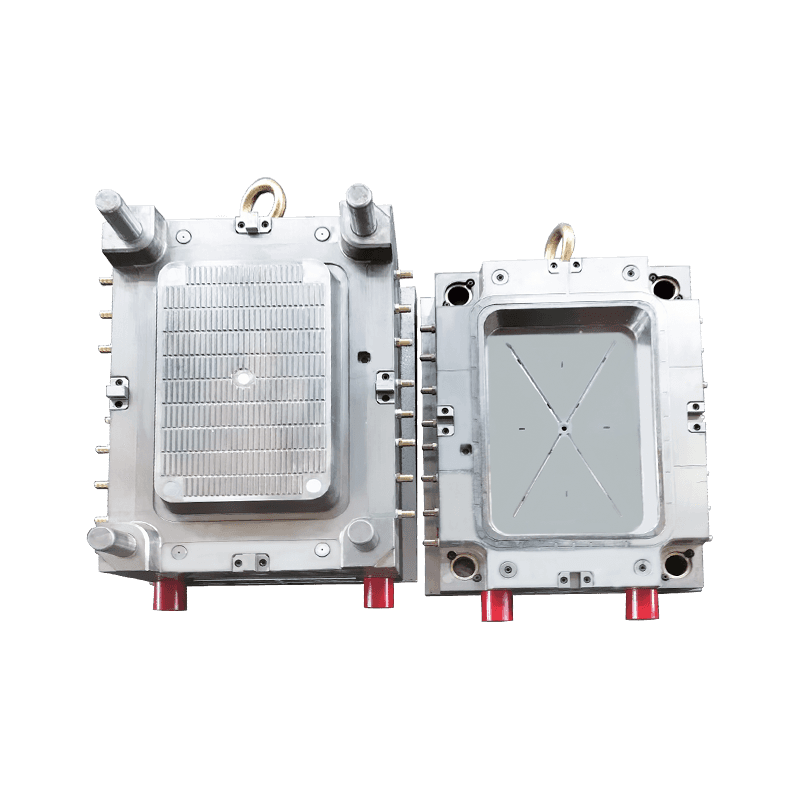
The design of the fruit and vegetable washing basket mold is crucial in balancing practicality and a...
See Details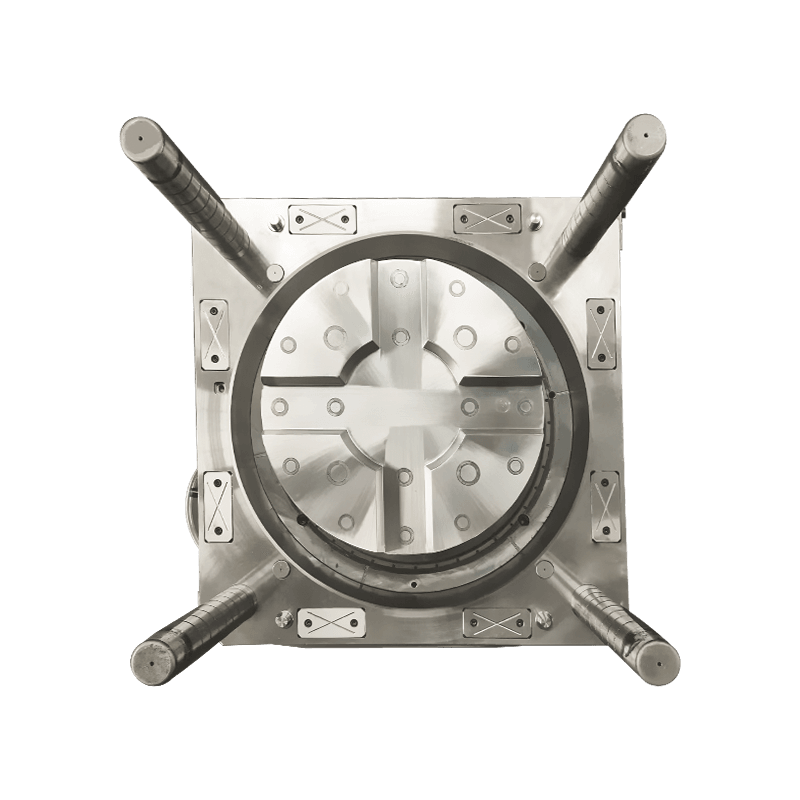
Flower pot molds are special molds used to manufacture flower pots of various shapes and styles. The...
See Details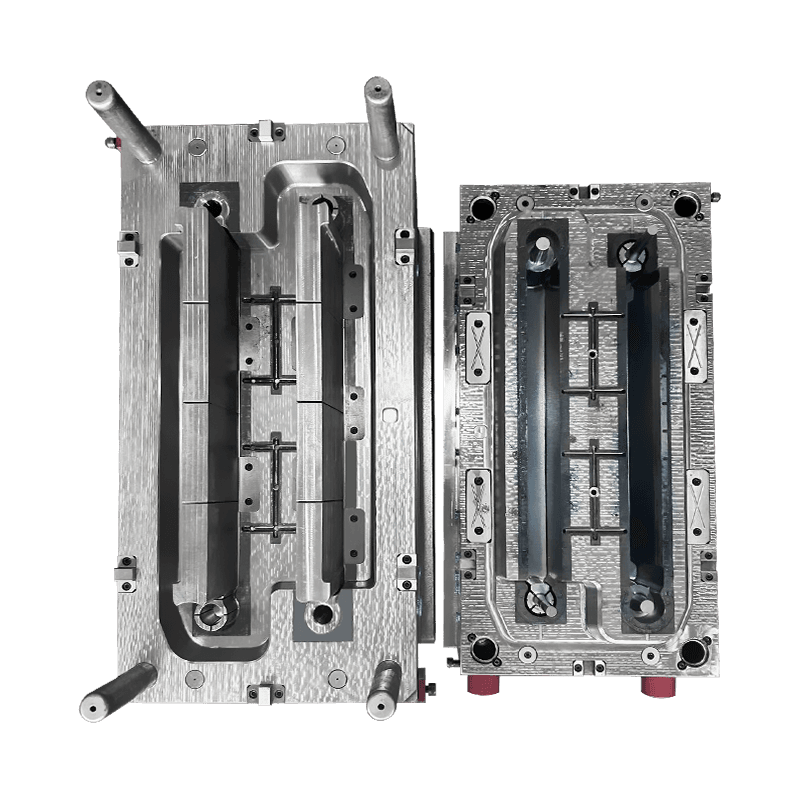
Garden fence mold products are special molds used to manufacture garden fences of various shapes and...
See Details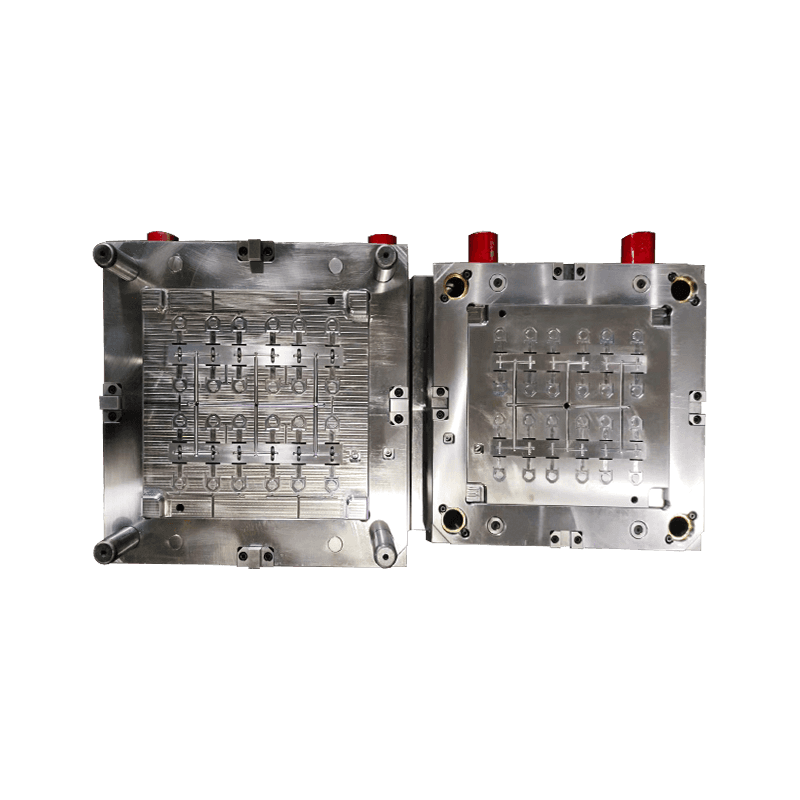
Tile spacer molds are essential tools used in the manufacturing of tile spacers, which are small, pl...
See Details+86-13616882963

We are committed to providing customers with high-quality, precision mold solutions.
Copyright © Taizhou Yiwei Mold Co., Ltd. All Rights Reserved.

Contact Us