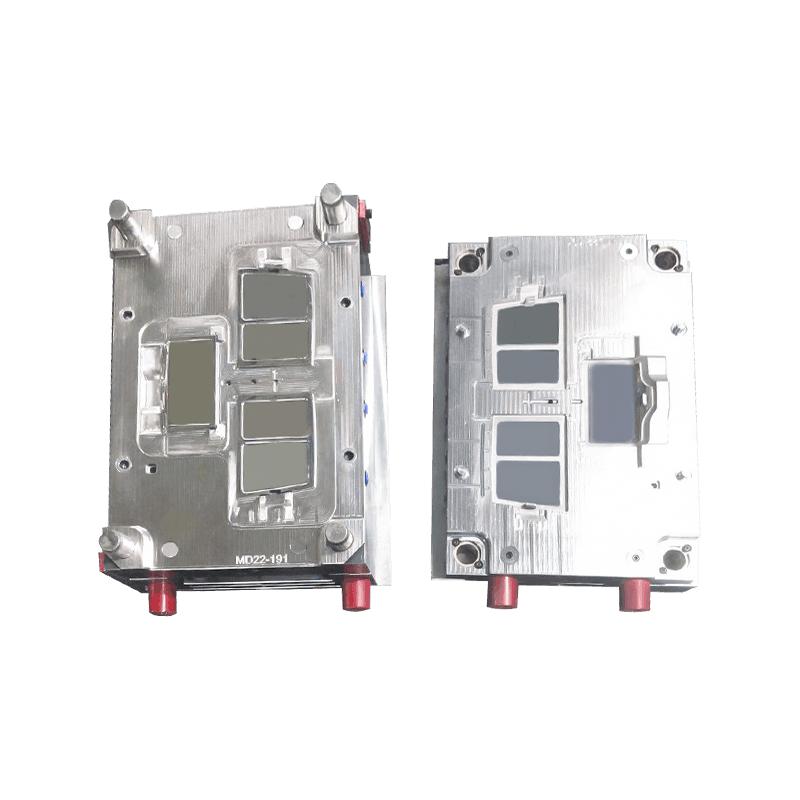
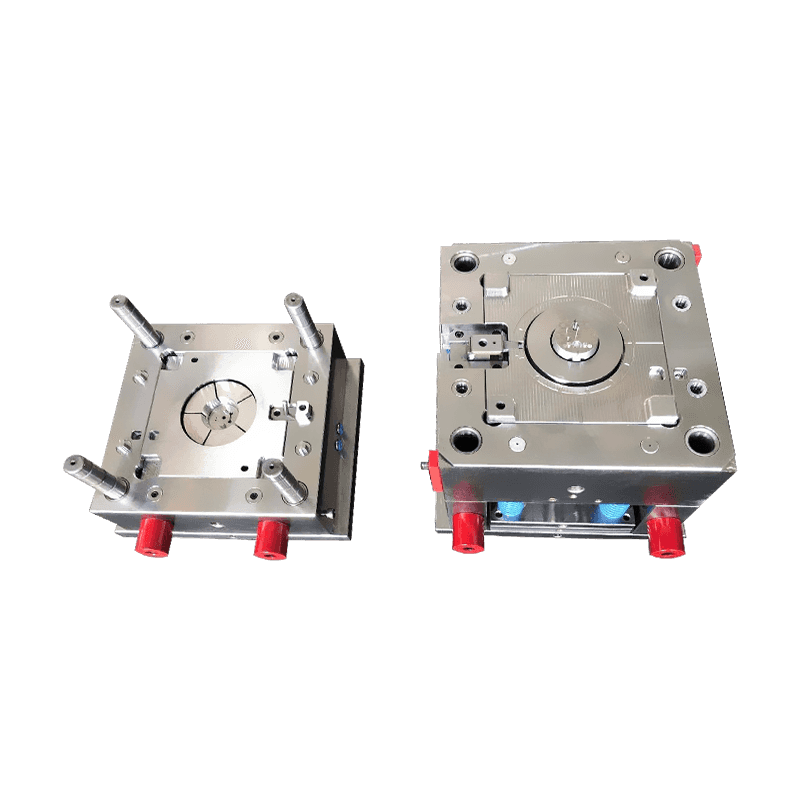
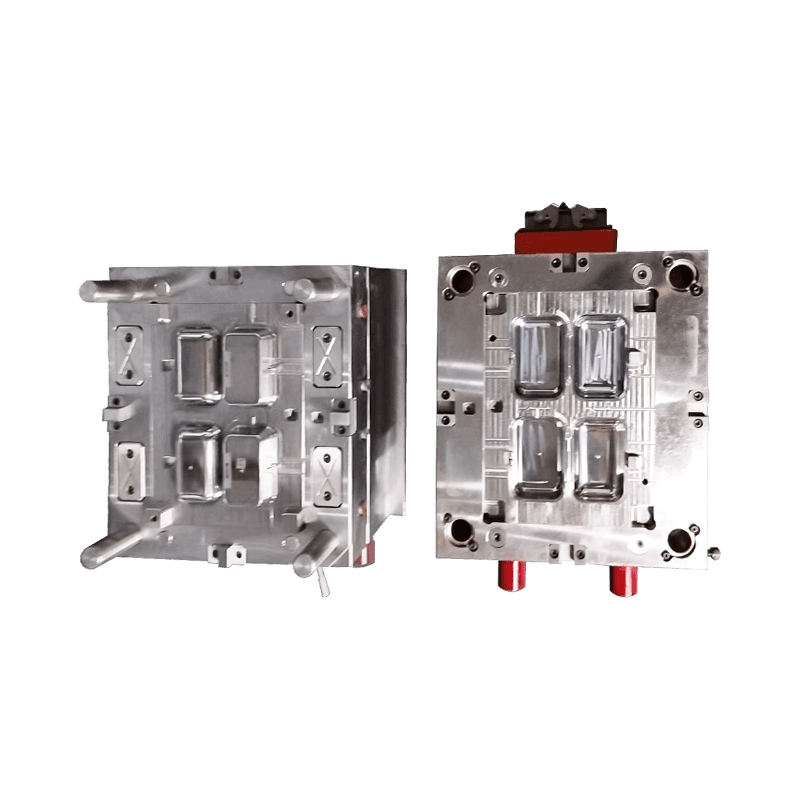
A plastic daily necessities mold is a device designed to form plastic materials into specific shapes for consumer products.

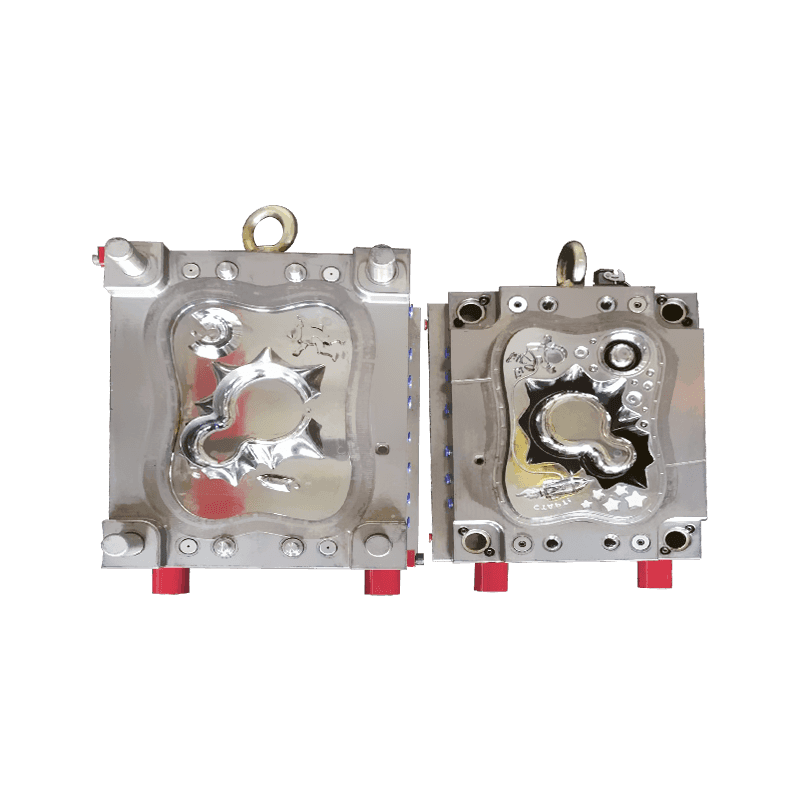
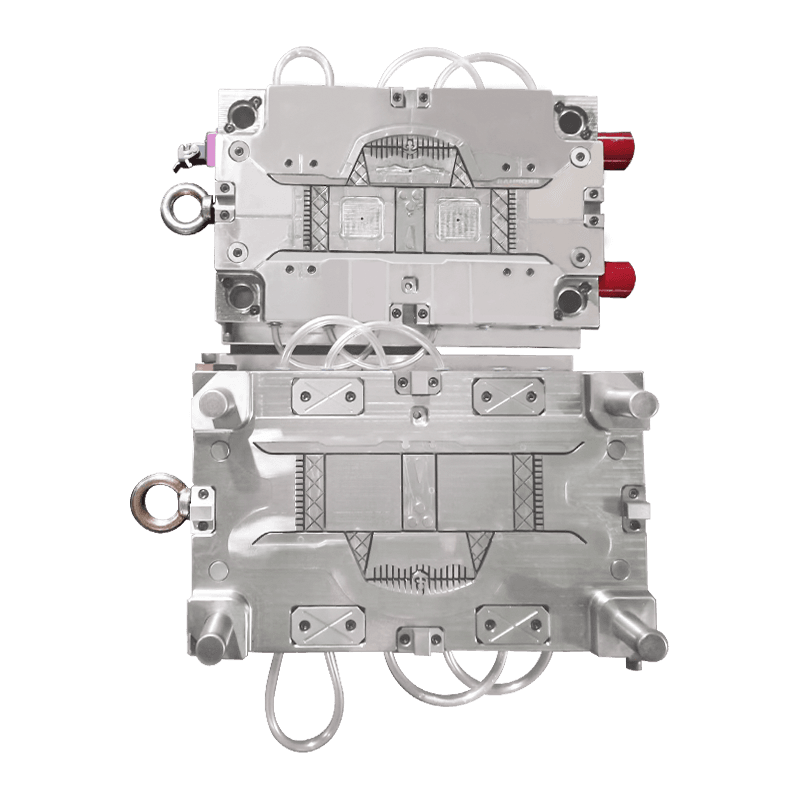
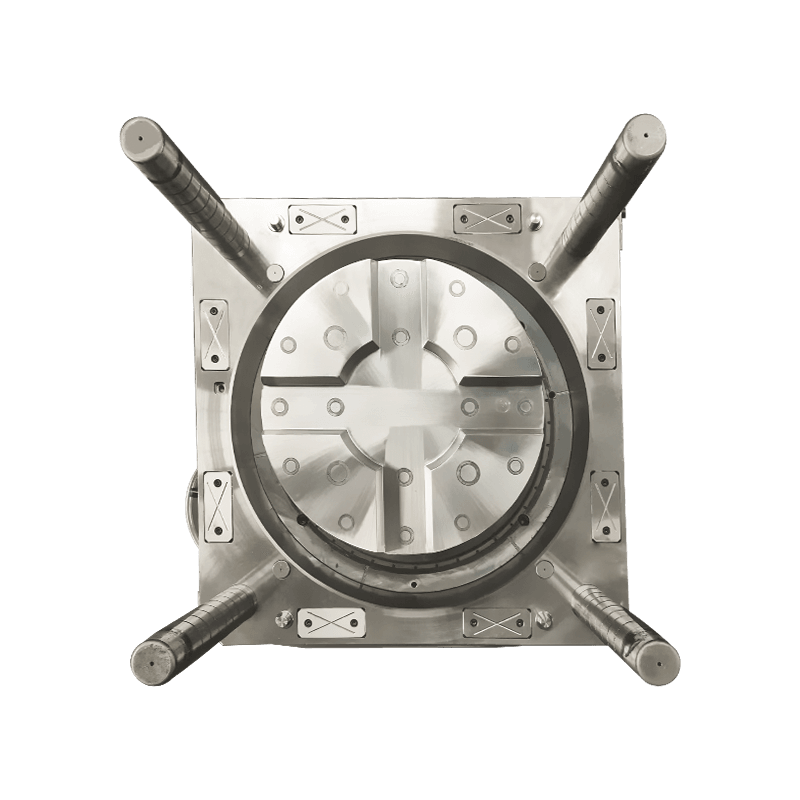
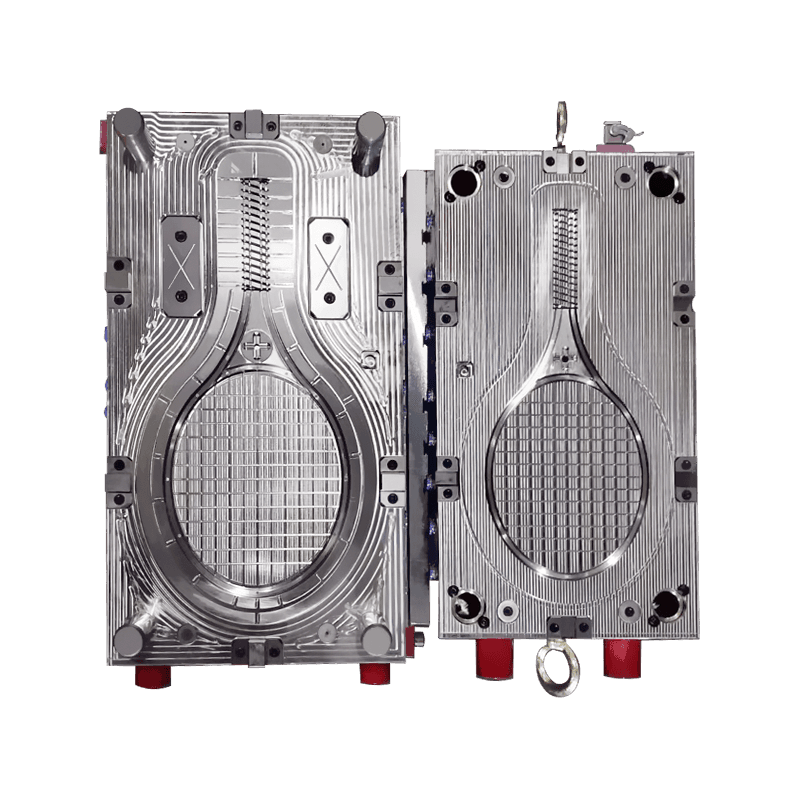
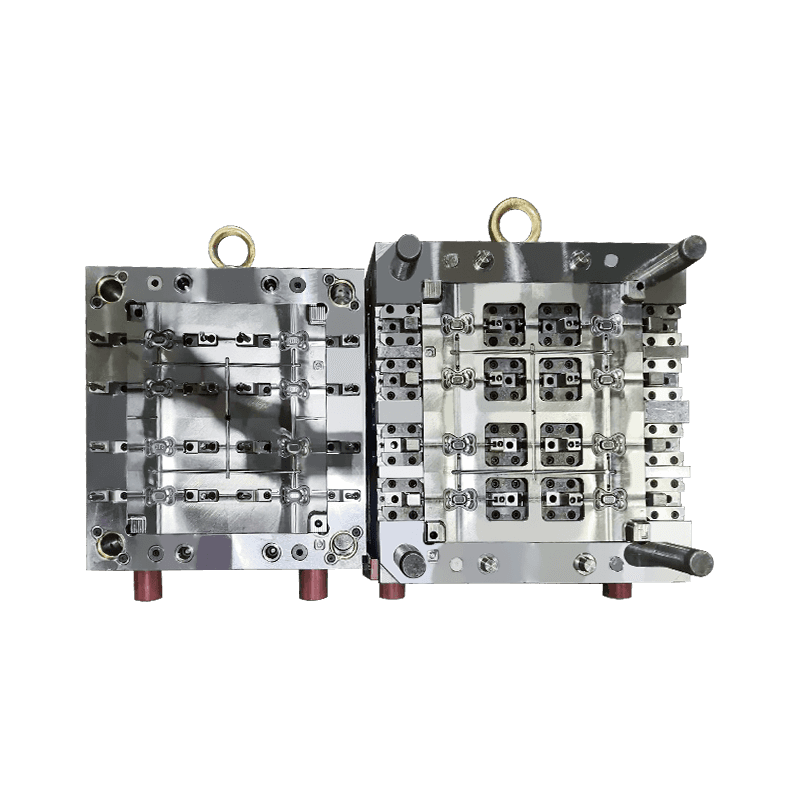
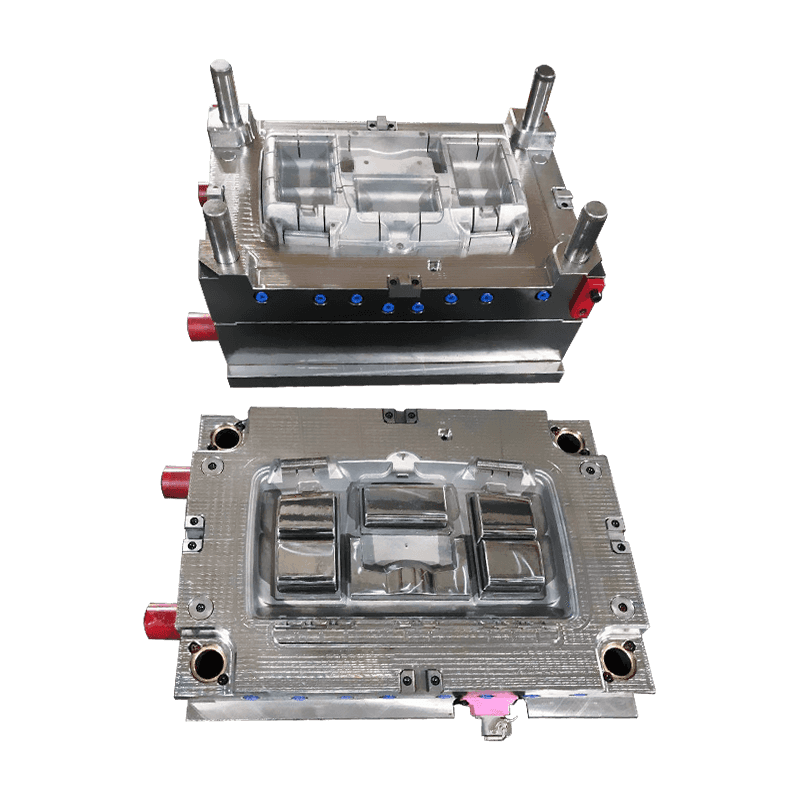
Structure: These molds are typically made from steel or aluminum, chosen for durability and heat resistance. The mold contains cavities shaped according to the final product, along with components such as runners, gates, ejector pins, and cooling channels. The mold may be single-cavity or multi-cavity depending on the production volume and product design.
Function: The mold shapes molten plastic into the desired product when used in injection molding or blow molding processes. After the plastic cools, the mold releases the finished item, ready for packaging or further processing.
Applications: Plastic daily necessities molds are widely used to manufacture items such as containers, combs, trays, soap dishes, and toothbrush holders. These molds allow mass production while maintaining consistent product quality and uniformity.
How Do Plastic Daily Necessities Molds Work?
The operation of these molds involves precise coordination between the molding machine and the mold itself.
Injection Process: Molten plastic is injected into the mold cavity under controlled pressure and temperature. The cavity determines the shape of the finished product.
Cooling and Solidification: Cooling channels within the mold help the plastic solidify quickly and evenly. Proper cooling ensures dimensional accuracy and surface quality.
Ejection: Once the plastic is solidified, ejector pins or plates push the product out of the mold. The mold is then ready for the next cycle.
Function: By controlling injection, cooling, and ejection, manufacturers can produce high-quality plastic daily necessities efficiently and with consistent specifications.
What Are the Types of Plastic Daily Necessities Molds?
Plastic daily necessities molds come in various types based on production requirements and product design.
Single-Cavity Molds: These molds produce one item per cycle and are suitable for specialized or low-volume products. They are easier to maintain and allow detailed control over part quality.
Multi-Cavity Molds: Designed to produce several identical items in a single cycle, these molds increase production efficiency and are suitable for high-volume products like storage containers or combs.
Hot Runner Molds: These molds use a heated runner system to keep plastic molten while directing it to multiple cavities. Hot runner molds reduce material waste and improve cycle times for mass production.
Custom or Family Molds: Family molds allow the production of different components or complementary items in one cycle, such as a set of kitchen utensils or bathroom accessories.
Function: Each type of mold balances production speed, cost, and product quality to meet specific manufacturing needs.
How Should Plastic Daily Necessities Molds Be Maintained?
Proper maintenance is essential for mold longevity, product quality, and operational safety.
Cleaning: Molds should be cleaned regularly to remove residual plastic, dust, and debris. This prevents defects in finished products and ensures smooth operation.
Lubrication: Moving parts, such as ejector pins or slides, should be lubricated to prevent wear and reduce friction.
Inspection: Regular inspections help identify wear, corrosion, or damage to cavities and components. Early detection allows for timely repairs or replacement.
Temperature Control: Maintaining proper mold temperature prevents warping, incomplete filling, or surface defects in products. Cooling channels and heaters should be monitored and cleaned periodically.
Function: Maintenance ensures consistent product quality, extends mold lifespan, and reduces production downtime.
Plastic daily necessities molds are critical tools in the manufacturing of household items, providing precise shaping and efficient mass production. These molds consist of cavities, cooling channels, runners, and ejection systems, and they function by shaping molten plastic into the desired products. Different types, such as single-cavity, multi-cavity, hot runner, and family molds, are used depending on production volume, product design, and efficiency requirements. Proper maintenance, including cleaning, lubrication, inspection, and temperature control, ensures the molds operate reliably and produce consistent, high-quality products. Understanding these aspects allows manufacturers to produce plastic daily necessities effectively while maintaining safety and product standards.



 English
 中文简体
中文简体 русский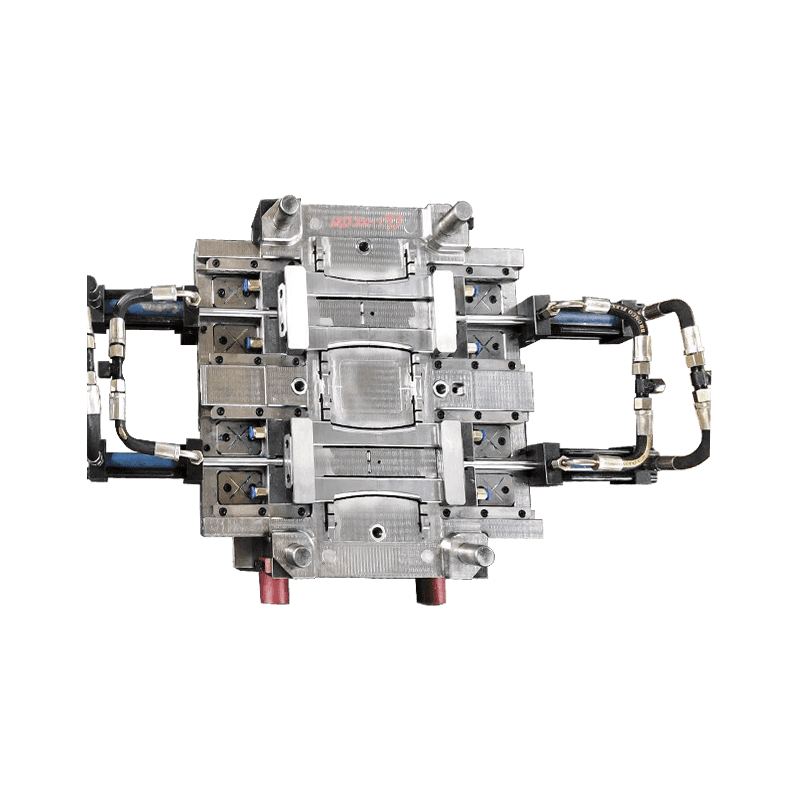


Contact Us