

 English
 中文简体
中文简体 русский
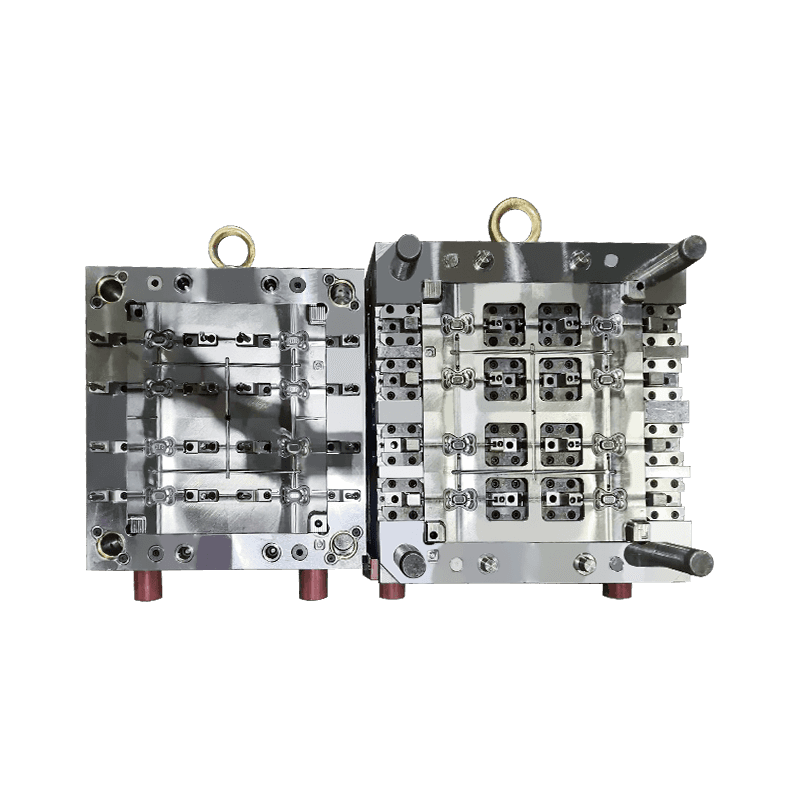
We are committed to providing customers with high-quality, precision mold solutions.
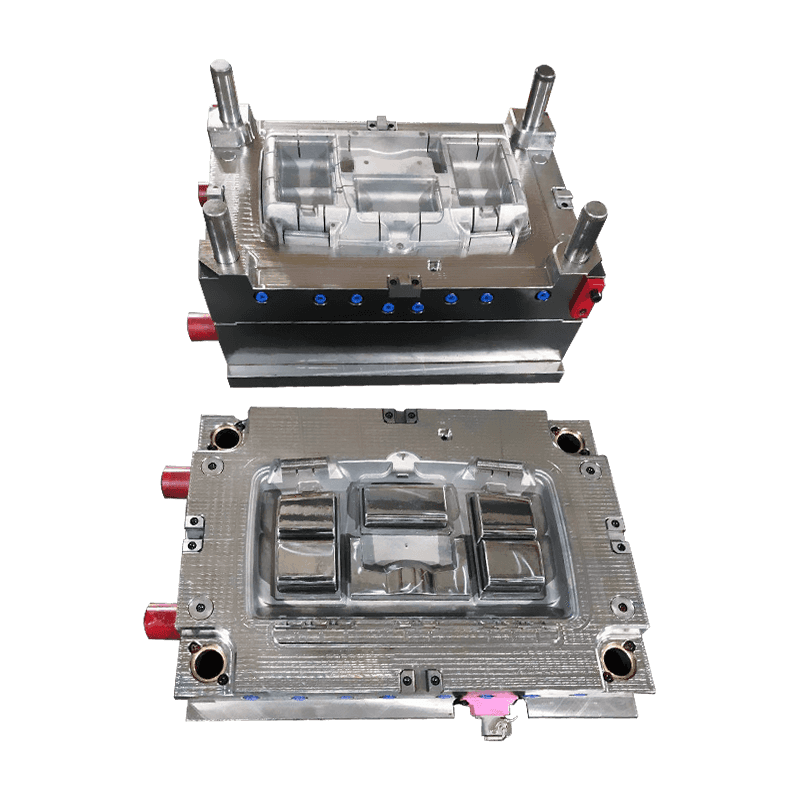
Toolbox Molds
Cat:Toolbox And Accessories Mold
Toolbox molds encompass a variety of types designed to produce different styles and sizes of toolbox...
See Details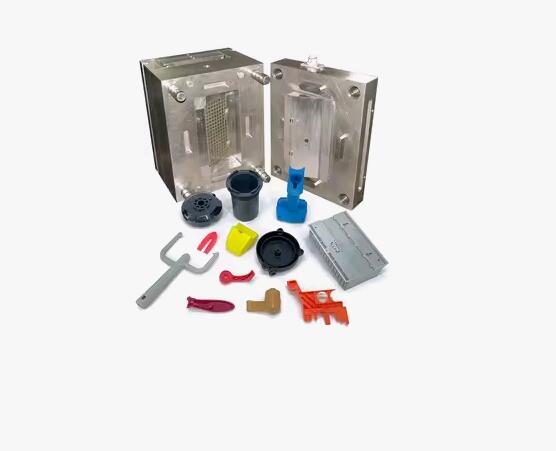
Main Function of a Plastic Toy Mould
Shaping Plastic Components
The primary function of a plastic toy mould is to form molten plastic into predefined shapes that correspond to toy parts or complete toy products. During manufacturing, thermoplastic material is heated until it becomes fluid and is then injected or pressed into the mould cavity. The cavity reflects the exact dimensions, contours, and surface details of the intended toy. Once the plastic cools and solidifies, it retains the shape defined by the mould. This process enables the consistent production of toy components that match design specifications.
Ensuring Dimensional Consistency
Another important function of a plastic toy mould is maintaining uniformity across multiple production cycles. Toys often consist of several interlocking or moving parts, and dimensional accuracy is required for proper assembly and function. A well-designed mould controls wall thickness, tolerances, and alignment features, reducing variations between parts. This consistency supports efficient assembly and helps prevent issues such as misalignment or improper fitting.
Supporting Mass Production
Plastic toy moulds also serve the function of enabling mass production. Once a mould is created, it can be used repeatedly to produce large quantities of identical parts within a relatively short time frame. This repeatability is essential in the toy industry, where demand often requires high output volumes. The mould acts as a stable tool that supports continuous production while maintaining consistent quality.
Uses of a Plastic Toy Mould
Manufacturing Educational and Learning Toys
One common use of plastic toy moulds is in the production of educational and learning toys. These include building blocks, counting tools, shape sorters, and puzzle components. The mould allows precise shaping of pieces that need to fit together or meet specific size requirements. This accuracy supports the functional and instructional aspects of educational toys, where consistency is important for effective use.
Production of Action Figures and Playsets
Plastic toy moulds are widely used to manufacture action figures, figurines, and playset components. These products often involve detailed features such as facial expressions, clothing textures, and small accessories. Moulds are designed to capture these details in the plastic material. Multiple moulds may be used for different parts, which are later assembled into a complete toy. This use highlights the role of moulds in creating complex, multi-part products.
Creation of Outdoor and Ride-On Toys
Another application of plastic toy moulds is in the production of larger toys, such as ride-on vehicles, slides, and playhouse components. These items require moulds that can form thicker walls and larger surfaces while maintaining structural stability. The moulding process allows manufacturers to create hollow or reinforced sections that balance material use and strength. In this context, the mould supports both shape formation and structural design.
Advantages of a Plastic Toy Mould
One advantage of a plastic toy mould is production efficiency. Once the mould is completed and installed in the manufacturing equipment, it enables repeated cycles of part production with minimal manual intervention. This supports stable output rates and reduces variability associated with hand-crafted methods. Efficient production is particularly important for meeting market demand within set timelines.
Another advantage is design accuracy. Plastic toy moulds are created based on detailed digital or physical models, allowing precise translation of design concepts into physical products. Fine surface details, textures, and functional features can be incorporated into the mould cavity. This accuracy supports product consistency and helps ensure that the final toy matches its intended appearance and function.
Cost control over long production runs is also a notable advantage. Although the initial creation of a plastic toy mould requires investment, the cost per unit decreases as production volume increases. This makes mould-based manufacturing suitable for toys produced in large quantities. Over time, the mould supports economical production by reducing the need for frequent tooling changes.
Plastic toy moulds also support material flexibility. Different types of thermoplastics can be used with the same basic mould design, depending on product requirements such as flexibility, color, or surface finish. This adaptability allows manufacturers to adjust material selection without redesigning the entire mould. As a result, the mould remains useful across different product variations or updates.
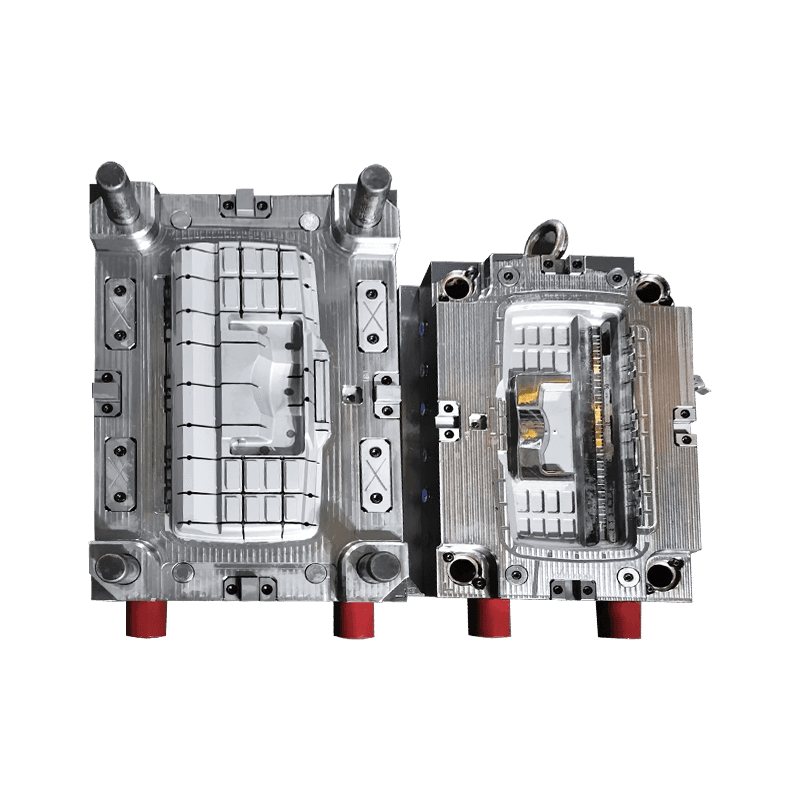
Toolbox molds encompass a variety of types designed to produce different styles and sizes of toolbox...
See Details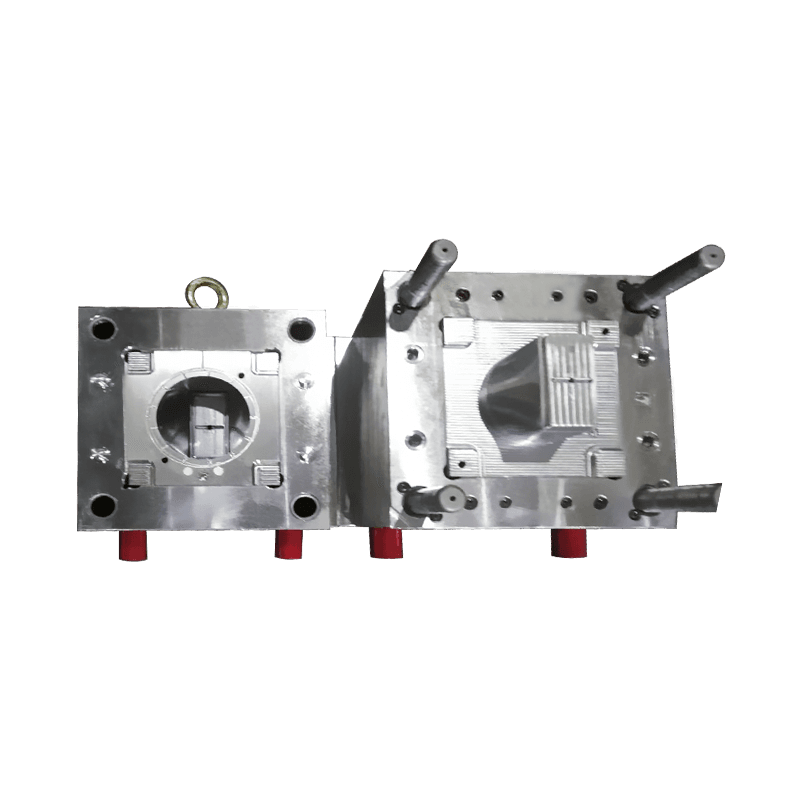
The mold for a ventilation duct interface is a critical component in the production of ventilation s...
See Details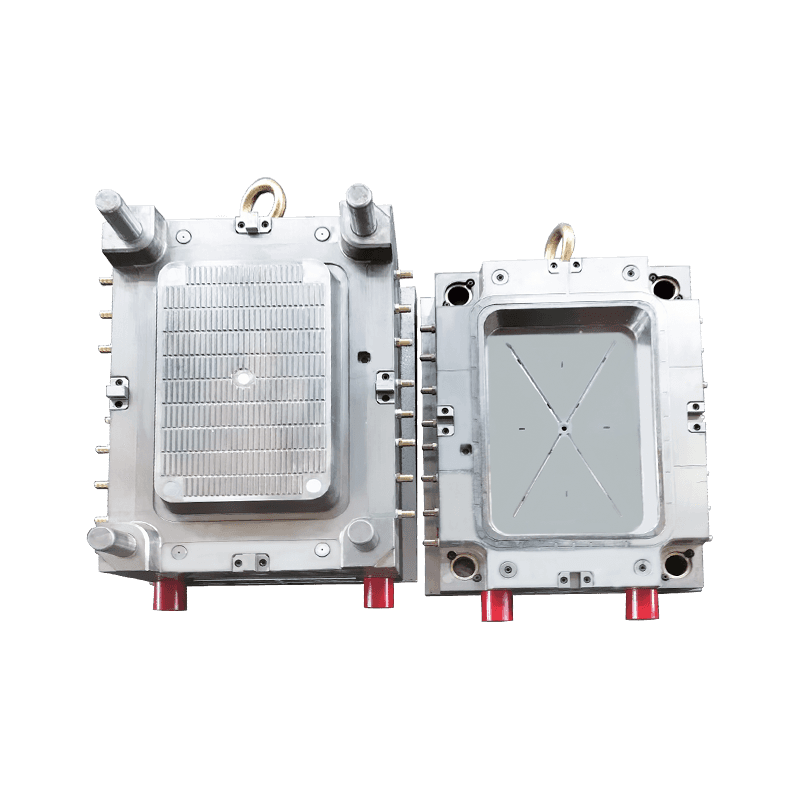
The design of the fruit and vegetable washing basket mold is crucial in balancing practicality and a...
See Details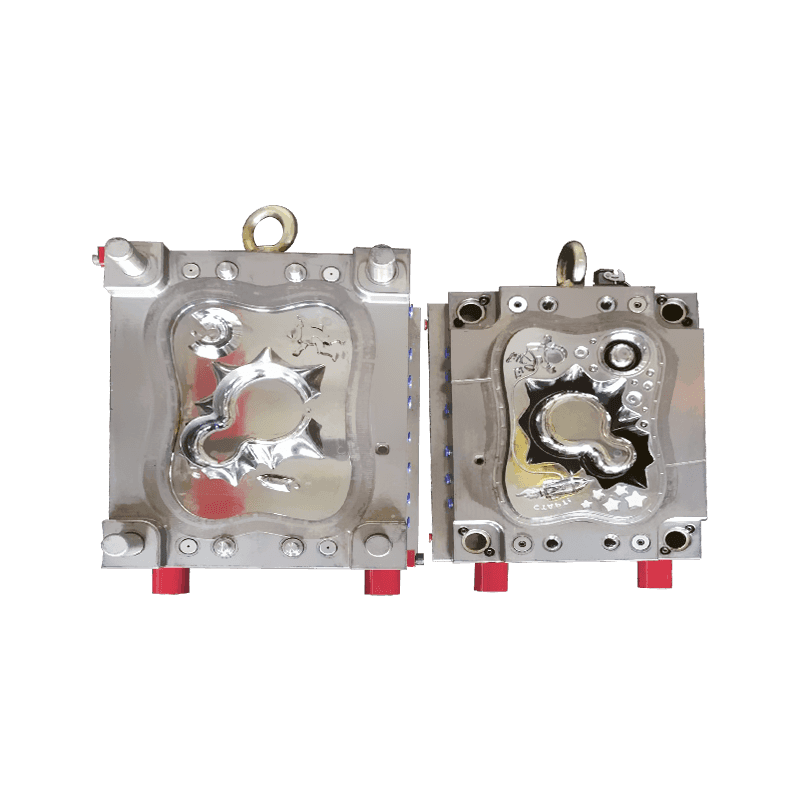
Customizing dinner plate molds to meet individual needs involves several key steps aimed at tailorin...
See Details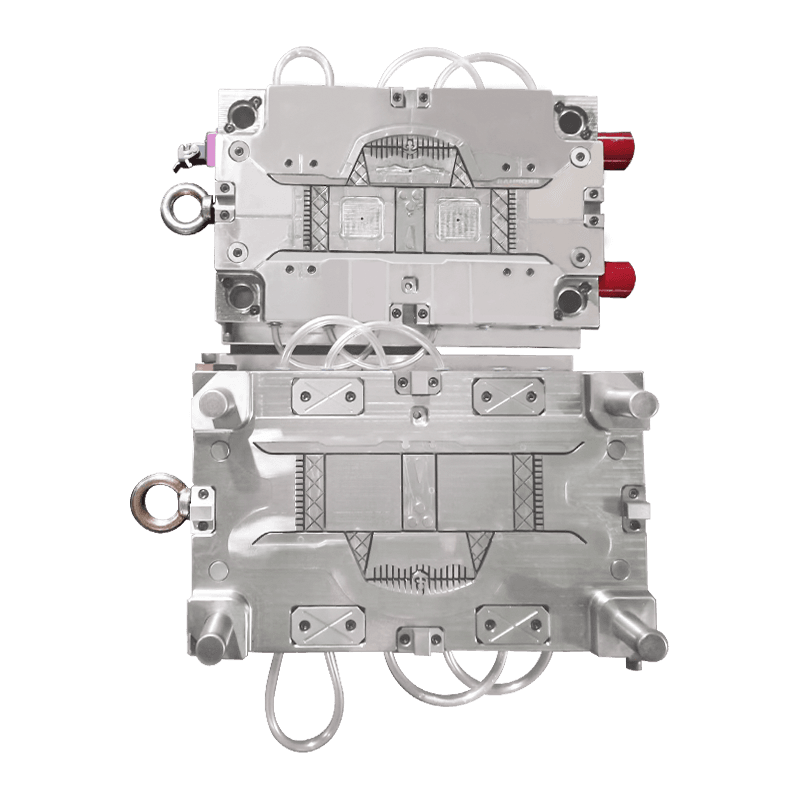
Types and Durability Design of Hanger Molds:Hanger molds come in various styles to cater to differen...
See Details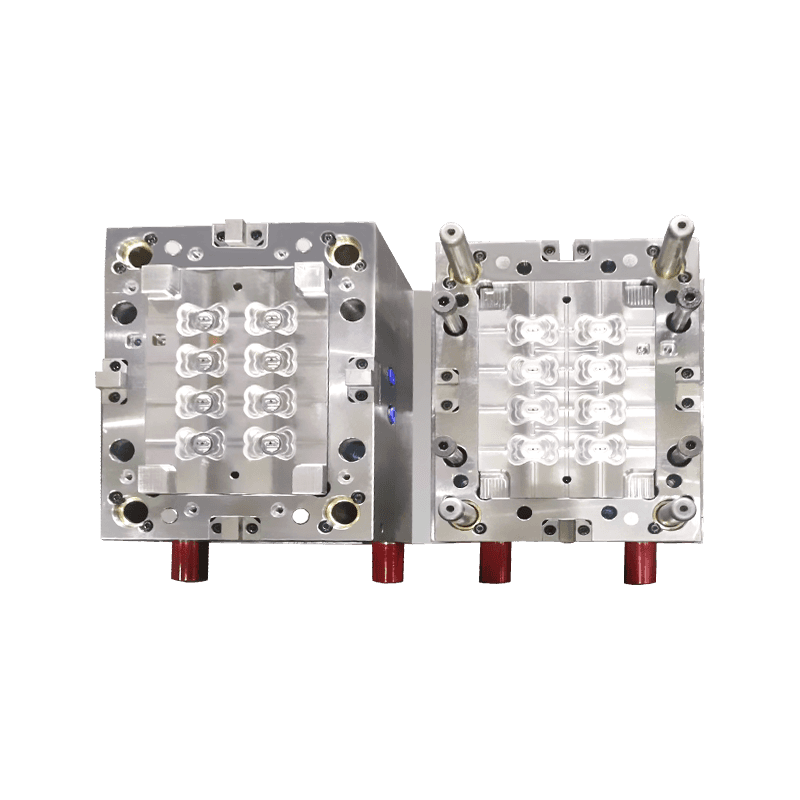
Pacifier molds are essential tools used in the manufacturing of pacifiers, also known as soothers or...
See Details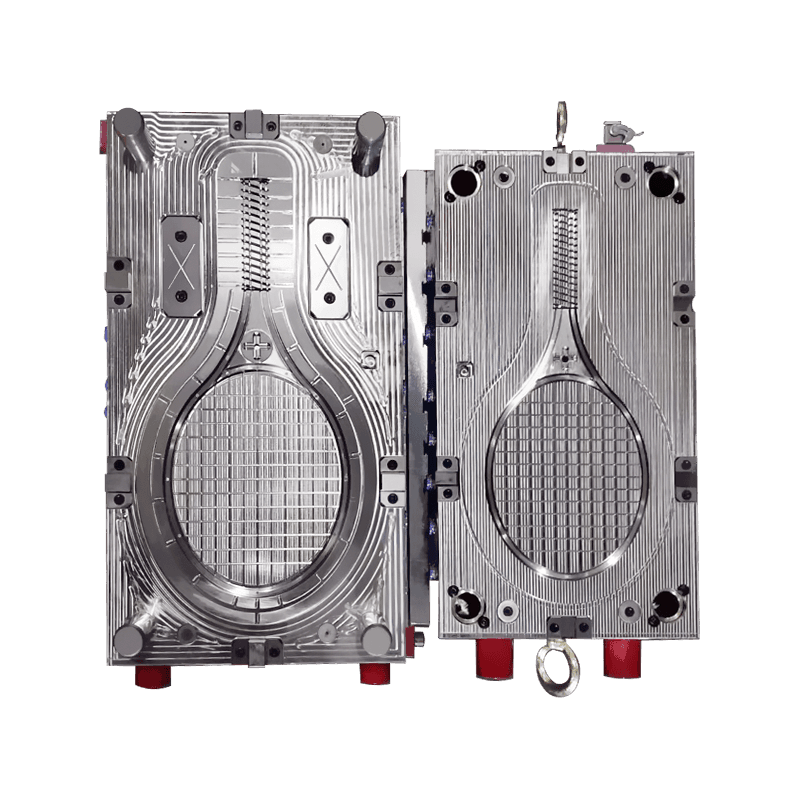
Toy racket mold is a key tool specially used to manufacture toy rackets. These molds precisely shape...
See Details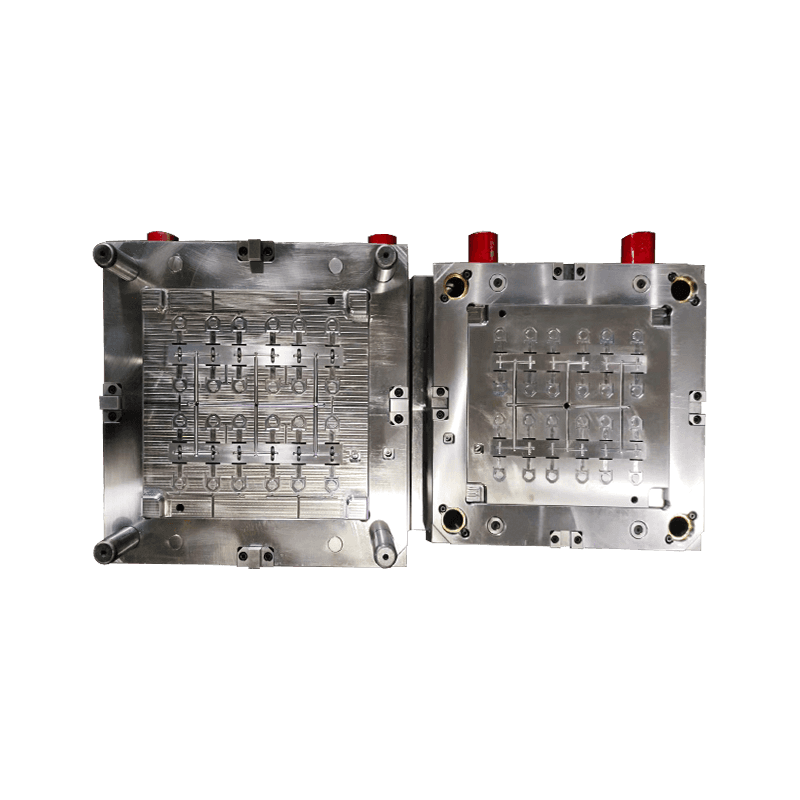
Tile spacer molds are essential tools used in the manufacturing of tile spacers, which are small, pl...
See Details+86-13616882963

We are committed to providing customers with high-quality, precision mold solutions.
Copyright © Taizhou Yiwei Mold Co., Ltd. All Rights Reserved.

Contact Us