Precision and Accuracy in Medical Injection Molding
One of the standout characteristics of medical injection molding is its ability to produce highly precise and accurate parts. Medical devices, including syringes, drug delivery systems, surgical instruments, and diagnostic equipment, require components that meet strict tolerances. Injection molding ensures that each part is manufactured to exact specifications, with minimal deviations.
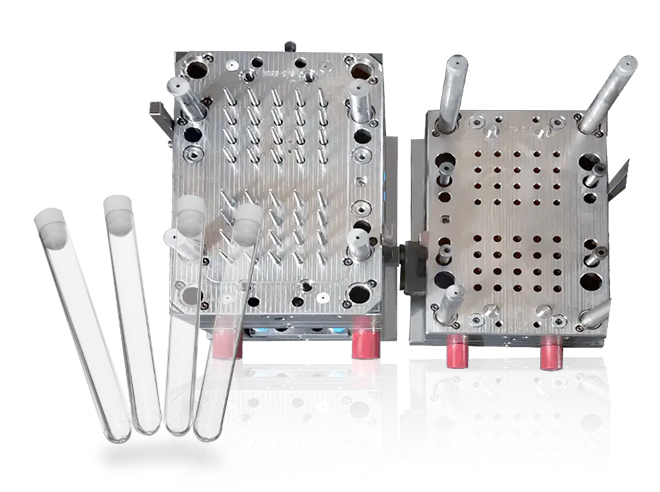
The process begins with the injection of molten material into a mold cavity under high pressure. This pressure ensures that the material fills the cavity completely, allowing for the production of complex shapes with fine details. Medical injection molds are designed to be precise, and the equipment used can achieve tolerances of less than one thousandth of an inch (0.001 inches), which is crucial in industries where even small defects could result in product failure or harm to patients.
In addition to accuracy, the consistency of parts produced through injection molding is another significant advantage. Medical products are often required to meet uniform standards across thousands or millions of units, and injection molding can consistently produce parts with the same level of quality. This level of consistency is vital when manufacturing items like implants or syringes that must work seamlessly in real-world applications.
Material Compatibility and Versatility
Medical injection molding is highly versatile in terms of the materials that can be used. Over the years, injection molding has expanded to accommodate a wide range of polymers and biocompatible materials that are essential in medical applications. Common materials include thermoplastics like polypropylene, polyethylene, polystyrene, and polycarbonate, as well as specialized materials such as medical-grade silicones and thermoplastic elastomers.
These materials offer various advantages, such as strength, flexibility, and resistance to chemicals, making them suitable for different medical applications. For example, polypropylene is commonly used in disposable medical devices due to its cost-effectiveness and resistance to chemical degradation. On the other hand, polycarbonate is known for its durability and optical clarity, making it ideal for surgical instruments and diagnostic devices.
Medical-grade materials must adhere to strict standards for biocompatibility, ensuring they are safe for use in contact with the human body. The materials used in medical injection molding are chosen to meet these standards and provide the necessary performance for the intended medical application. Furthermore, the flexibility in material selection allows manufacturers to create parts with different properties, such as high tensile strength, impact resistance, or transparency, depending on the needs of the product.
Production Efficiency and Cost-Effectiveness
One of the significant advantages of medical injection molding is its ability to produce large quantities of parts quickly and efficiently. Once the mold is designed and constructed, the production process can run continuously with minimal downtime, allowing for high-volume manufacturing. This is particularly important in the medical field, where demand for certain products can fluctuate, and manufacturers need to be able to ramp up production quickly to meet the market's needs.
In addition to speed, injection molding reduces waste and ensures that materials are used efficiently. During the injection process, only the necessary amount of material is injected into the mold cavity, which reduces material waste compared to other manufacturing methods. Moreover, the automated nature of the process allows for minimal human intervention, reducing the likelihood of errors and lowering labor costs.
Medical manufacturers can also save on material costs due to the precision of the molding process. Parts produced by injection molding typically require minimal post-processing, which further reduces overall production costs. As a result, injection molding is considered a cost-effective method for producing high-quality medical components, especially for mass production runs where economies of scale can be leveraged.
Regulatory Compliance and Quality Control
Given the critical nature of medical devices, manufacturers must adhere to stringent regulations and quality control standards to ensure the safety and reliability of their products. Medical injection molding meets these requirements by offering precise control over the manufacturing process and enabling traceability of each part produced.
Injection molding facilities that produce medical parts often operate under certifications such as ISO 13485, which outlines the requirements for a quality management system in the medical device industry. This certification ensures that the production process consistently meets regulatory requirements and that parts are manufactured with a focus on quality and safety.
Furthermore, injection molding allows for the integration of in-process quality control measures. For example, sensors and automated systems can monitor the mold temperature, pressure, and cycle time, ensuring that each part is within the desired specifications. Any deviations from the set parameters can trigger alarms, prompting immediate corrective actions to prevent defective parts from being produced. This level of control helps manufacturers avoid costly recalls and ensures that medical products are consistently safe for use.



 English
 中文简体
中文简体 русский


Contact Us