

 English
 中文简体
中文简体 русский
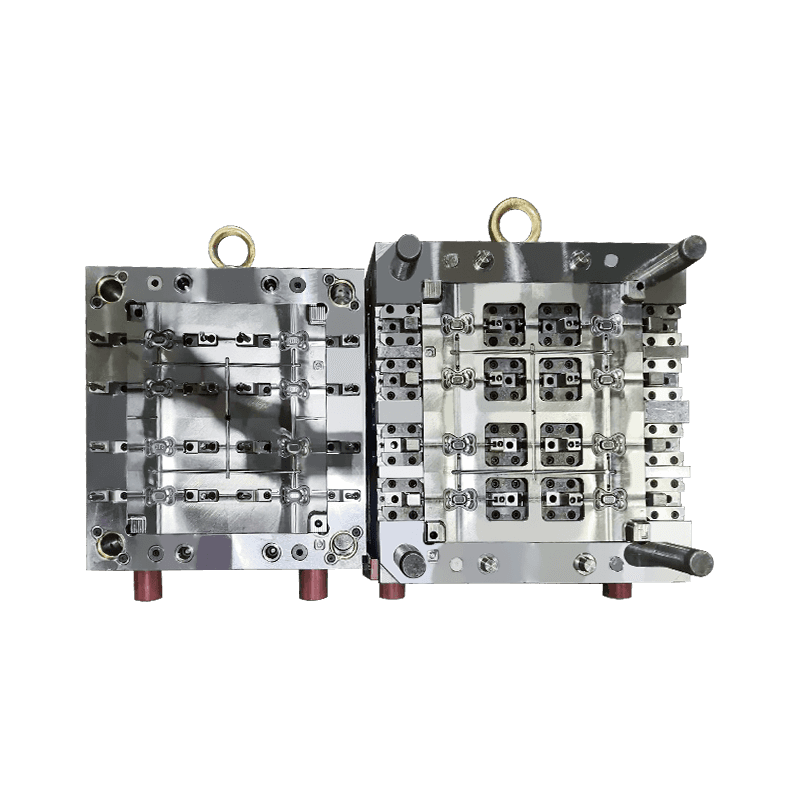
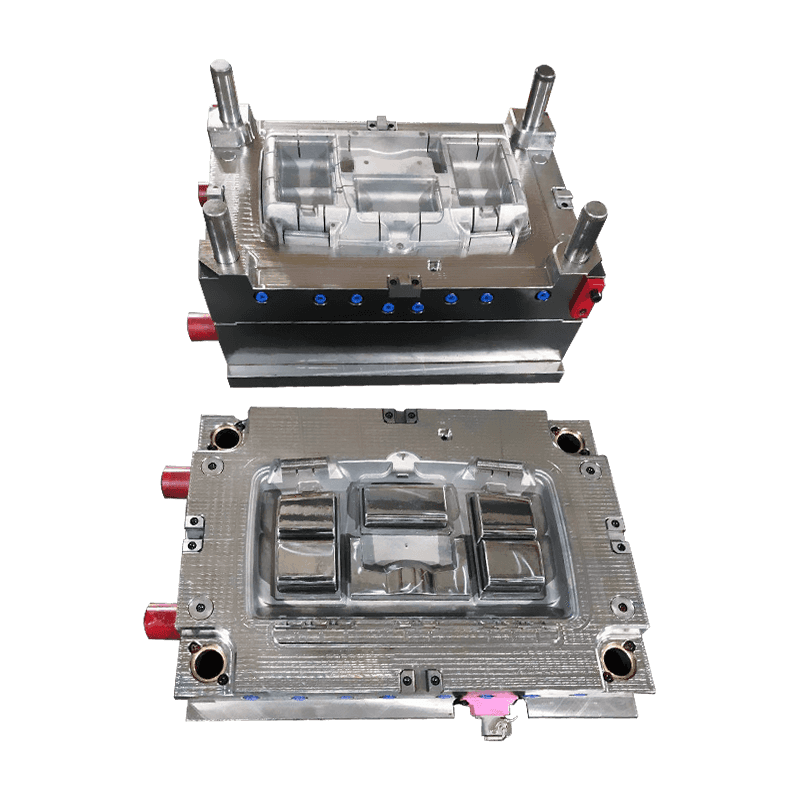
We are committed to providing customers with high-quality, precision mold solutions.
Ventilation Grille Molds
Cat:Ventilation Mold
Ventilation grille molds are specialized molds used for manufacturing ventilation grilles. These mol...
See Details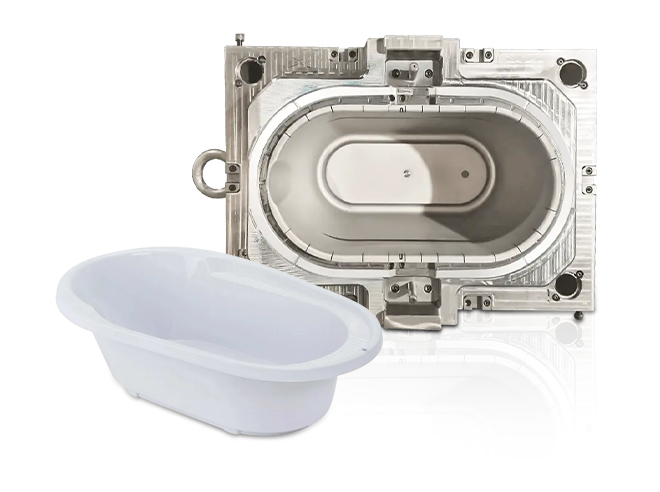
The mold is a multi-part assembly that fits into an injection molding machine. Its key components function in sequence.

Mold Base: The structural frame, consisting of a fixed half (cavity side, mounted to the stationary platen) and a moving half (core side, mounted to the moving platen). It ensures alignment via guide pins and bushings.
Cavity and Core Inserts: These are the machined blocks that form the part. The cavity insert creates the item's outer aesthetic surface. The core insert forms the inner shape, such as the hollow of a tub or the underside of a lid.
Sprue, Runners, and Gates: The network that delivers molten plastic. The sprue is the main channel from the machine nozzle. Runners distribute plastic to each cavity in multi-cavity molds. Gates are the small, controlled entry points into the cavity itself, which leave a small mark on the finished part.
Cooling System: A network of drilled channels through the mold blocks. Circulating temperature-controlled water extracts heat from the molten plastic to solidify it, directly determining the production cycle time.
Ejection System: The mechanism to remove the solidified part. It includes ejector pins (which contact the part), ejector plates to drive the pins, and return pins to retract the system when the mold closes.
Venting: Thin channels or gaps at the mold parting line that allow trapped air to escape as plastic fills the cavity, preventing defects.
The mold exists as a capital tool to enable the mass production of low-cost, high-volume consumer goods according to specific industrial requirements.
Enabling Economies of Scale and Low Unit Cost
The primary reason is economic. Once the mold is built and installed in a molding press, it can produce an identical part every 15 to 60 seconds for years. This high-speed, automated replication allows for the manufacture of millions of units, driving the per-part cost to a level that makes disposable or low-cost reusable items commercially viable.
Achieving Consistent Dimensional Accuracy and Interchangeability
For items that must assemble or function reliably, such as lids that fit containers or parts that stack, consistency is critical. The mold ensures that every single item produced has the same dimensions and features. This interchangeability is fundamental to mass production and consumer satisfaction, as it allows parts from different production batches to work together.
Integrating Functional Features Efficiently
Daily necessities often combine multiple functions: snap-fit lids, living hinges, textured grips, or stacking ribs. The mold is engineered to form these features directly into the plastic part during a single molding cycle. This "all-in-one" manufacturing eliminates the need for secondary assembly operations for basic functions, streamlining production and reducing labor costs.
Several technical challenges are common in the injection molding process for these high-volume items.
A primary issue is managing warpage and dimensional stability. As the molten plastic cools and solidifies, it shrinks. Uneven wall thicknesses or non-uniform cooling across the part can cause internal stresses that bring about warping—the part bends or twists out of shape after ejection. This is addressed through careful mold design with balanced cooling channels and appropriate gate locations, but it remains a persistent challenge, especially for large, flat items like lids or bins.
Achieving a high-quality surface finish while maintaining fast cycle times presents a conflict. A glossy finish requires a highly polished mold cavity, but to produce parts quickly, the plastic must cool and solidify rapidly. Rapid cooling can sometimes cause aesthetic defects like sink marks (depressions over thick sections) or flow lines (visible patterns from the plastic front meeting). Optimizing the process involves balancing melt temperature, injection speed, and cooling time.
Wear and maintenance over long production runs are constant concerns. The mold is subject to abrasive wear from filled plastics (e.g., with glass fibers or minerals), mechanical fatigue from repeated clamping cycles, and potential corrosion from certain plastics or cooling water. Over time, this can bring about flash (thin excess plastic at parting lines), damaged ejector pins, or a degraded surface finish on the cavity, requiring downtime for polishing or component replacement.
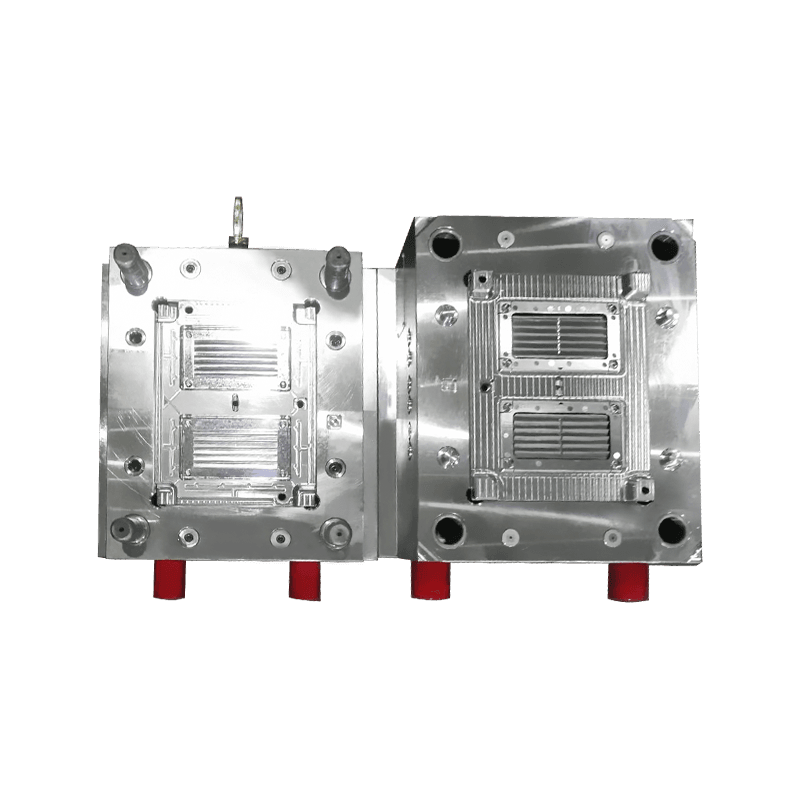
Ventilation grille molds are specialized molds used for manufacturing ventilation grilles. These mol...
See Details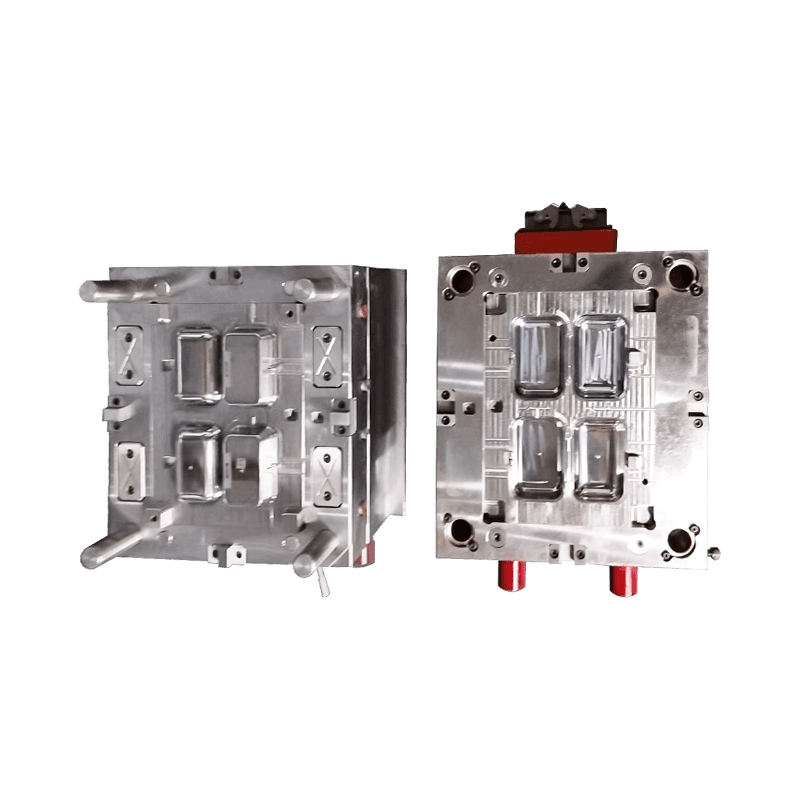
The soapbox mold is a key tool used to produce soap boxes. The shape and structure of the soap box a...
See Details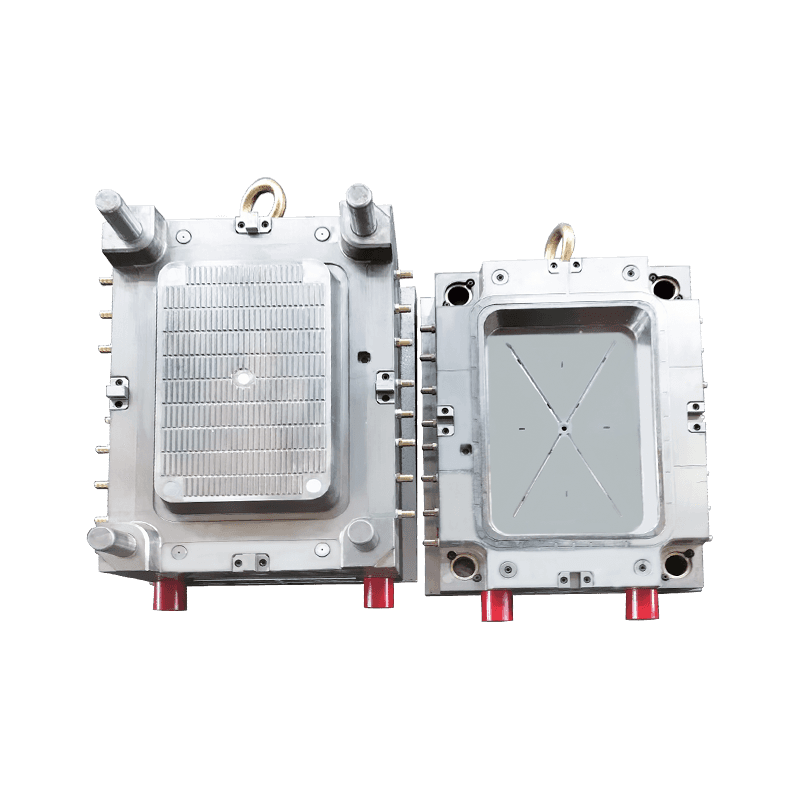
The design of the fruit and vegetable washing basket mold is crucial in balancing practicality and a...
See Details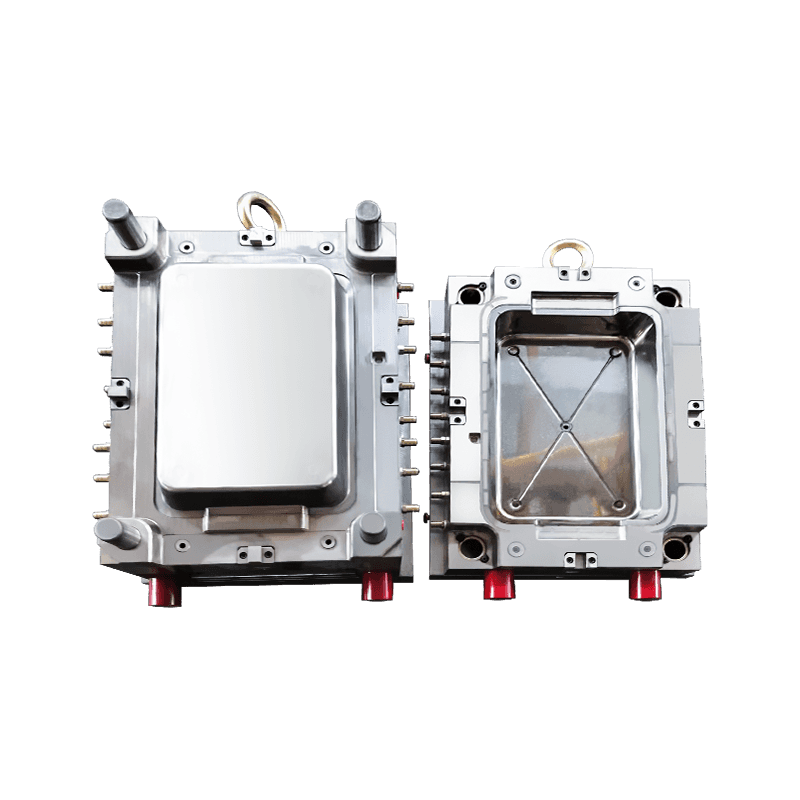
The production of fruit basket molds and the resulting fruit basket products can indeed be designed ...
See Details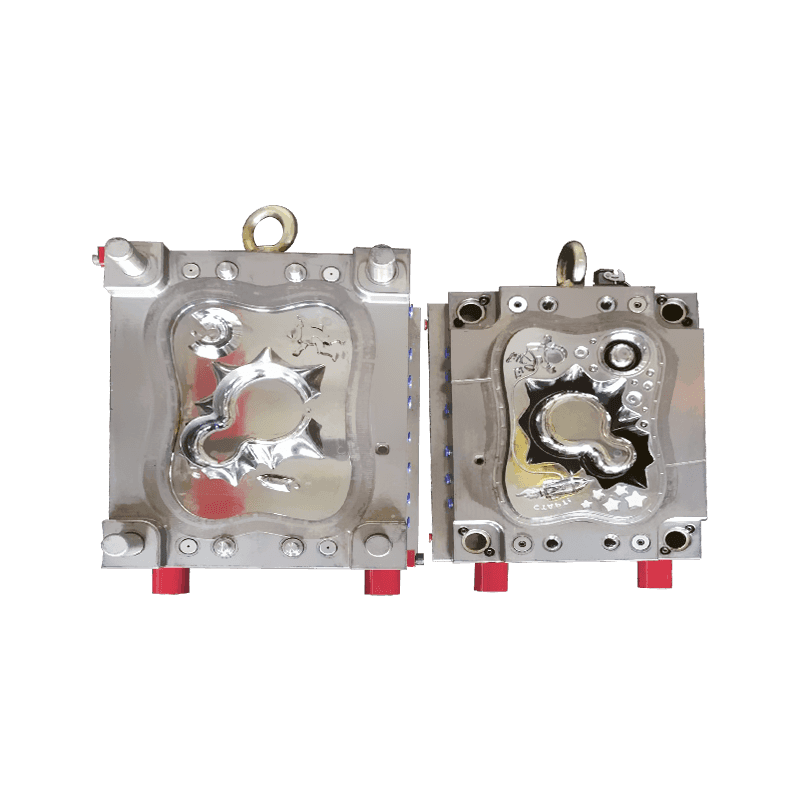
Customizing dinner plate molds to meet individual needs involves several key steps aimed at tailorin...
See Details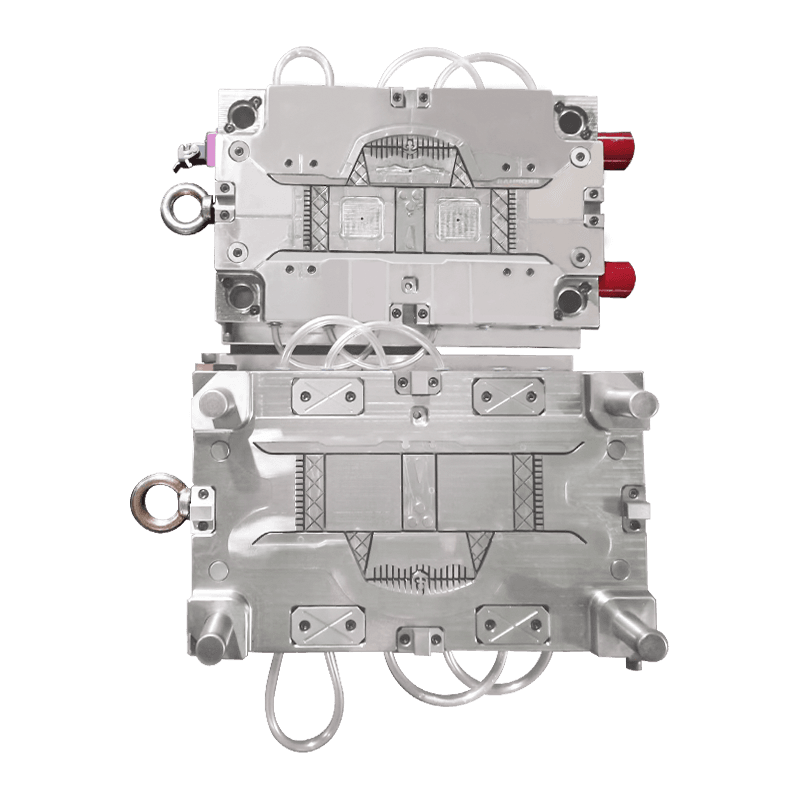
Types and Durability Design of Hanger Molds:Hanger molds come in various styles to cater to differen...
See Details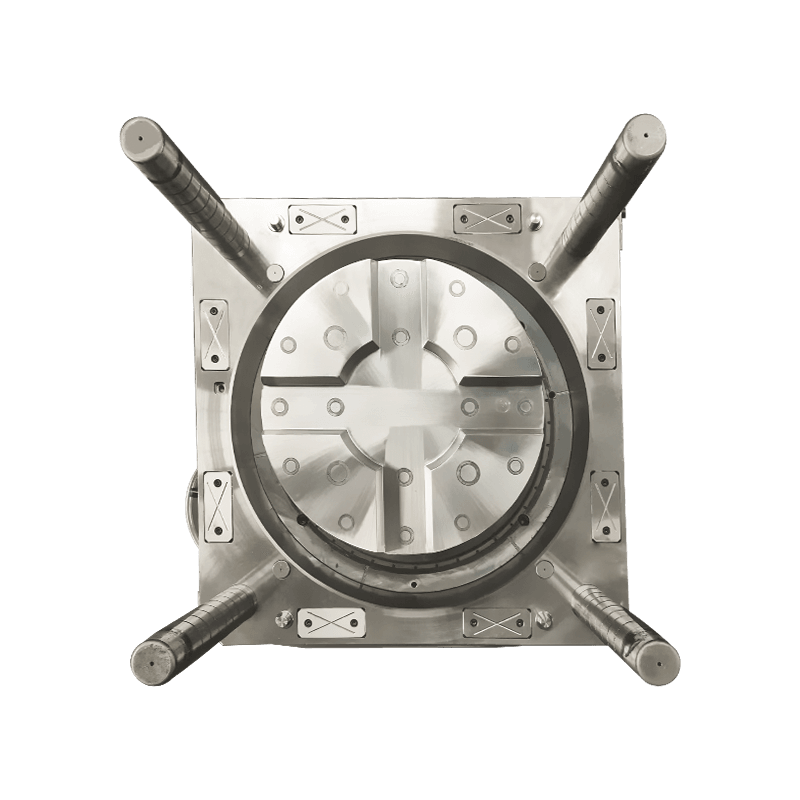
Flower pot molds are special molds used to manufacture flower pots of various shapes and styles. The...
See Details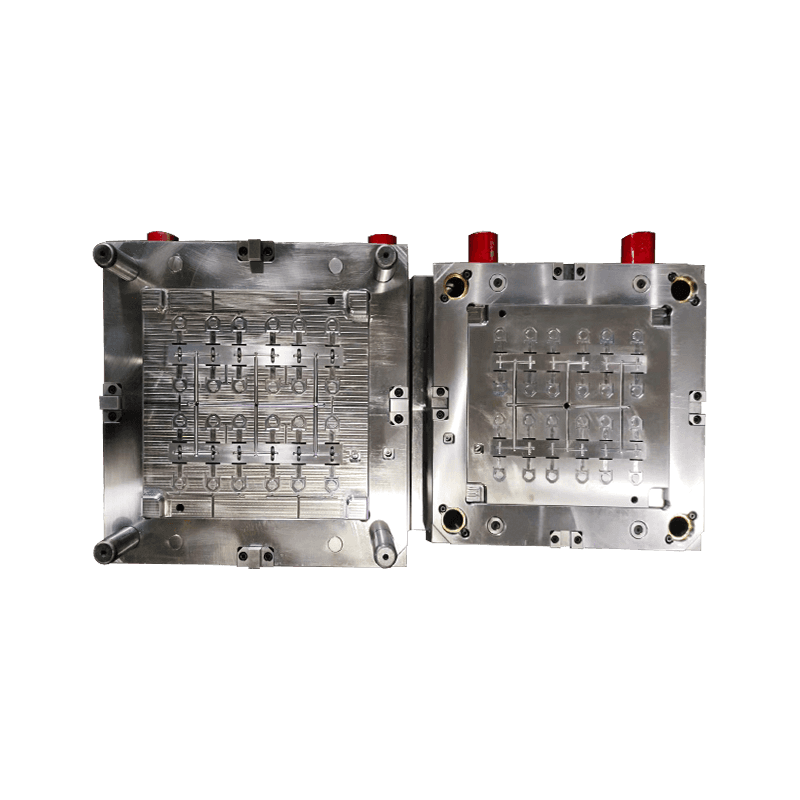
Tile spacer molds are essential tools used in the manufacturing of tile spacers, which are small, pl...
See Details+86-13616882963

We are committed to providing customers with high-quality, precision mold solutions.
Copyright © Taizhou Yiwei Mold Co., Ltd. All Rights Reserved.

Contact Us