

 English
 中文简体
中文简体 русский
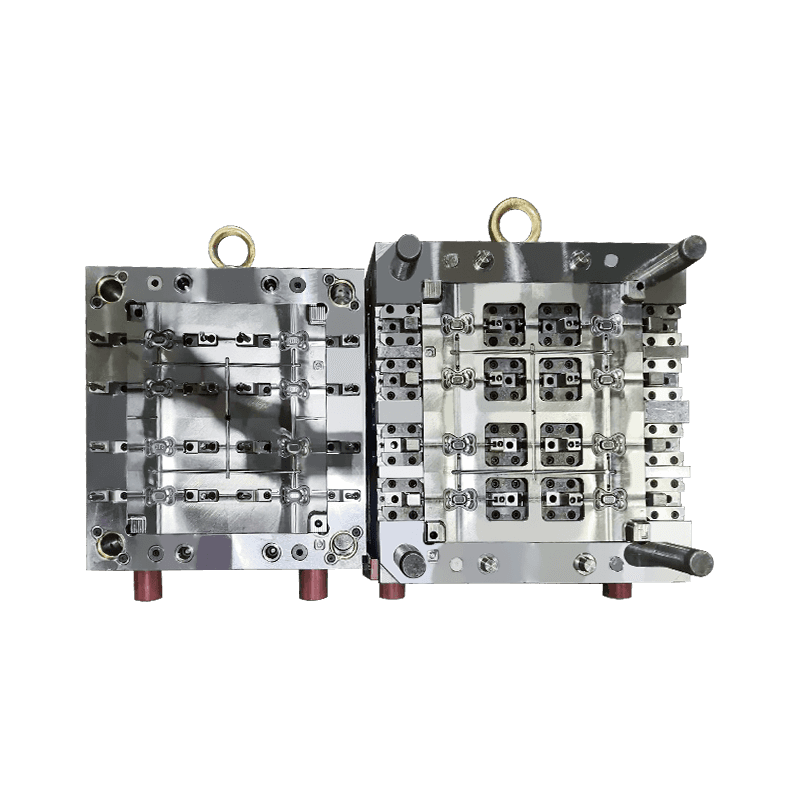
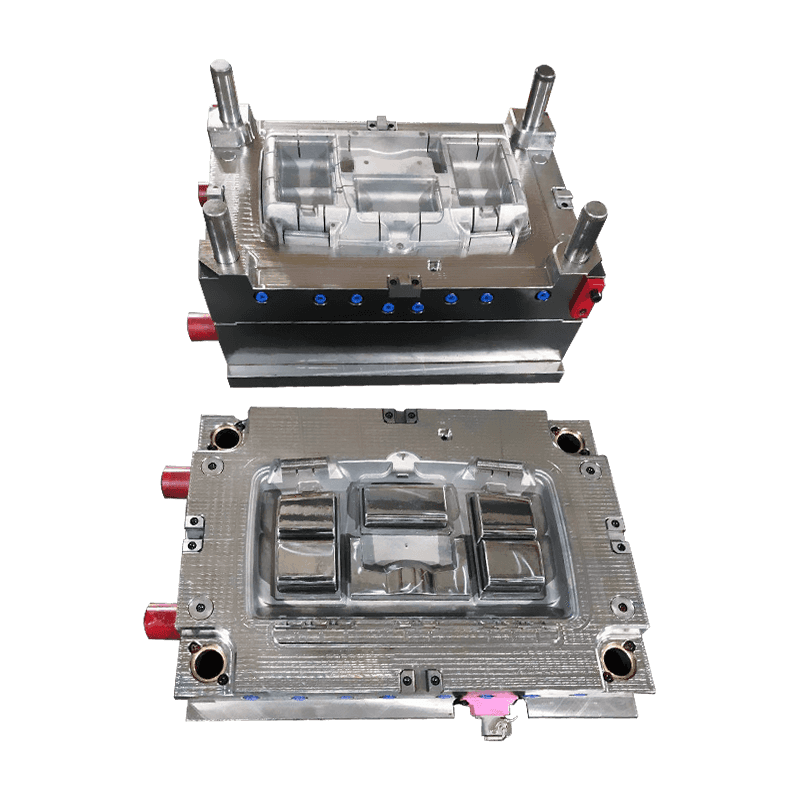
We are committed to providing customers with high-quality, precision mold solutions.
Duct Exhaust Fan Shell Mold
Cat:Ventilation Mold
The duct exhaust fan shell mold is a special mold used to produce the duct exhaust fan shell. It use...
See Details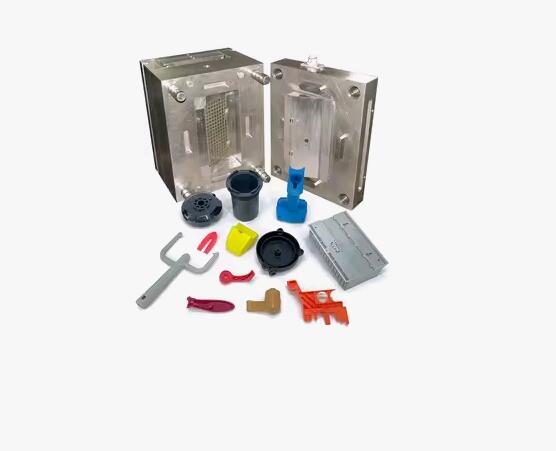
Plastic toy molds are essential for large-scale production, but they are not without disadvantages. One notable drawback is the high initial investment. Designing and manufacturing a precision mold requires advanced equipment, skilled labor, and quality steel, which can significantly increase upfront costs. This can be challenging for small toy manufacturers or for products with short market lifecycles.
Another limitation relates to design flexibility. Once a mold is completed, making changes to toy shape, size, or surface details can be costly and time-consuming. Even minor design adjustments may require mold modification or partial retooling, which can disrupt production schedules.
Wear and maintenance are also concerns. Plastic toy molds are subject to repeated high-pressure injection cycles, which can gradually bring about cavity wear, reduced surface quality, or dimensional deviation. Regular maintenance is necessary, adding to long-term operational costs.
Finally, material compatibility can pose challenges. Different plastics have varying flow characteristics and shrinkage rates. If a mold is not properly designed for a specific plastic, defects such as warping, flash, or sink marks may occur, affecting toy quality and safety compliance.
Plastic Toy Mold: How to Understand It Correctly
To understand plastic toy molds correctly, it is important to view them as part of a complete manufacturing system rather than as isolated tools.
A mold is a production enabler, not the final product
The mold shapes molten plastic into toy components, but the final quality depends equally on material selection, machine settings, and operator control.
Precision determines consistency
Accurate cavity machining and balanced runner systems ensure that each toy part meets dimensional requirements and assembles properly.
Safety standards influence mold design
Toys must comply with regulations related to child safety, which affects mold surface finish, edge design, and compatibility with certified plastics.
Efficiency impacts cost and supply
Multi-cavity molds and optimized cooling systems increase output and reduce cycle time, helping manufacturers meet market demand.
Maintenance is part of normal operation
Routine cleaning, inspection, and part replacement are necessary to keep molds functioning reliably over long production runs.
Understanding these points helps manufacturers and buyers evaluate plastic toy molds more realistically and make informed decisions.
Plastic Toy Mold Design Considerations
Material Selection and Durability
The choice of mold steel and internal components directly affects mold lifespan and production stability. For plastic toy molds, commonly used steels offer a balance between hardness, machinability, and corrosion resistance. Durable materials reduce deformation and maintain cavity accuracy over time, which is especially important for toys with fine details or moving parts.
In addition, mold durability supports consistent product quality across large batches. When a mold maintains its dimensional integrity, toys are more likely to assemble correctly and function as intended. This consistency is essential for meeting safety standards and product rejection rates.
Production Quality and Compliance
Plastic toy molds must support the production of toys that meet regulatory and consumer expectations. This includes smooth surfaces to reduce sharp edges, accurate wall thickness to prevent breakage, and stable ejection systems to avoid deformation during demolding.
Compliance with international toy safety standards often requires close coordination between mold designers and product engineers. Mold features such as proper venting, controlled cooling, and uniform material flow help reduce internal stress and defects. These technical details contribute to safer and more reliable toy products.
Effective plastic toy mold design balances durability, precision, and compliance, ensuring that toys can be produced efficiently while meeting quality and safety requirements.
By examining drawbacks, clarifying correct understanding, and reviewing key design considerations, plastic toy molds can be better evaluated within their practical manufacturing context.
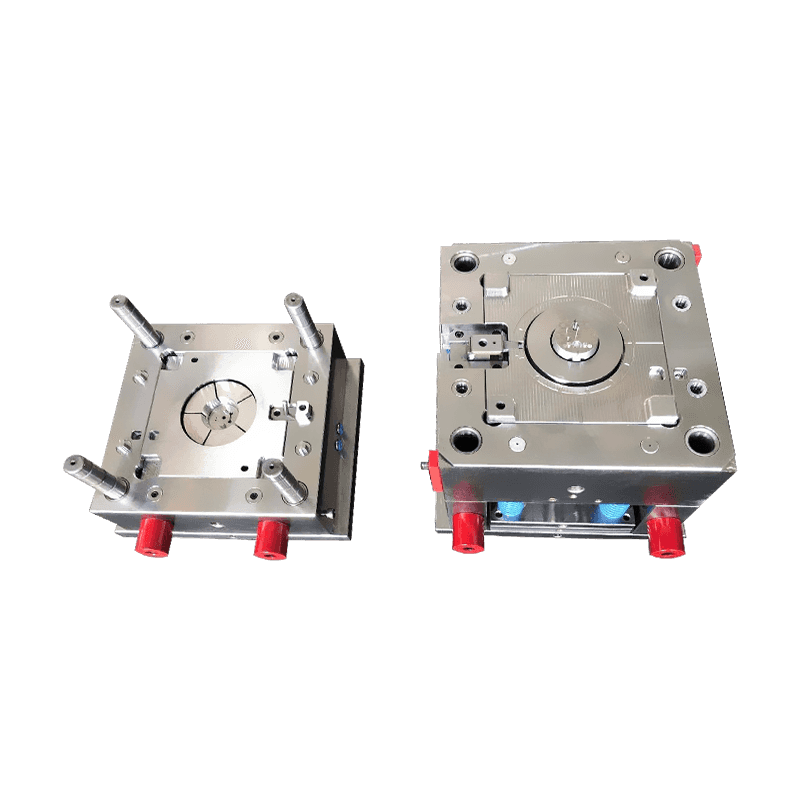
The duct exhaust fan shell mold is a special mold used to produce the duct exhaust fan shell. It use...
See Details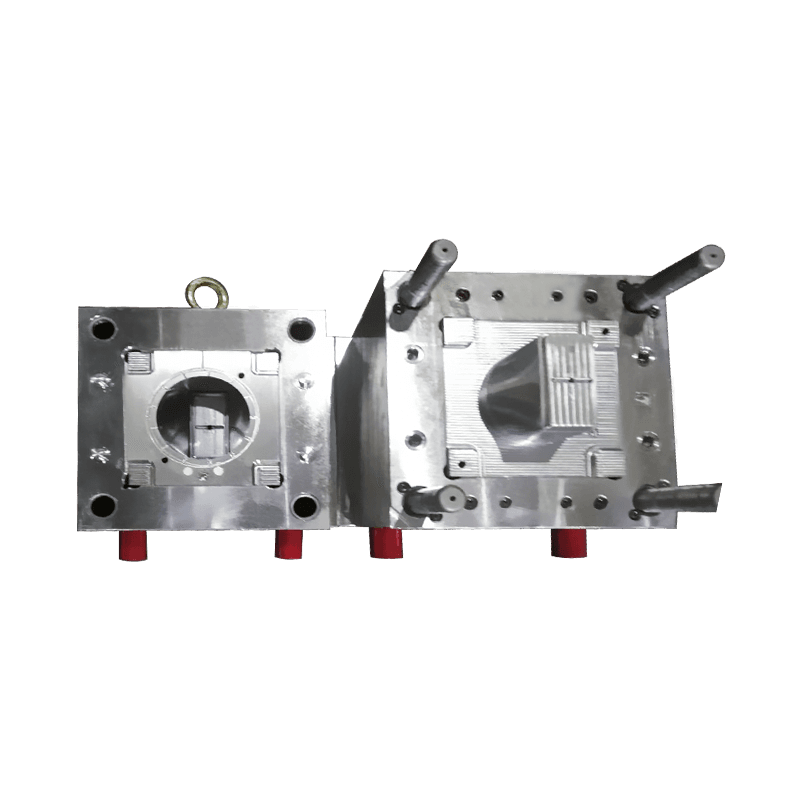
The mold for a ventilation duct interface is a critical component in the production of ventilation s...
See Details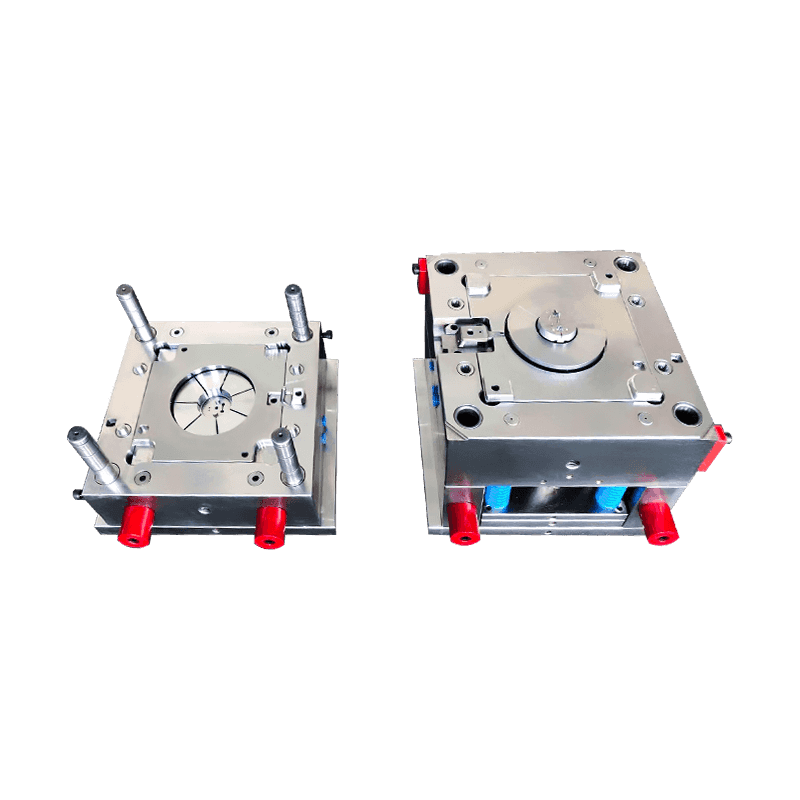
Ventilation fan molds are essential tools used in the manufacturing of ventilation fans, which play ...
See Details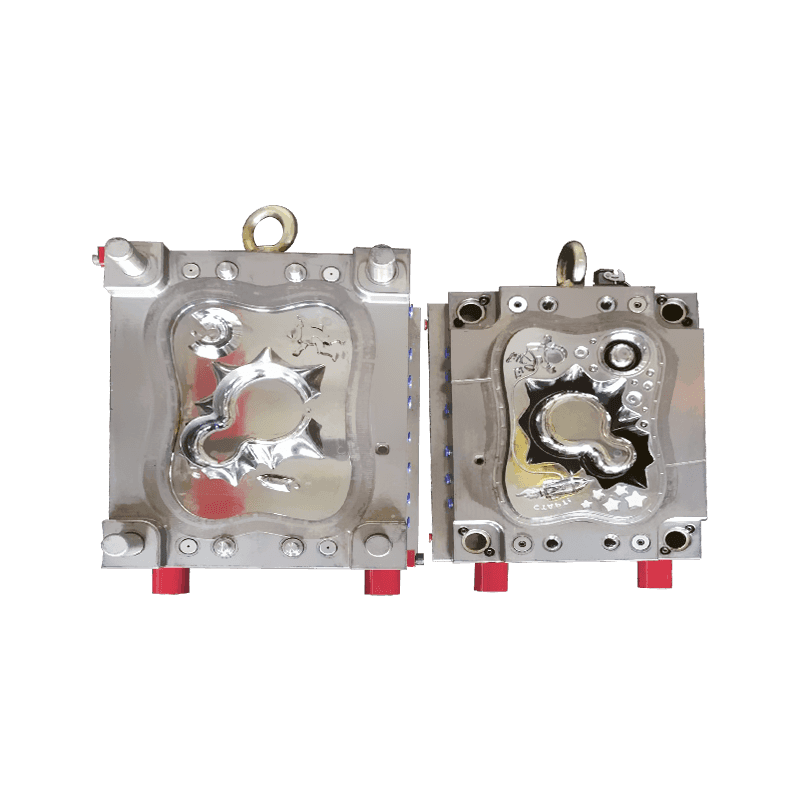
Customizing dinner plate molds to meet individual needs involves several key steps aimed at tailorin...
See Details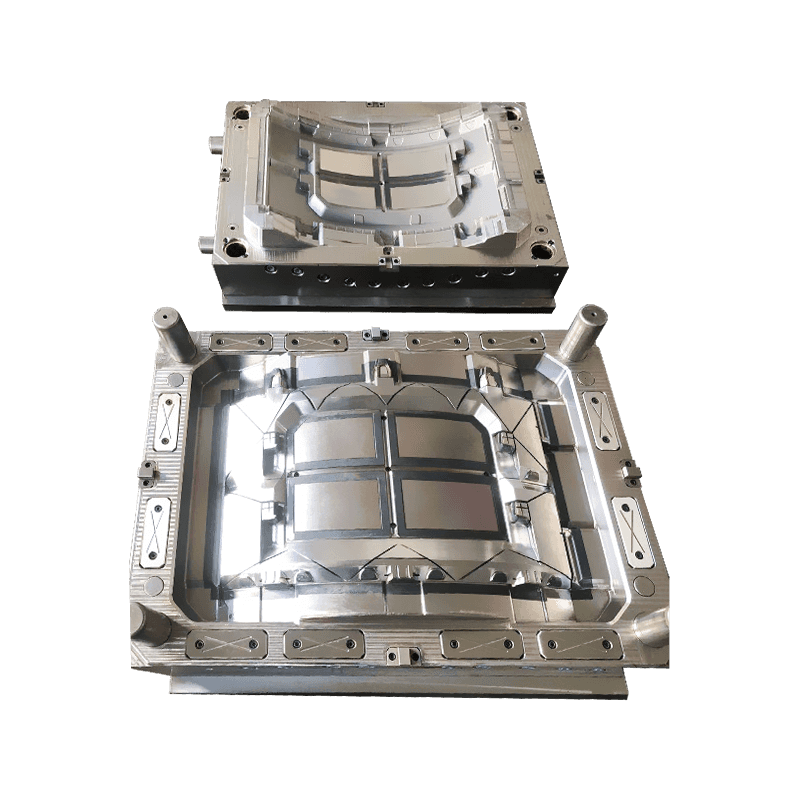
Seedling planting box molds play a crucial role in the cultivation of flowers, vegetables, and fruit...
See Details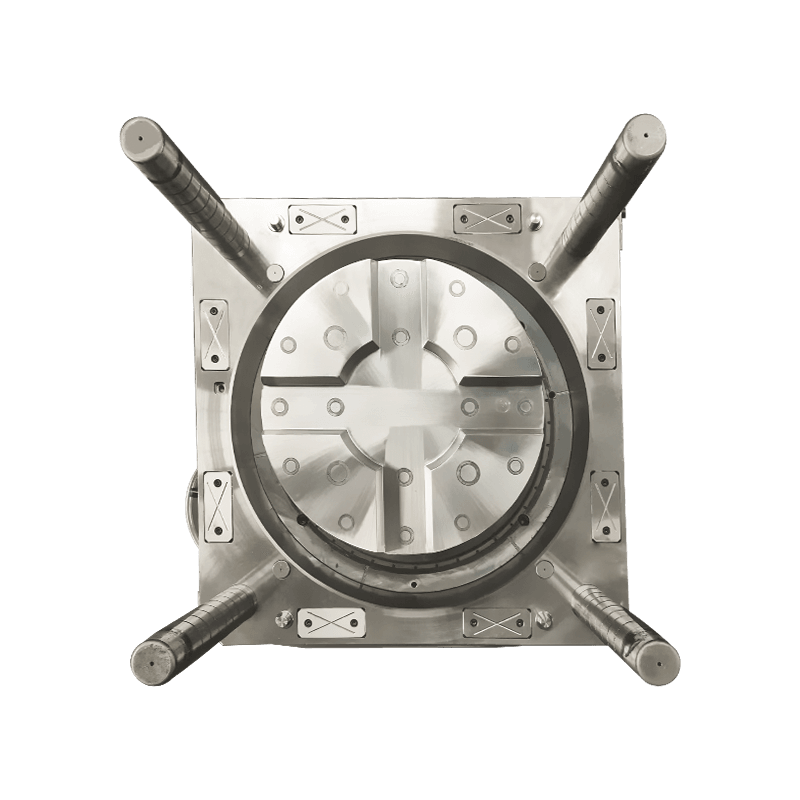
Flower pot molds are special molds used to manufacture flower pots of various shapes and styles. The...
See Details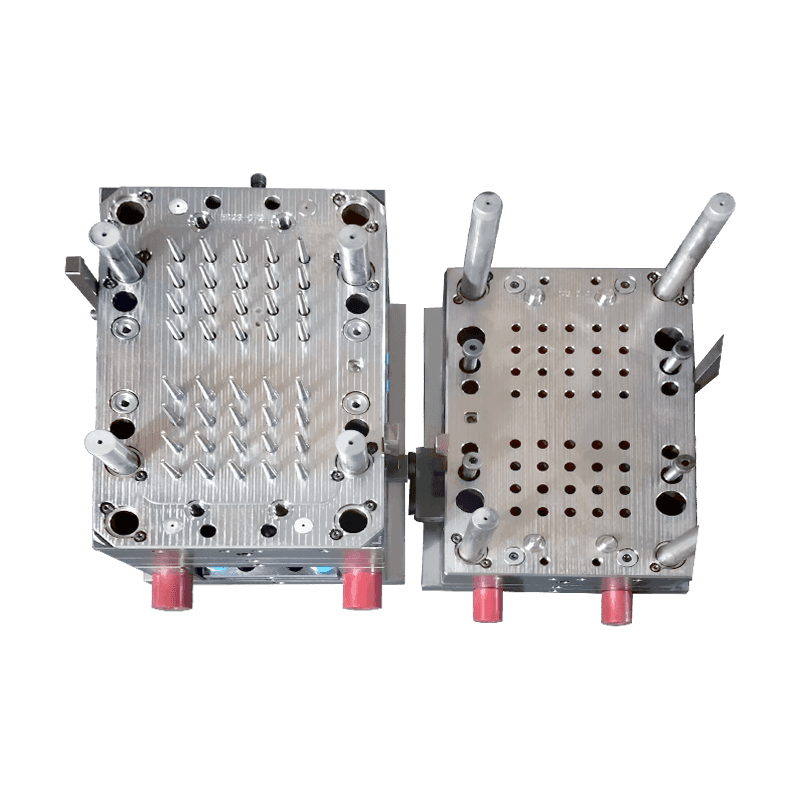
Production Capabilities and Quality Testing Standards for Medical Test Tube Mold Factories:A medical...
See Details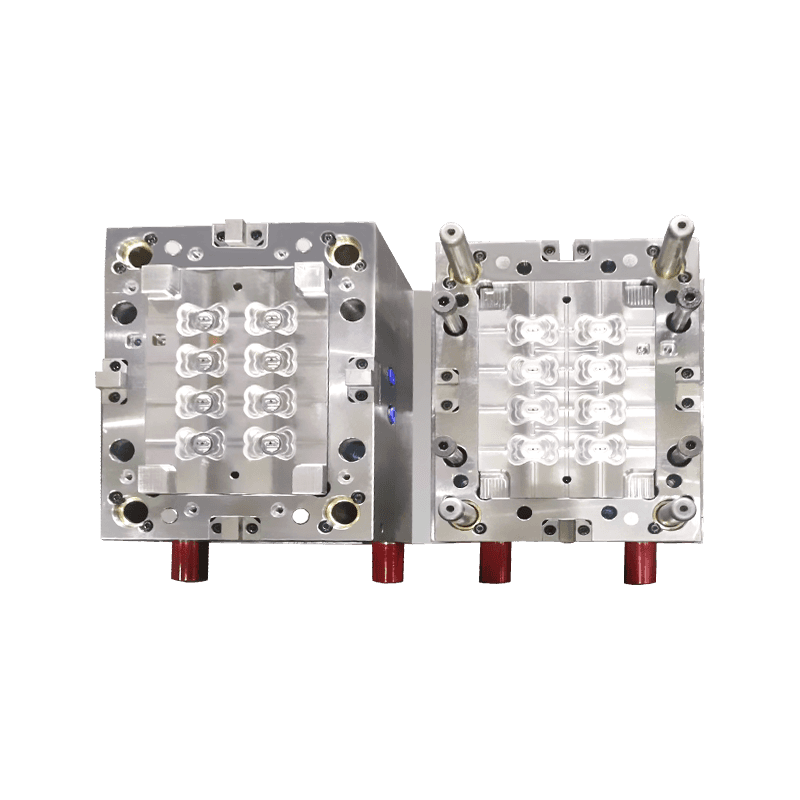
Pacifier molds are essential tools used in the manufacturing of pacifiers, also known as soothers or...
See Details+86-13616882963

We are committed to providing customers with high-quality, precision mold solutions.
Copyright © Taizhou Yiwei Mold Co., Ltd. All Rights Reserved.

Contact Us