

 English
 中文简体
中文简体 русский
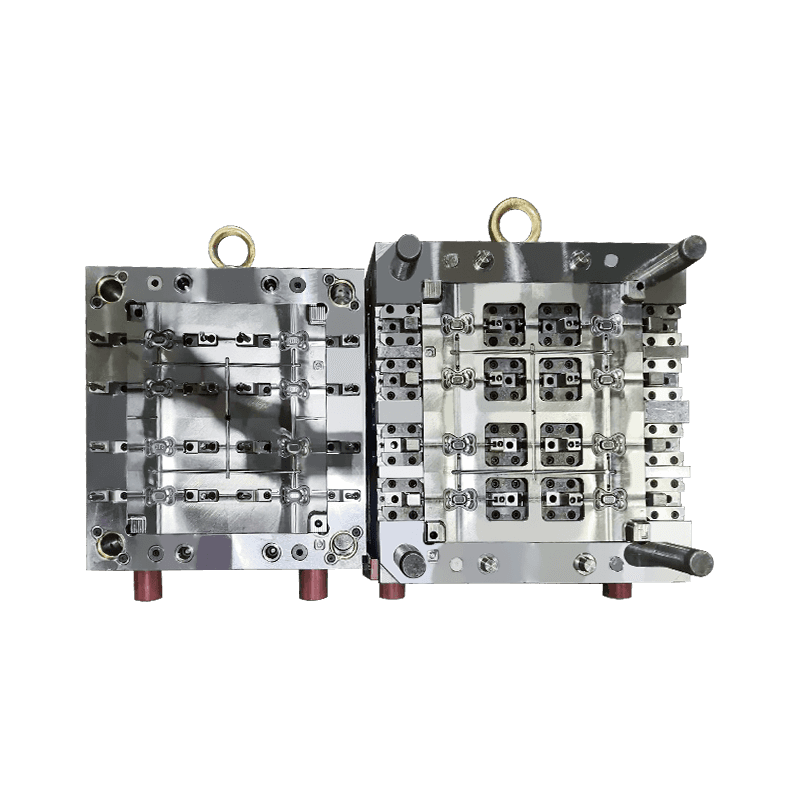
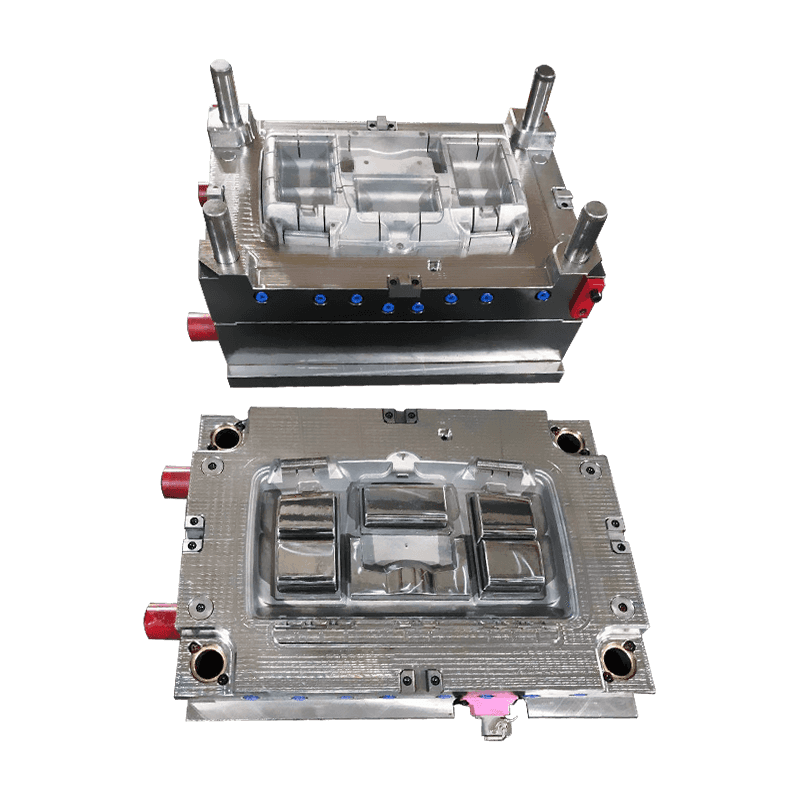
We are committed to providing customers with high-quality, precision mold solutions.
Toolbox Molds
Cat:Toolbox And Accessories Mold
Toolbox molds encompass a variety of types designed to produce different styles and sizes of toolbox...
See Details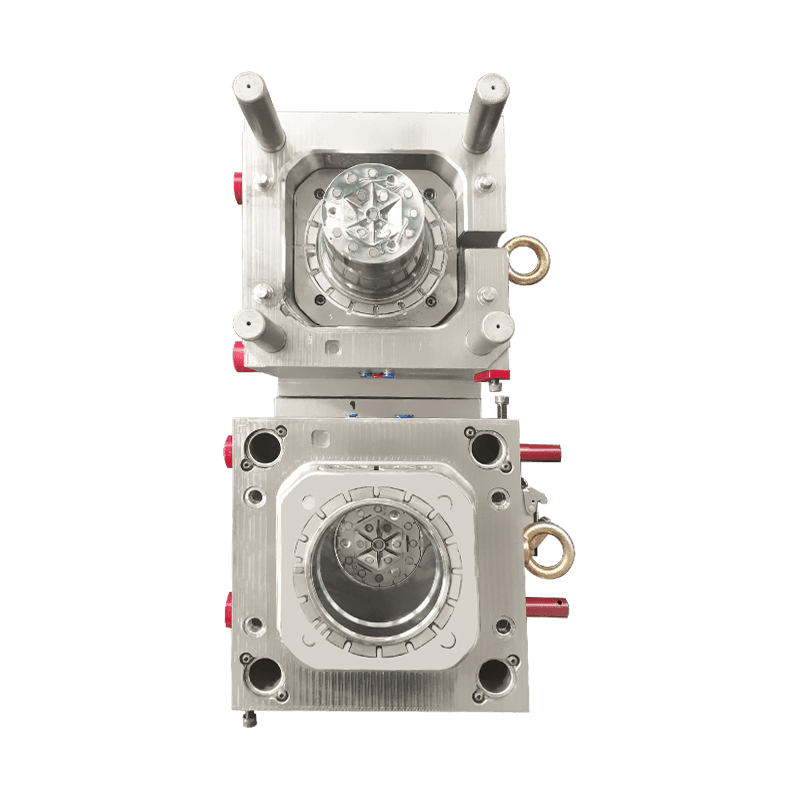
Modern industrial demand is reshaping how storage products are engineered, and Tool Box Mold development is no longer a simple cavity-and-core task. Structural reinforcement, integrated locking systems, and mobility-driven features are pushing mold architecture into more intricate configurations. Market data shows rising preference for modular and roll-around structures, which directly increases tooling complexity due to additional moving components and tighter tolerance requirements.
Tool box products today are no longer flat containers. Deep-draw geometry has become standard in many designs, requiring molds with:
Deep cavity shapes increase vacuum retention during demolding, which can deform finished parts if not handled correctly. Engineering teams often integrate venting channels and optimized draft angles ranging from 1°–3° per side to improve release stability. These adjustments directly influence mold steel layout and machining strategy.

Strength requirements have shifted toward lightweight but rigid construction. As a result, internal ribbing systems are frequently incorporated into tool box structures.
Typical design constraints include:
Such features introduce uneven cooling behavior. Thermal imbalance can trigger sink marks or warpage, especially in large surface areas. Cooling channel design becomes critical, often requiring conformal or semi-conformal layouts instead of straight-drilled circuits.
Functional integration has become a defining characteristic of modern tool box products. Handles, locking buckles, and stacking mechanisms often require undercuts, which cannot be formed using static cavity walls.
Common tooling solutions include:
Each additional moving system increases machining time and assembly precision requirements. Steel selection typically shifts toward P20 or H13 grades to handle repeated stress cycles and long production runs.
Production efficiency is heavily dependent on thermal control inside the mold body. Large tool box molds require uniform cooling to maintain dimensional accuracy across wide surfaces.
Engineering practices often include:
Poor thermal distribution can extend cycle time significantly and distort large flat panels. Simulation tools are commonly used to verify temperature consistency before steel cutting begins.
Flow control is another critical factor in Tool Box Mold engineering. Multi-gate or edge-gate systems are widely used to ensure even cavity filling.
Design considerations include:
Incorrect gate positioning can result in weld lines at structural stress points, reducing durability. Adjustments are often validated through flow simulation before final mold fabrication.
Large-scale molds demand high machining accuracy due to the combination of structural size and fine functional details. CNC multi-axis milling and EDM processes are frequently applied to achieve:
Even minor deviation in alignment can cause flash formation or improper sealing in latch zones. This increases inspection requirements during assembly and trial molding stages.
A growing product trend is modular tool storage systems. These allow stacking or interlocking between multiple boxes, which introduces alignment-sensitive geometry.
This trend adds complexity in several ways:
Tooling must maintain consistency across different product sizes within the same system family, increasing design validation workload.
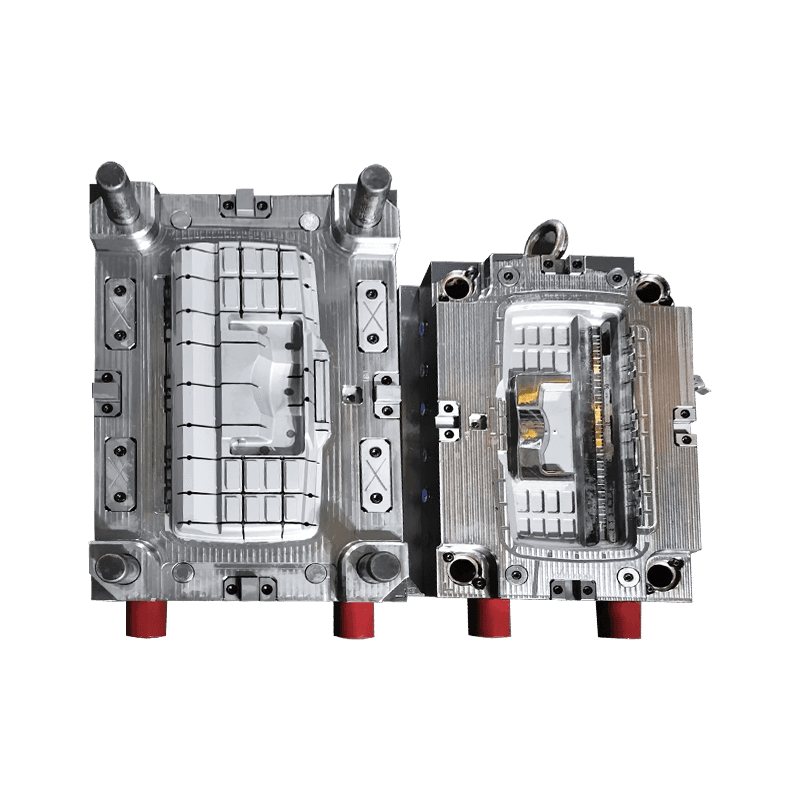
Toolbox molds encompass a variety of types designed to produce different styles and sizes of toolbox...
See Details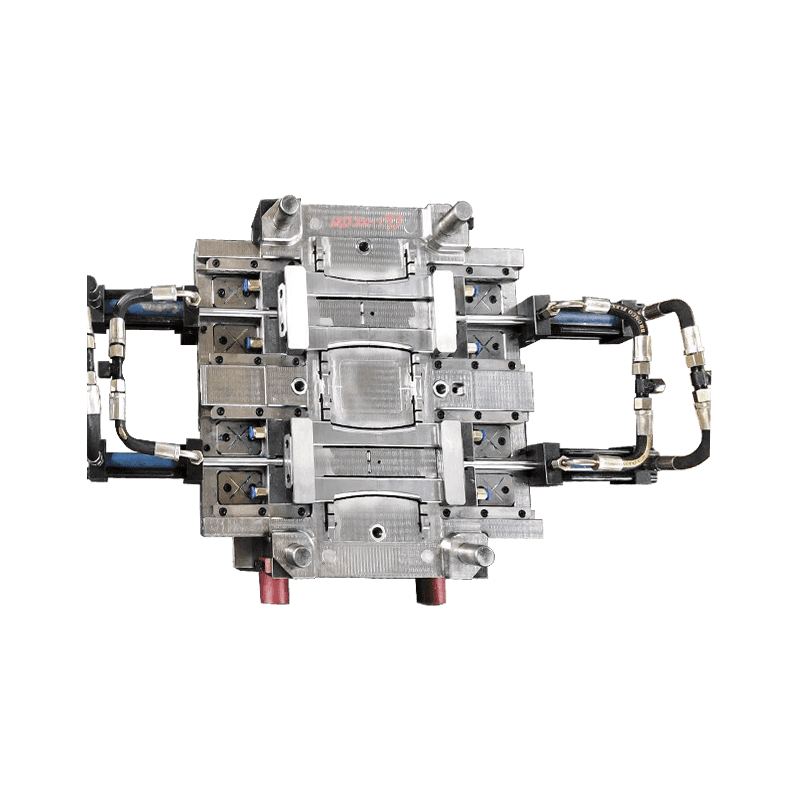
The handle of a toolbox is a critical component that directly impacts the overall functionality, usa...
See Details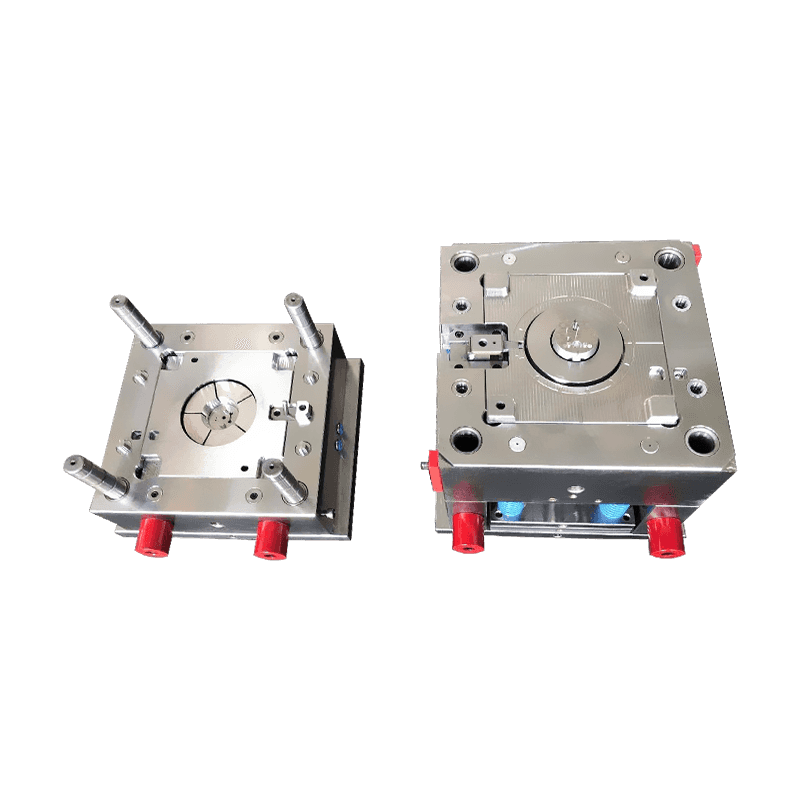
The duct exhaust fan shell mold is a special mold used to produce the duct exhaust fan shell. It use...
See Details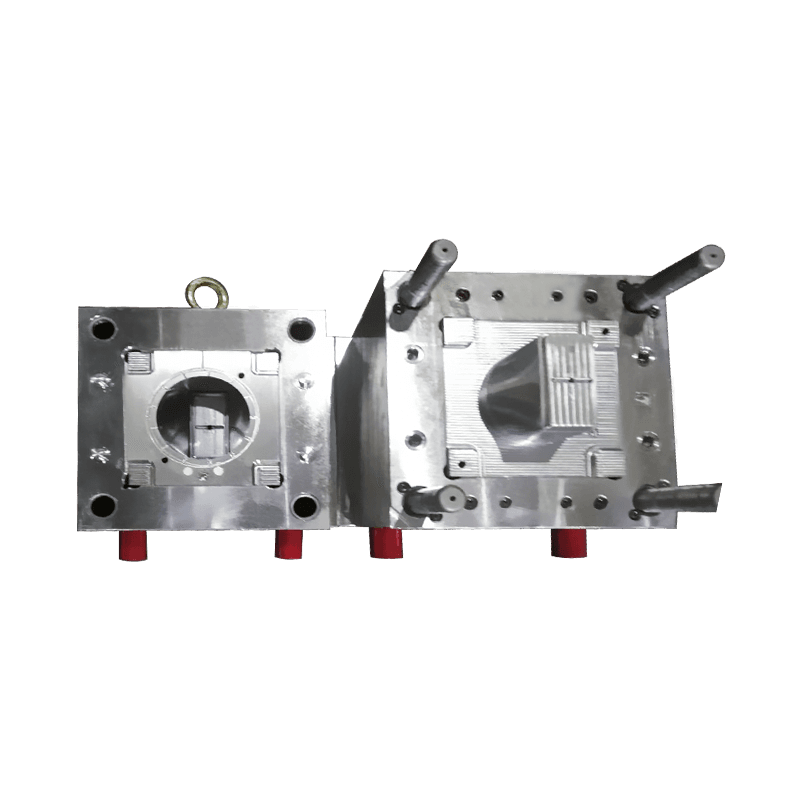
The mold for a ventilation duct interface is a critical component in the production of ventilation s...
See Details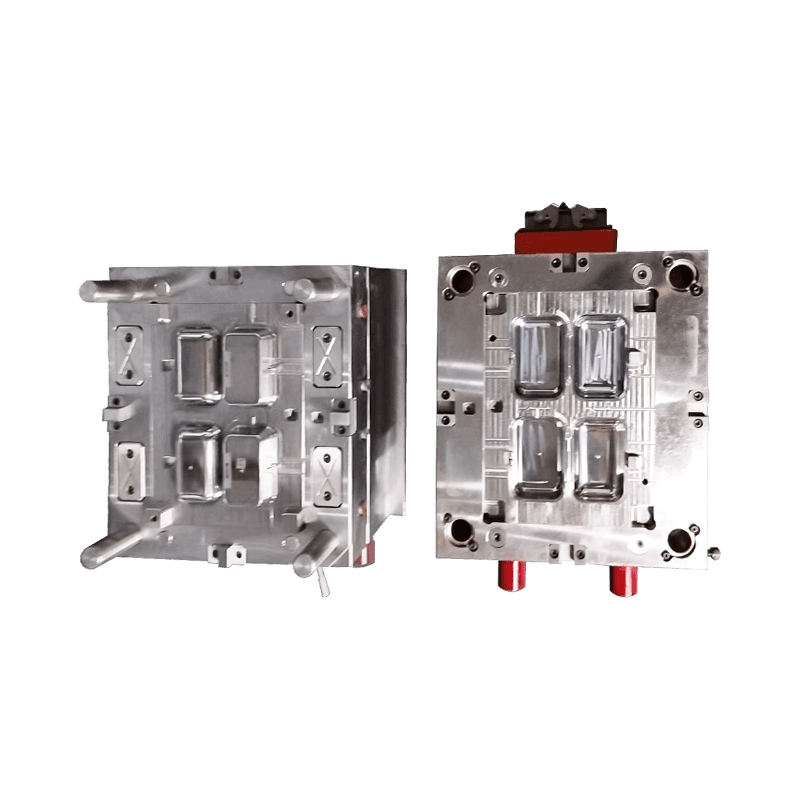
The soapbox mold is a key tool used to produce soap boxes. The shape and structure of the soap box a...
See Details
The production of fruit basket molds and the resulting fruit basket products can indeed be designed ...
See Details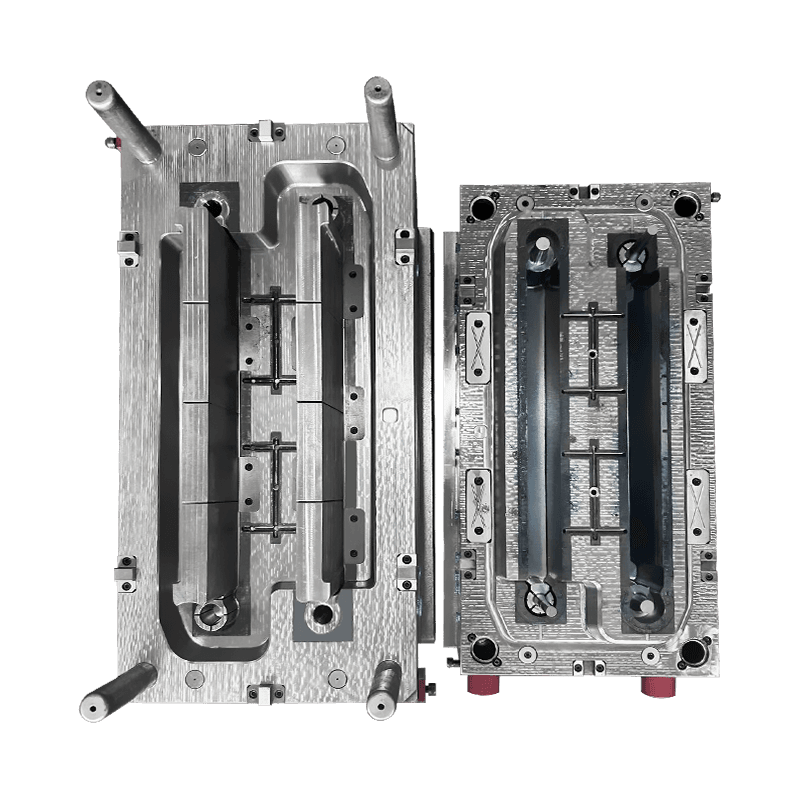
Garden fence mold products are special molds used to manufacture garden fences of various shapes and...
See Details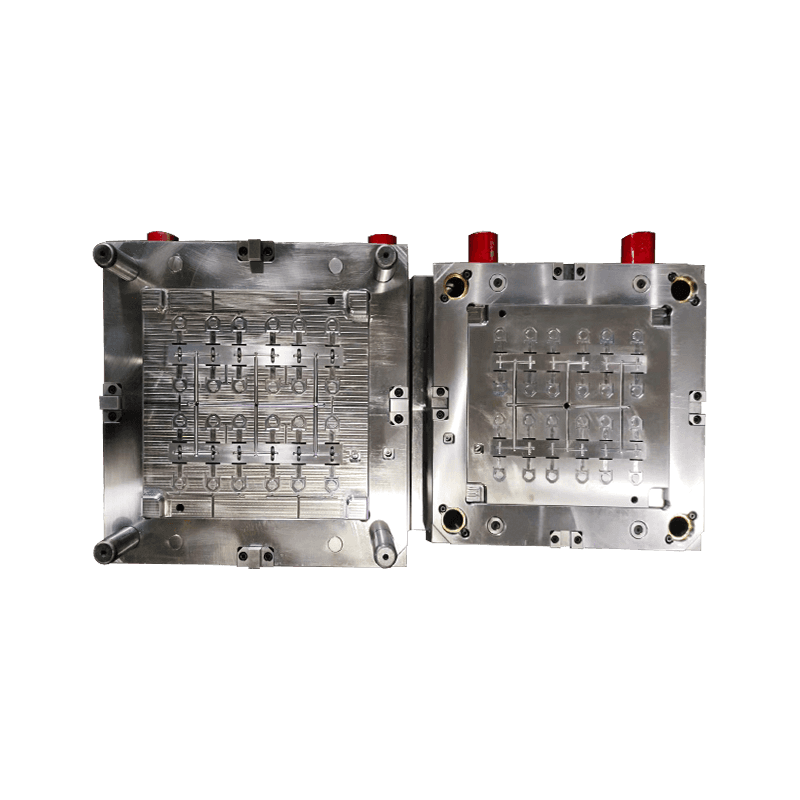
Tile spacer molds are essential tools used in the manufacturing of tile spacers, which are small, pl...
See Details+86-13616882963

We are committed to providing customers with high-quality, precision mold solutions.
Copyright © Taizhou Yiwei Mold Co., Ltd. All Rights Reserved.

Contact Us