

 English
 中文简体
中文简体 русский
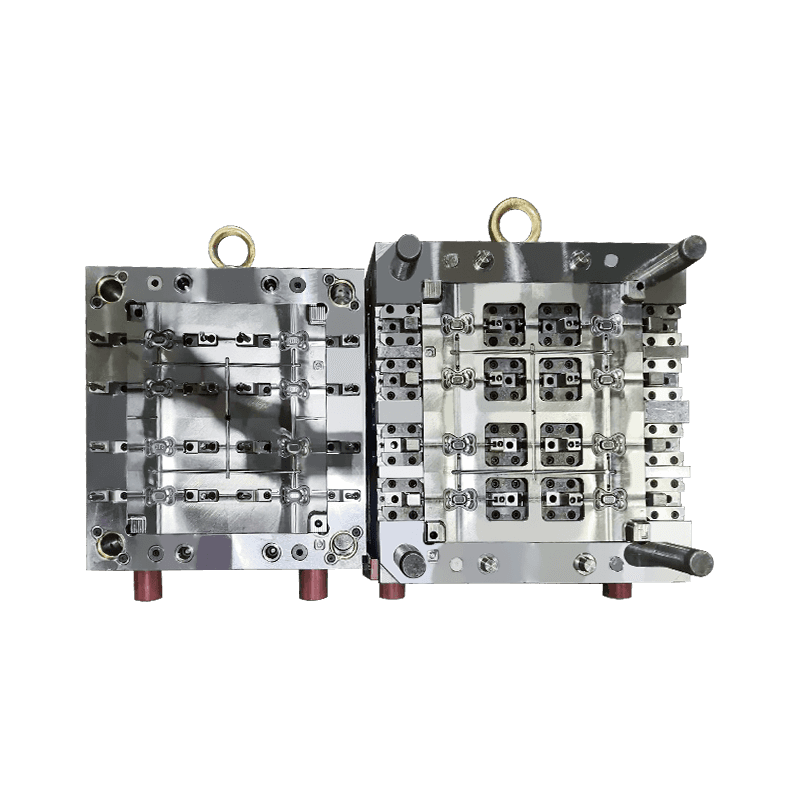
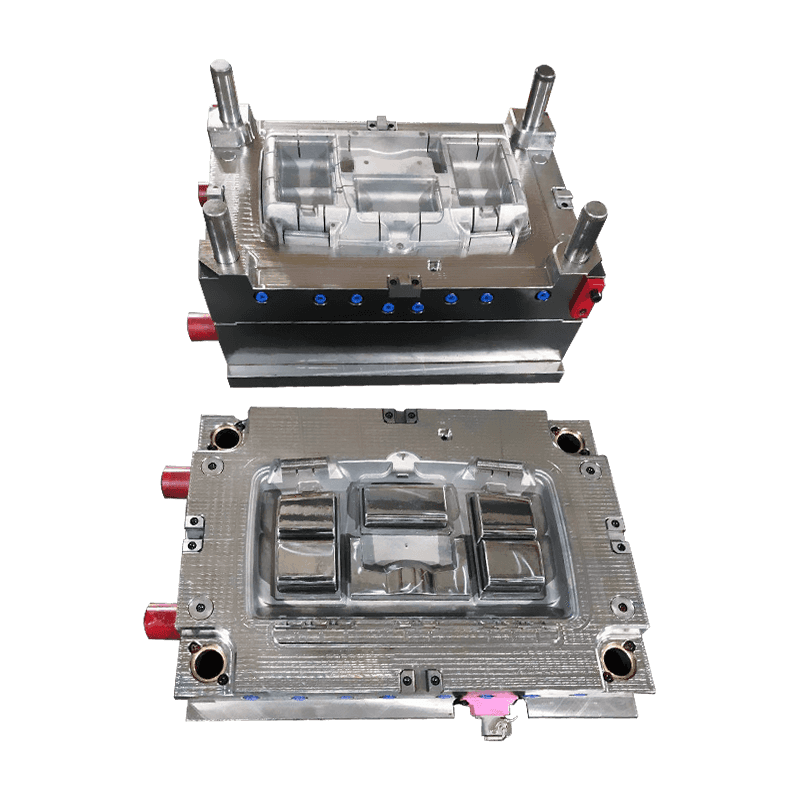
We are committed to providing customers with high-quality, precision mold solutions.
Toolbox Molds
Cat:Toolbox And Accessories Mold
Toolbox molds encompass a variety of types designed to produce different styles and sizes of toolbox...
See Details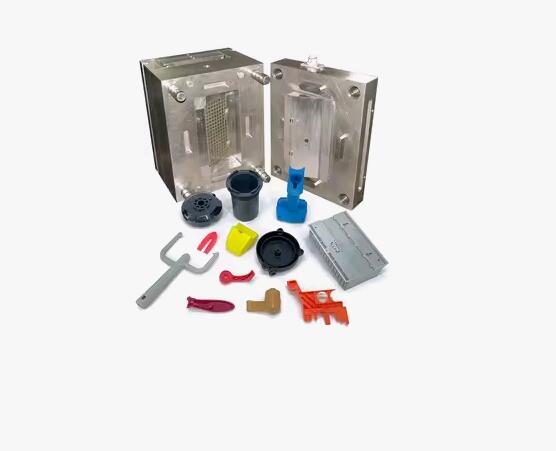
Material selection depends on expected production quantity and the type of plastic used.
Low-volume molds (1,000–50,000 cycles): Pre-hardened tool steel (P20, 28–32 HRC) or aluminum (7075-T6, 150 HB). P20 steel is machined in its pre-hardened state, requiring heat treatment only for repairs. Aluminum molds offer faster heat transfer (thermal conductivity 130 W/(m·K) vs. 29 W/(m·K) for P20 steel), reducing cooling time by 25–40%. However, aluminum wears faster—after 30,000 cycles, an aluminum mold shows 0.02–0.05 mm wear on shut-off surfaces, while P20 shows 0.005–0.01 mm. For 50,000 cycles, aluminum is acceptable for soft plastics (PP, PE) but not for abrasive materials (glass-filled ABS or nylon).
Medium-volume molds (50,000–500,000 cycles): Hardened tool steel (H13, 48–52 HRC; or 420 stainless, 50–54 HRC). H13 resists heat checking (fine surface cracks from thermal cycling) better than P20. After 300,000 cycles of ABS injection (melt temperature 230°C, mold temperature 40°C), H13 shows crack depth of 0.05–0.10 mm; P20 shows 0.15–0.30 mm. 420 stainless steel molds are specified for toys that contact food (teething toys) because the material resists corrosion from cleaning agents.
High-volume molds (500,000–2 million+ cycles): Premium tool steel (S7, 56–58 HRC; or D2, 58–60 HRC). S7 has high impact toughness—important for toys with thin cores (e.g., doll fingers or animal legs) that experience repeated ejection stress. D2 offers high wear resistance for abrasive plastics. For a 1-million-cycle mold producing ABS action figures, D2 steel shows 0.02–0.04 mm wear on slide surfaces; H13 would show 0.08–0.12 mm wear.
How does a plastic toy mold incorporate safety features for children's products?
Toy molds must produce parts that comply with safety standards such as ASTM F963 (US), EN 71 (Europe), and ISO 8124 (international). These standards require specific mold design features.
No sharp edges or points: The mold cavity must be designed so that all part edges have a minimum radius of 0.5 mm for children under 36 months, 0.3 mm for older children. The mold designer achieves this by adding fillets (concave radii) to all corners of the cavity. For example, the edge of a toy block has a 0.5 mm radius instead of a square corner. Molds without these fillets produce parts that fail the sharp-edge test (a blade wrapped in PTFE tape must not cut the tape when pulled along the edge).
Venting to prevent flash: Flash is a thin plastic film (0.05–0.3 mm thick) that escapes between mold parting lines. Flash can have sharp edges and can detach as a small fragment. Standards permit flash length up to 2 mm but thickness below 0.08 mm for toys intended for children under 3 years. Mold design achieves this through proper vent depth (0.02–0.04 mm for ABS, 0.01–0.03 mm for PP) and clamping force (150–250 tonnes per square meter of projected area). Molds producing flash above 0.10 mm thickness require regrinding of parting surfaces or inspection for foreign material trapped between mold halves.
Small parts prevention: For toys intended for children under 36 months, no component should fit entirely within a small parts cylinder (a test cylinder 31.7 mm diameter × 57.1 mm depth). The mold must produce parts that, after assembly, do not detach into smaller pieces. This means the mold design must avoid creating separable components smaller than the test cylinder. For example, the eyes of a stuffed toy are not molded into the fabric but are embroidered; a molded plastic toy with insert-molded eyes requires pull testing to confirm the eyes withstand 90 N of force without detaching.
What defects commonly appear in toy molds, and how are they corrected?
Sink marks (depressions on thick sections): Appear on the outer surface opposite internal ribs or bosses. For a 3 mm thick wall with a 2 mm thick rib, a sink mark of 0.1–0.3 mm depth may appear. Correction methods include: reducing rib thickness to 50–60% of wall thickness (e.g., 1.5 mm rib for 3 mm wall); increasing holding pressure from 40–60 MPa to 70–90 MPa; extending holding time by 1–2 seconds; or adding a second gate near the thick section. Sink marks are cosmetic defects, but toys with painted surfaces show the depression clearly. A sink mark exceeding 0.2 mm depth is detectable by running a fingernail across the surface and is considered a defect for premium toy grades.
Weld lines (visible lines where two flow fronts meet): Occur around holes or where multiple gates converge. At the weld line, tensile strength is 30–70% of the base material value. For a toy that will be bent (e.g., action figure arm), a weld line positioned at the pivot point leads to breakage after 500–1,000 bending cycles. Correction involves: increasing melt temperature by 10–20°C; adding a vent (0.02 mm depth) at the weld line location to allow air escape; relocating gates so that weld lines occur in low-stress areas; or increasing injection speed by 20–40% to promote fusion. A well-designed mold produces weld lines that break at 80% or more of base material strength.
Ejection mark or deformation: Occurs when the ejector pins push against a still-warm part. The pin leaves a circular mark (0.5–2.0 mm diameter) that may be indented (0.05–0.2 mm) or show a raised burr. Correction: increase cooling time by 15–30% to allow part solidification; increase ejector pin diameter (e.g., from 2 mm to 4 mm) to distribute force; add ejector pins to reduce local pressure; or polish ejector pin faces to SPI B-1 finish (0.05–0.10 µm Ra) to reduce sticking. For visible surfaces, ejector pins must be placed on non-cosmetic areas (e.g., internal surfaces or part edges).
Short shot (incomplete filling): The cavity does not fill, leaving a missing section. Correction path: increase injection pressure by 10–20% up to 150 MPa maximum for standard machines; increase melt temperature (PP from 200°C to 220°C; ABS from 220°C to 240°C); check for blocked gate or runner (clean if needed); verify that vent depth is sufficient (re-cut vents to 0.02–0.04 mm if worn closed). A short shot rate above 0.5% indicates a mold or process problem requiring maintenance.
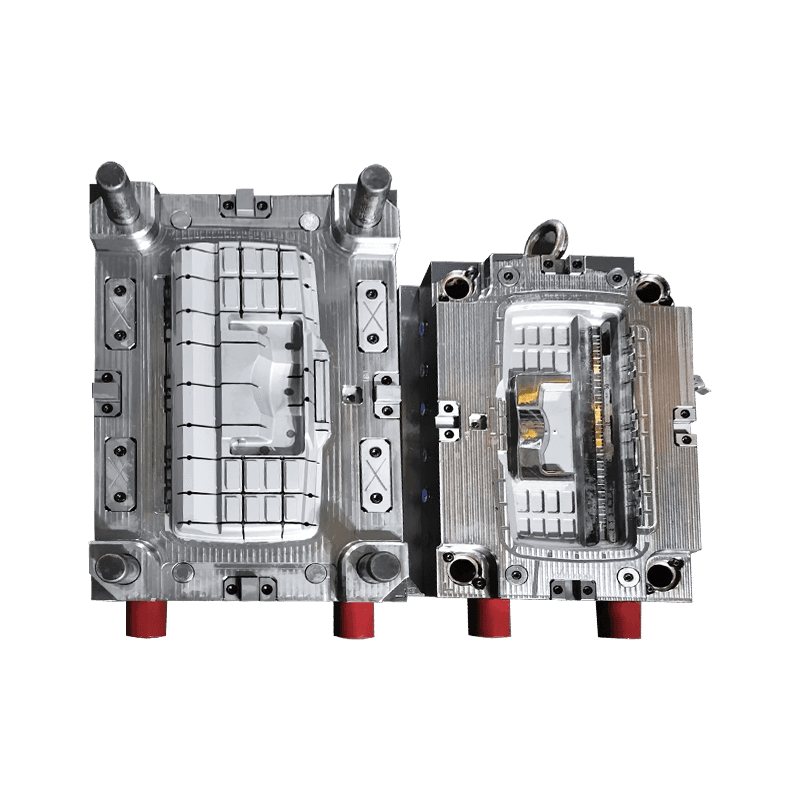
Toolbox molds encompass a variety of types designed to produce different styles and sizes of toolbox...
See Details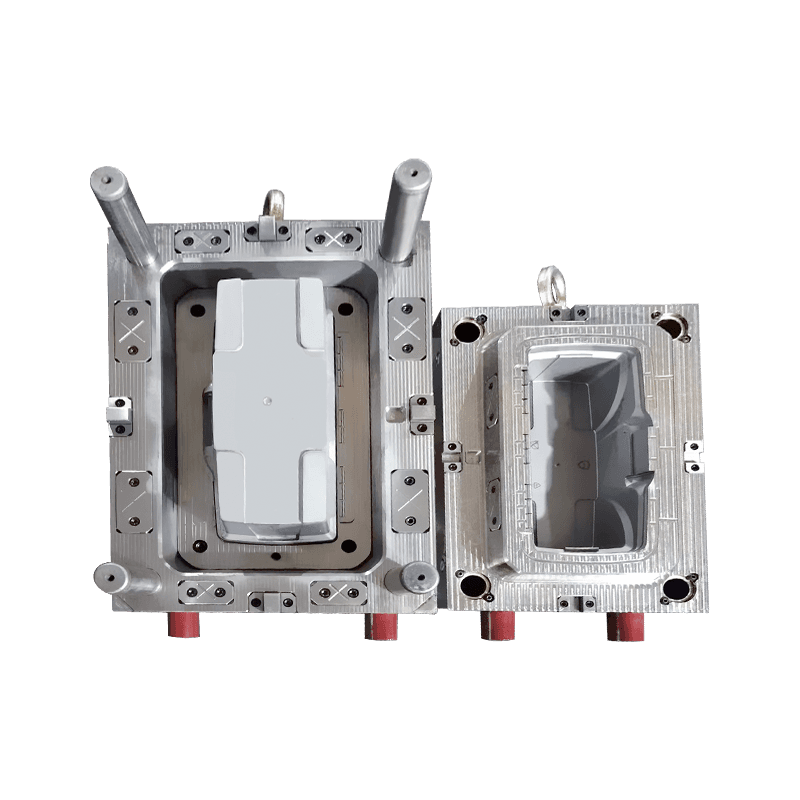
Toolbox shell molds play a pivotal role in the production of the outer casing or shell of toolboxes....
See Details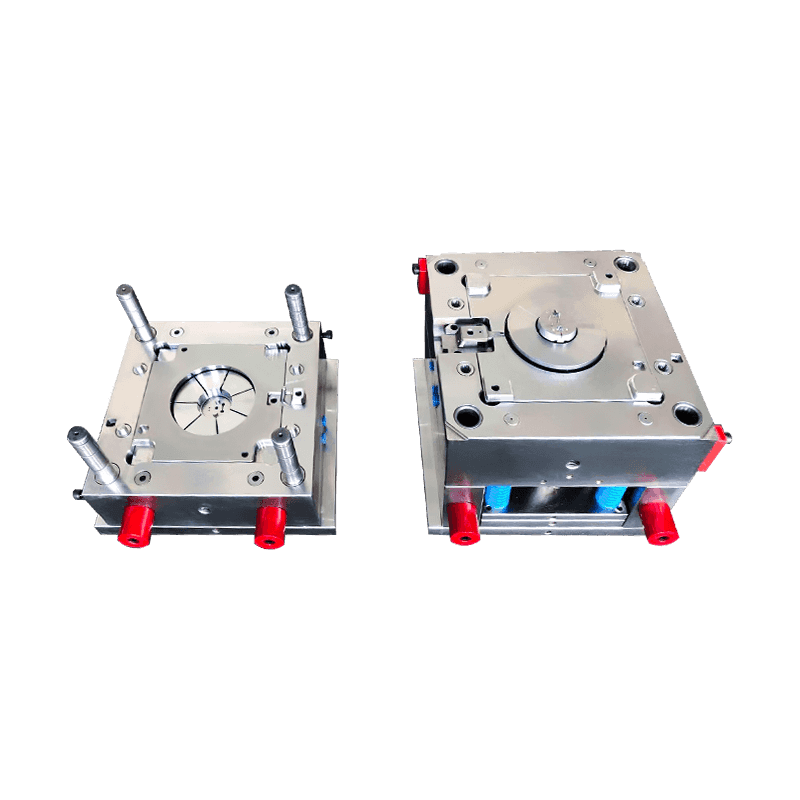
Ventilation fan molds are essential tools used in the manufacturing of ventilation fans, which play ...
See Details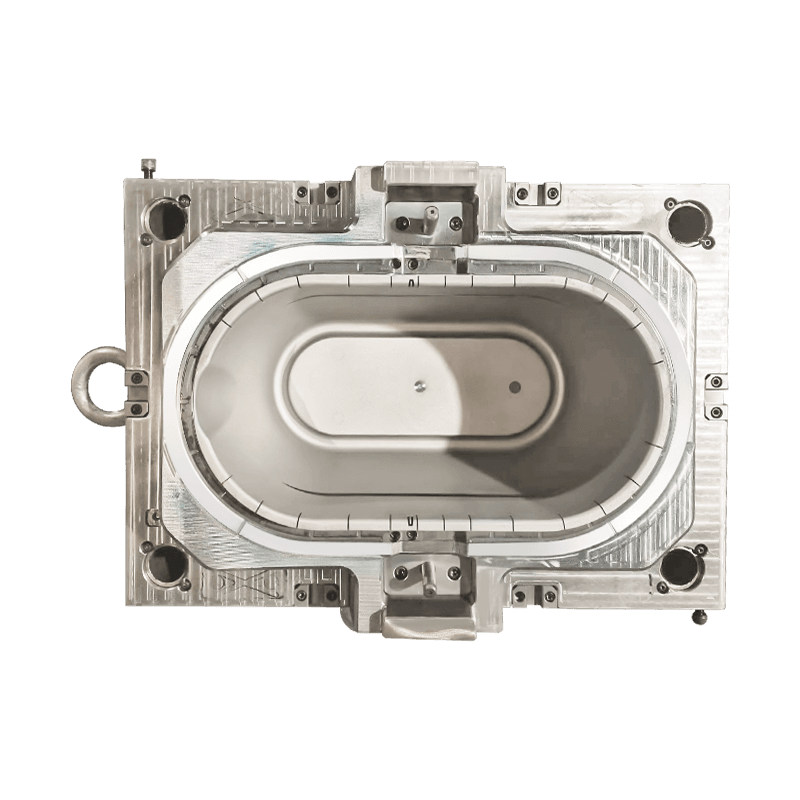
The manufacturing process of water bucket molds involves several distinctive features. From the pers...
See Details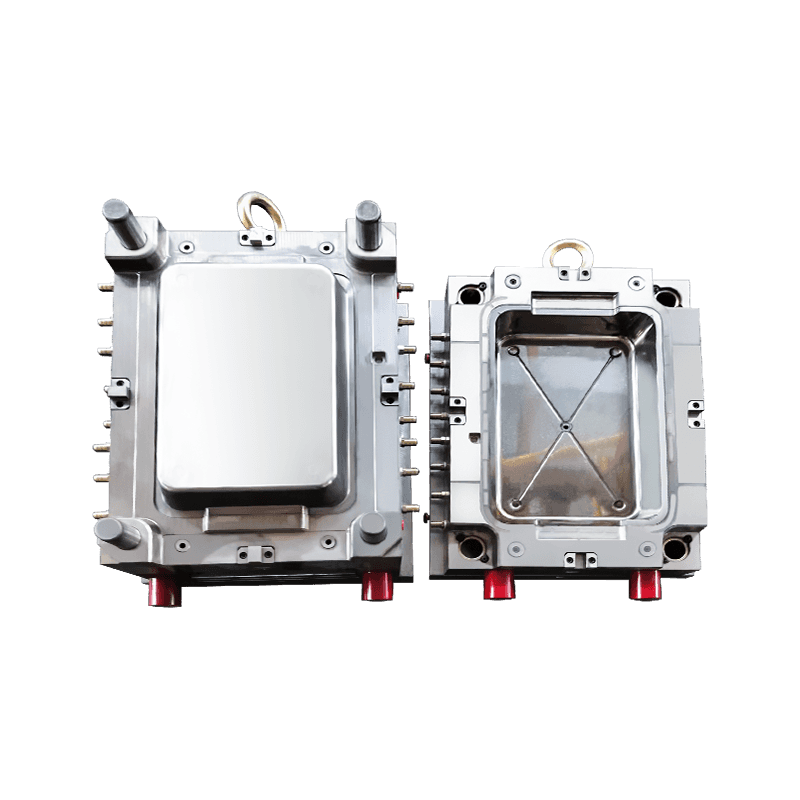
The production of fruit basket molds and the resulting fruit basket products can indeed be designed ...
See Details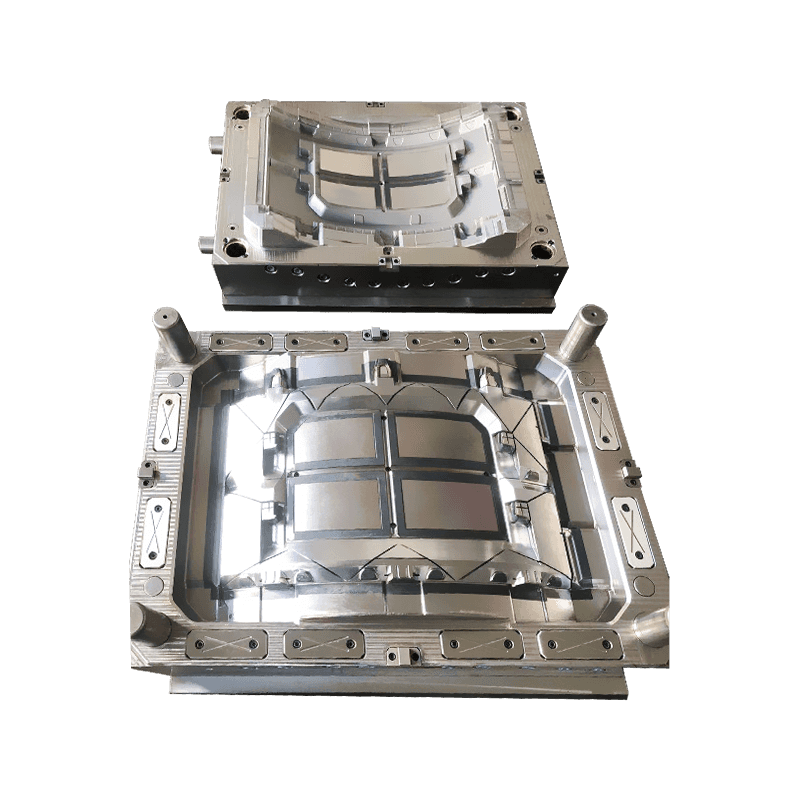
Seedling planting box molds play a crucial role in the cultivation of flowers, vegetables, and fruit...
See Details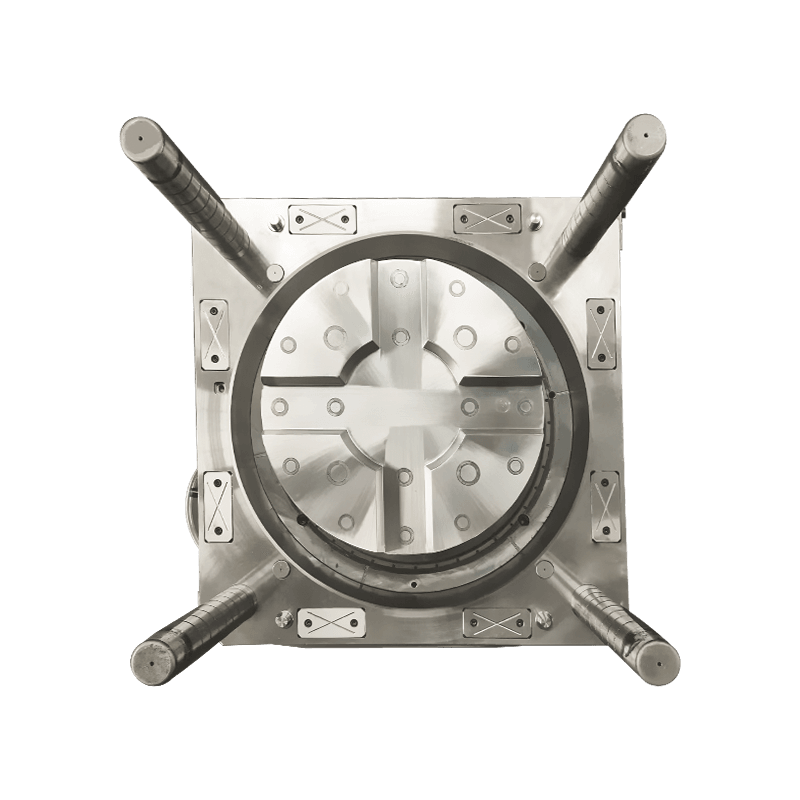
Flower pot molds are special molds used to manufacture flower pots of various shapes and styles. The...
See Details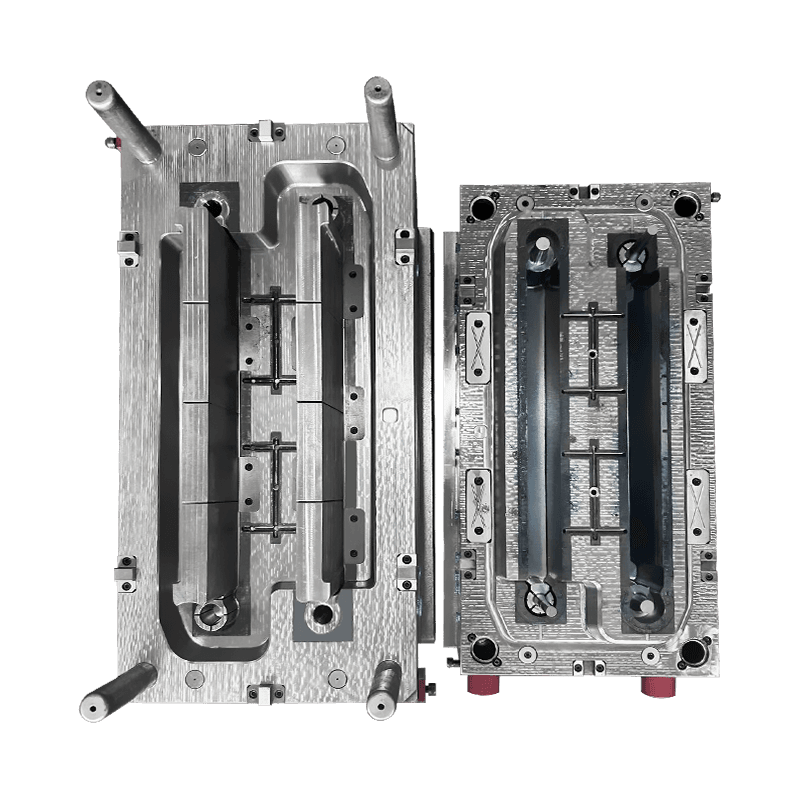
Garden fence mold products are special molds used to manufacture garden fences of various shapes and...
See Details+86-13616882963

We are committed to providing customers with high-quality, precision mold solutions.
Copyright © Taizhou Yiwei Mold Co., Ltd. All Rights Reserved.

Contact Us