

 English
 中文简体
中文简体 русский
We are committed to providing customers with high-quality, precision mold solutions.
Toolbox Molds
Cat:Toolbox And Accessories Mold
Toolbox molds encompass a variety of types designed to produce different styles and sizes of toolbox...
See Details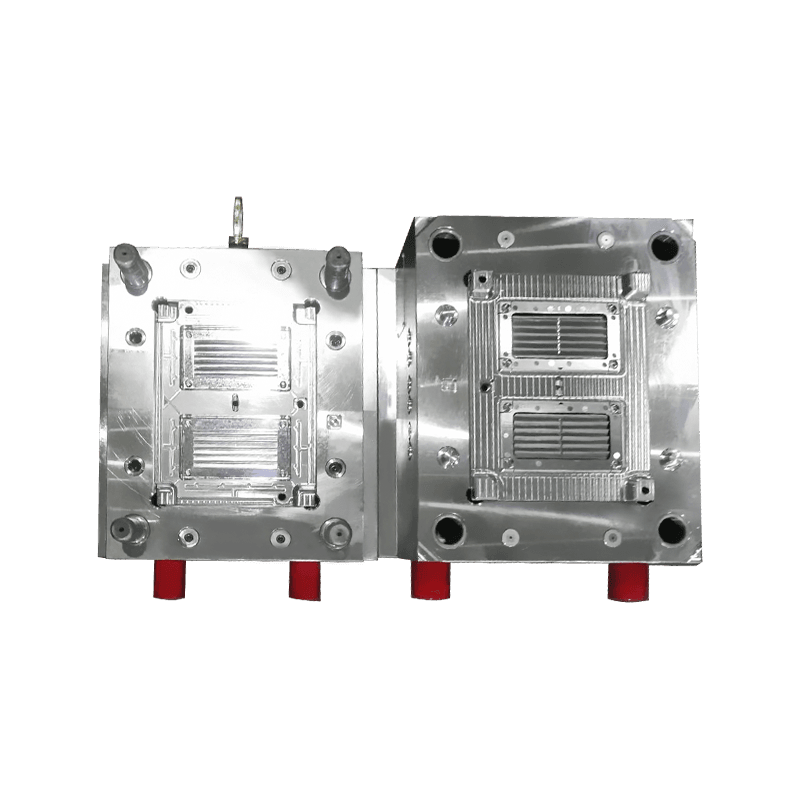
Tool box molds are specialized molds used in the manufacturing of plastic or metal tool storage boxes. These molds are essential for producing durable, precise, and functional tool boxes for both professional and domestic use. Tool box molds enable manufacturers to create products efficiently while maintaining consistent quality and shape.
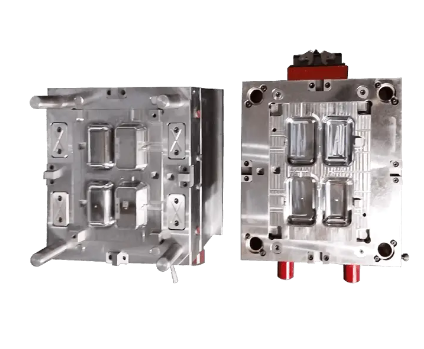
Tool Box Mold
Design and Applications
Tool box molds are generally designed using injection molding or blow molding techniques, depending on the material and intended use. Key features include:
Precision cavities: Mold cavities are shaped to produce the tool box body, lid, and compartments accurately.
Hinge and handle integration: Certain molds incorporate structures for handles and hinges to reduce assembly time.
Stackable or modular designs: Some molds allow the creation of tool boxes that can be stacked or connected with other boxes.
Applications of tool box molds include:
Plastic tool boxes: Commonly used for household and small workshop tools.
Metal tool boxes: Produced for industrial or heavy-duty tool storage needs.
Organizational inserts: Some molds produce trays or compartments to improve tool organization.
By creating precise and repeatable shapes, these molds ensure that tool boxes meet functional requirements and user expectations. Mold design may include cooling channels, ejector pins, and reinforcement ribs to support structural integrity and production efficiency.
Advantages in Production
Tool box molds provide practical benefits in manufacturing:
Mass production efficiency: Multiple tool boxes can be produced consistently from a single mold.
Material savings: Molded components reduce excess material use, lowering costs.
Customization: Molds can be modified to create different box sizes, lid types, and compartment layouts.
These advantages allow manufacturers to deliver a variety of tool boxes suited to specific market needs.
What Are the Problems with Tool Box Molds?
Despite their advantages, tool box molds present several challenges related to durability, precision, and production efficiency. Manufacturers need to address these issues to maintain quality and reduce downtime.
Wear and Tear
Repeated use of tool box molds can bring about mechanical wear, including:
Cavity erosion: The mold surfaces can wear down over time, reducing the precision of the tool box walls.
Damage to moving parts: Ejector pins, sliders, and hinge inserts can become worn or misaligned.
Surface scratches: Minor scratches may affect the cosmetic appearance of the tool boxes.
Regular maintenance and careful monitoring of mold usage are necessary to prevent these problems from affecting the finished product.
Material and Processing Challenges
Tool box molds must handle high temperatures and pressure during molding, which can cause:
Deformation: Poor cooling or uneven pressure may result in warped boxes.
Inconsistent thickness: Variations in material flow can bring about weak points in the tool box walls.
Mold sticking: Plastic may adhere to mold surfaces, requiring additional cleaning or release agents.
Selecting suitable materials and maintaining proper processing parameters is essential to minimize these issues.
Design Complexity
Complex tool box designs can increase production challenges:
Multi-cavity molds: Producing multiple parts simultaneously may bring about uneven filling and defects.
Integrated compartments and hinges: Additional features increase mold complexity, making alignment and maintenance more critical.
Cooling requirements: Complex shapes may require more elaborate cooling channels to prevent warping and reduce cycle time.
Manufacturers need skilled operators and precise equipment to handle these complexities efficiently.
Cost and Replacement Considerations
Tool box molds are a significant investment. Problems such as wear, damage, or design changes can bring about:
High repair or replacement costs
Production downtime
Increased material waste
Planning for maintenance schedules and using high-quality mold materials can mitigate some of these costs, but they remain an important consideration for manufacturers.
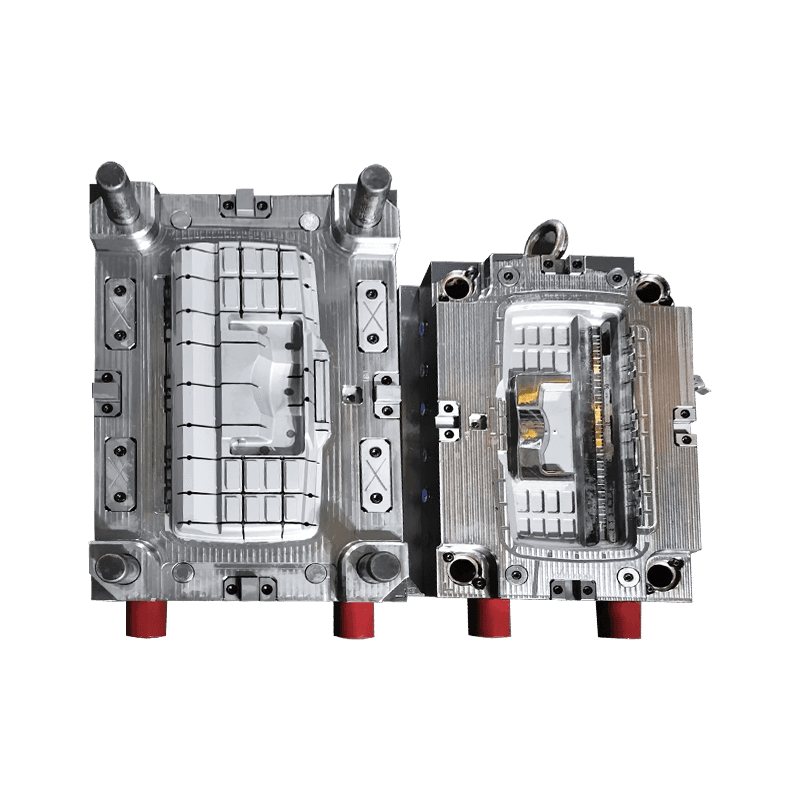
Toolbox molds encompass a variety of types designed to produce different styles and sizes of toolbox...
See Details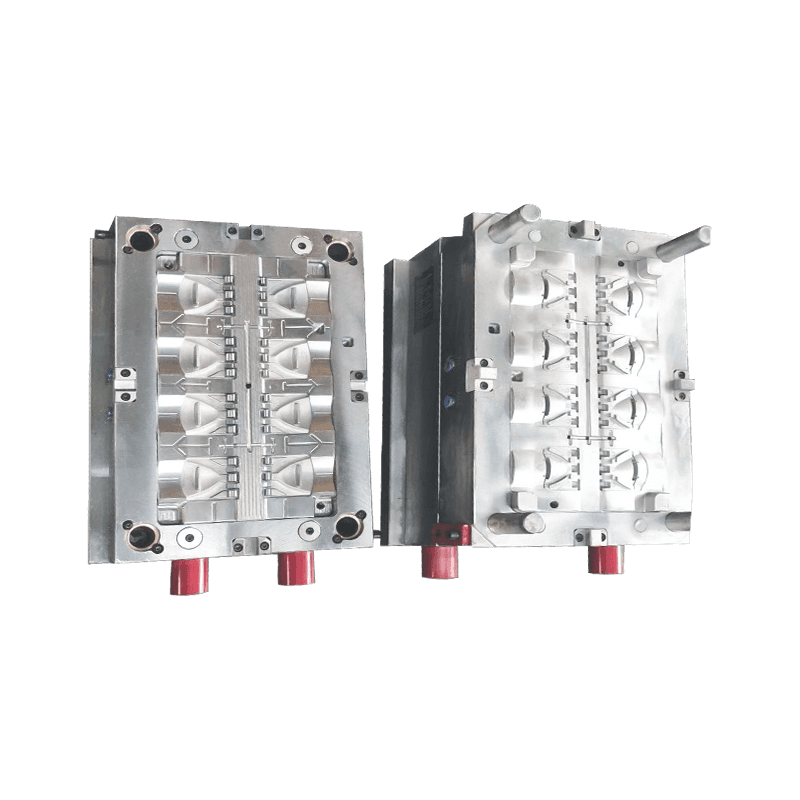
Toolbox latch molds are crucial components in the manufacturing process of toolboxes, providing secu...
See Details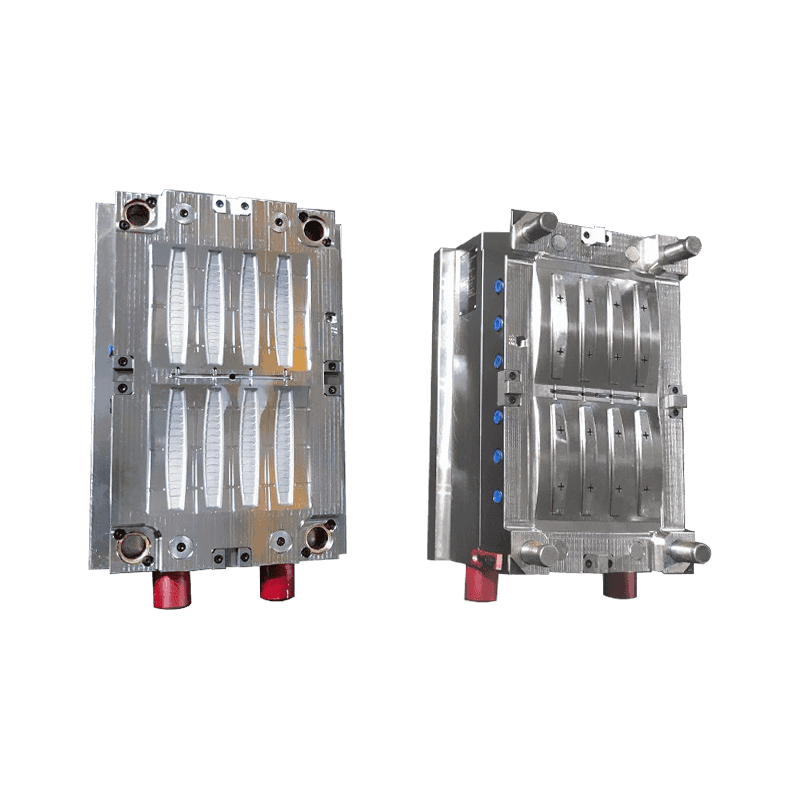
Toolbox handle trim molds play a crucial role in enhancing the functionality, aesthetics, and ergono...
See Details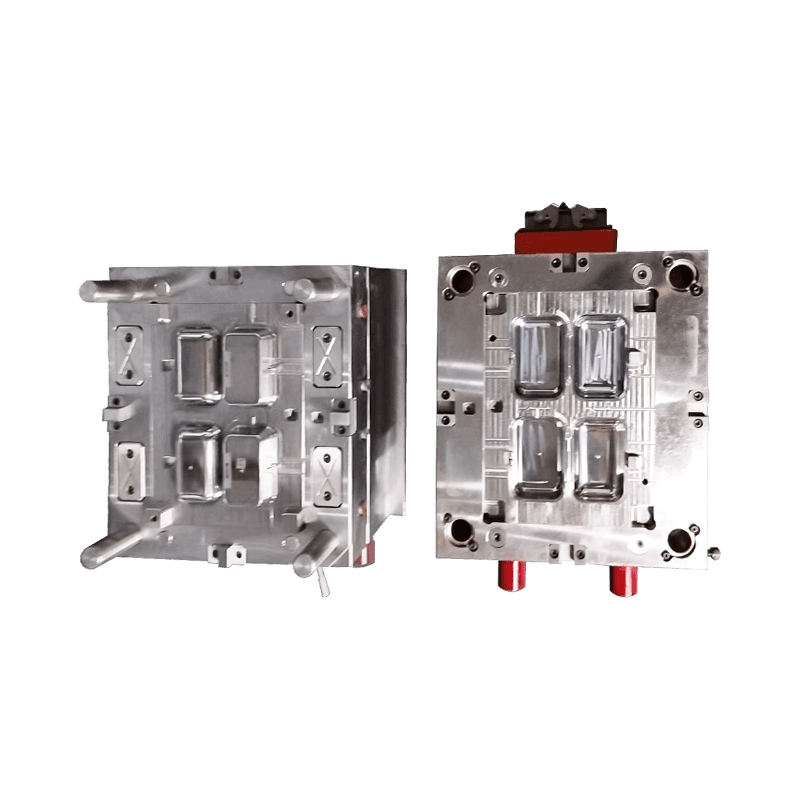
The soapbox mold is a key tool used to produce soap boxes. The shape and structure of the soap box a...
See Details
The design of the fruit and vegetable washing basket mold is crucial in balancing practicality and a...
See Details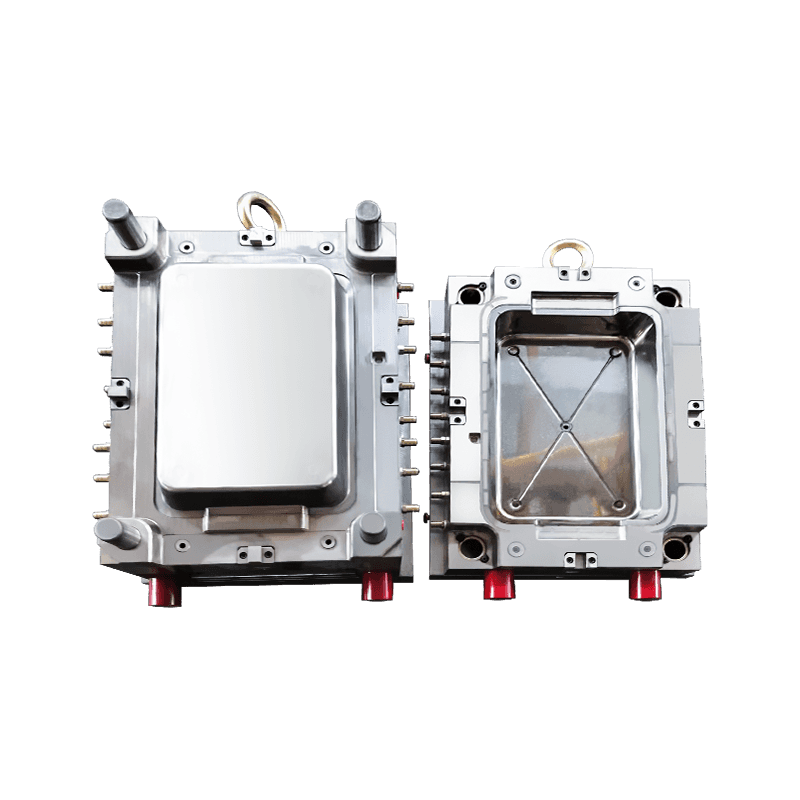
The production of fruit basket molds and the resulting fruit basket products can indeed be designed ...
See Details
Production Capabilities and Quality Testing Standards for Medical Test Tube Mold Factories:A medical...
See Details
Toy racket mold is a key tool specially used to manufacture toy rackets. These molds precisely shape...
See Details+86-13616882963

We are committed to providing customers with high-quality, precision mold solutions.
Copyright © Taizhou Yiwei Mold Co., Ltd. All Rights Reserved.

Contact Us