One common concern is understanding the different types of molds used in toy production. The answer depends on the complexity, material, and production volume required.
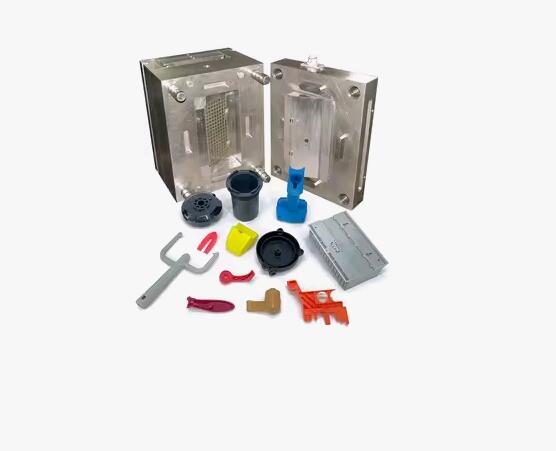
Two-Plate Molds
Used for simple toys with basic shapes. The mold has a fixed and a moving plate, which opens and closes for part ejection.
Three-Plate Molds
Include an extra runner plate between the fixed and moving plates. Useful for multi-cavity molds or toys with intricate designs.
Hot Runner Molds
Keep the plastic in a molten state within the channels, reducing waste and improving cycle time.
Cold Runner Molds
Simpler design where the plastic solidifies in the runner. These molds are less expensive but generate more scrap material.
Insert Molds
Allow pre-made components, such as metal or rubber parts, to be embedded in the toy during molding.
Stack Molds
Multiple layers of cavities allow high-volume production without increasing mold size.
Each mold type is selected based on production requirements, material type, and toy design.
How Can Manufacturers Ensure Safety in Plastic Toy Molding?
Safety is a major concern for plastic toy molds, particularly when producing items for children. Manufacturers follow specific practices:
Material Selection
Only non-toxic, food-grade, or child-safe plastics should be used. Avoid materials containing harmful chemicals.
Precision and Quality Control
Molds should be designed to prevent sharp edges, small detachable parts, or defects that could be hazardous.
Testing and Compliance
Finished toys must comply with local and international safety standards. Testing for durability, chemical safety, and choking hazards is required.
Maintenance of Molds
Regular inspection and cleaning prevent contamination and ensure the mold produces consistent and safe parts.
By following these steps, manufacturers reduce risks and ensure toys meet regulatory requirements.
What Are the Operational Challenges of Plastic Toy Molds?
Manufacturers often ask about operational issues associated with toy molds. Key challenges include:
Ejection Problems
Improperly designed ejector pins can damage parts or slow production.
Cooling Inefficiency
Uneven cooling may cause warping or shrinkage of toy components.
Wear and Tear
Frequent production cycles can cause mold degradation, particularly on intricate details or thin walls.
Material Flow Issues
Poorly designed runners or gates may result in incomplete filling, bubbles, or surface defects.
Understanding these challenges allows manufacturers to optimize mold design and production processes.
How Should Plastic Toy Molds Be Maintained?
Proper maintenance ensures molds remain reliable and safe over long production cycles. Bullet points highlight common practices:
Clean molds after each production run to remove residue or debris.
Lubricate moving parts, such as ejector pins and slides, to prevent friction damage.
Inspect cavities and runners for wear or corrosion.
Monitor cooling channels to prevent blockages or leaks.
Store molds in a controlled environment to avoid moisture or rust.
Perform periodic precision checks to ensure alignment and dimensional accuracy.
Routine maintenance extends mold life, maintains part quality, and prevents defects that could compromise toy safety.
Plastic toy molds play a critical role in the safe and efficient production of toys. Common questions from manufacturers and operators focus on mold types, safety practices, operational challenges, and maintenance. Understanding these aspects ensures that toys are produced with consistent quality, meet safety regulations, and provide reliable performance throughout production. Proper material selection, precise mold design, and regular upkeep allow manufacturers to maintain efficiency while protecting end users.



 English
 中文简体
中文简体 русский


Contact Us