

 English
 中文简体
中文简体 русский
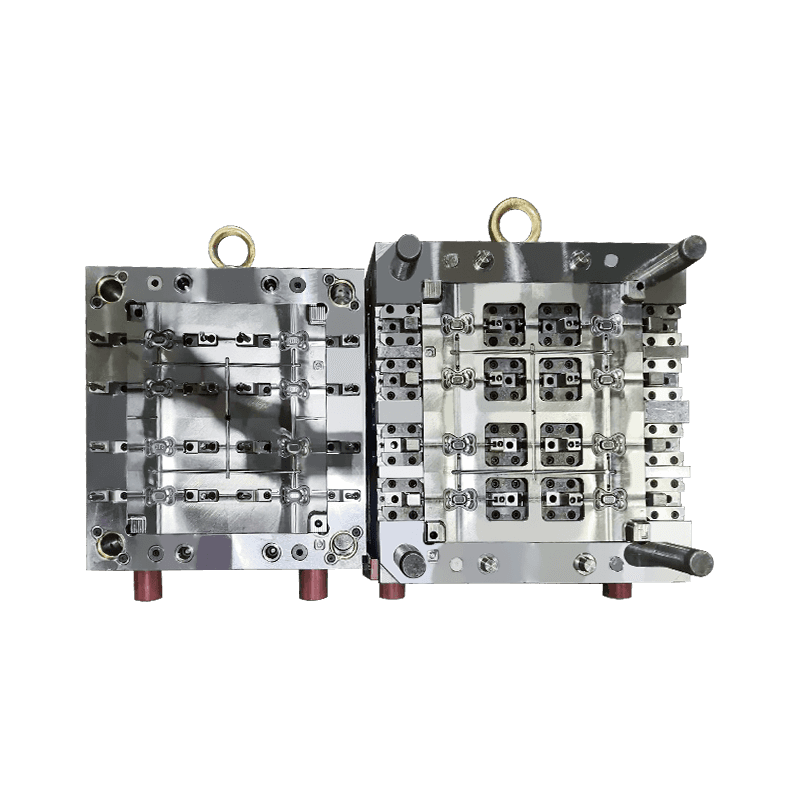
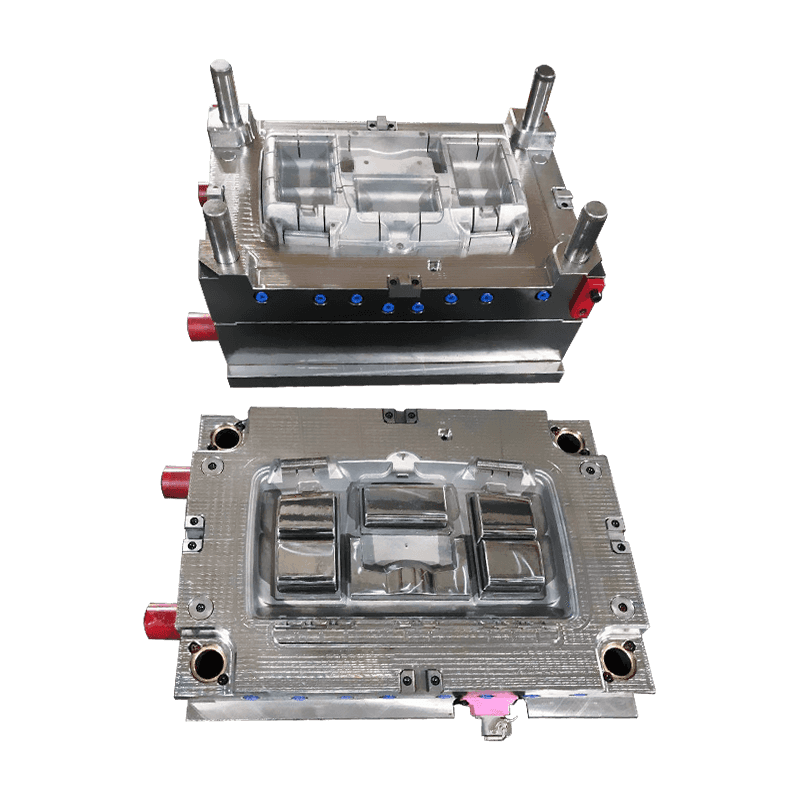
We are committed to providing customers with high-quality, precision mold solutions.
Toolbox Molds
Cat:Toolbox And Accessories Mold
Toolbox molds encompass a variety of types designed to produce different styles and sizes of toolbox...
See Details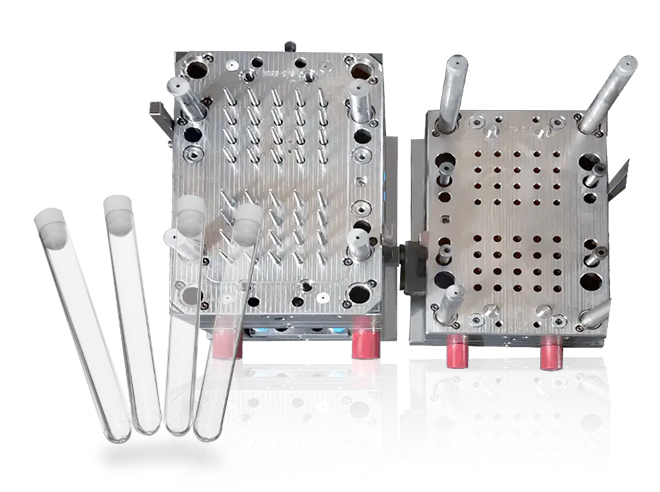
Medical injection molds are specialized molds used in the production of plastic components for medical and healthcare applications. These molds allow manufacturers to produce items such as syringes, inhalers, surgical instruments, test tubes, and other disposable or reusable medical devices. The use of injection molding in medical production ensures consistent quality, precision, and efficiency, which are essential for compliance with safety and regulatory standards.
What Types of Medical Injection Molds Are There?
Medical injection molds can be classified based on the intended product, the material used, and the production process. These classifications affect mold design, production efficiency, and product quality.
By Product Type
Medical injection molds are often categorized according to the type of medical product they produce:
Syringe molds: Used to produce barrels, plungers, and caps with precise dimensions to ensure smooth operation and accurate dosage.
Surgical instrument molds: Create components like forceps, clamps, and disposable scissors, often requiring complex shapes and precise tolerances.
Diagnostic device molds: Include molds for test tubes, petri dishes, pipette tips, and other laboratory consumables.
Inhaler and drug delivery molds: Designed for respiratory devices and other medication delivery systems, often requiring multi-component assembly.
These molds are tailored to the specific requirements of each medical application, ensuring functionality, sterility, and compatibility with medical standards.
By Material
The type of material used in medical injection molds affects durability, safety, and processing requirements:
Polypropylene (PP): Commonly used for syringes and test tubes due to its chemical resistance and sterilization tolerance.
Polycarbonate (PC): Offers high transparency and dimensional stability, suitable for reusable devices and instruments requiring clarity.
Polyethylene (PE): Often used for disposable components that need flexibility and resistance to moisture.
Medical-grade ABS or nylon: Applied for parts that require strength, impact resistance, or complex geometries.
Material selection is critical in ensuring compliance with biocompatibility and sterilization standards required in medical applications.
Why Is Medical Injection Mold Worth Buying?
Investing in medical injection molds offers practical benefits for manufacturers focused on precision, efficiency, and regulatory compliance.
Consistency and Precision
Medical injection molds allow high precision and consistent production quality:
Dimensional accuracy: Critical for components such as syringes and inhalers where small deviations may affect performance.
Repeatable quality: A single mold can produce thousands of identical components, supporting high-volume production.
Reduced defects: Properly designed molds minimize material flow issues, warping, and surface defects.
Consistency is particularly important in medical devices where precise measurements, tight tolerances, and operational reliability are essential.
Production Efficiency
Injection molds support efficient and cost-effective manufacturing:
High-speed production cycles: Rapid molding reduces production time for large batches.
Multi-cavity molds: Some molds allow multiple parts to be produced simultaneously, increasing output.
Lower labor requirements: Automation reduces manual handling and improves overall production efficiency.
Efficient production contributes to lower per-unit costs, supporting affordability of medical products.
Compliance and Safety
Medical injection molds help meet regulatory and safety requirements:
Material compatibility: Molds are designed for use with medical-grade plastics that are safe for patient contact.
Sterilization tolerance: Molded parts can withstand autoclaving or chemical sterilization without deformation.
Traceability: Precision molds ensure consistent markings, such as measurement scales on syringes or batch codes on diagnostic devices.
These features assist manufacturers in meeting FDA, ISO, and other healthcare standards.
How Is Medical Injection Mold Designed?
The design of medical injection molds combines precision engineering, material selection, and functional requirements to produce reliable medical components.
Core Structural Features
Medical injection molds are generally designed with:
Cavities shaped for the product: Ensuring correct dimensions and surface finish.
Cooling channels: To maintain consistent temperature and reduce cycle time.
Ejector pins and sliders: To remove molded parts without damaging surfaces.
Runner and gate systems: Controlling material flow and minimizing waste.
These structural elements support accurate and efficient production while preserving mold longevity.
Material and Surface Considerations
The mold materials and surface treatments affect durability and product quality:
Steel or hardened alloys: Provide resistance to wear, corrosion, and high-temperature processing.
Polished or coated surfaces: Reduce friction, improve release of molded parts, and prevent contamination.
Precision machining: CNC or EDM machining ensures cavities meet strict tolerances for medical components.
Surface and material treatment is especially important in molds producing components that require smooth surfaces for hygiene or assembly purposes.
Maintenance and Adaptation
Medical injection molds require regular maintenance to sustain performance:
Cleaning and inspection: Prevent debris buildup and ensure proper cavity function.
Lubrication of moving parts: Maintain smooth operation of ejector pins and sliders.
Periodic adjustments: Minor modifications can accommodate material changes or updated design specifications.
Proper maintenance extends the life of the mold and reduces production downtime.
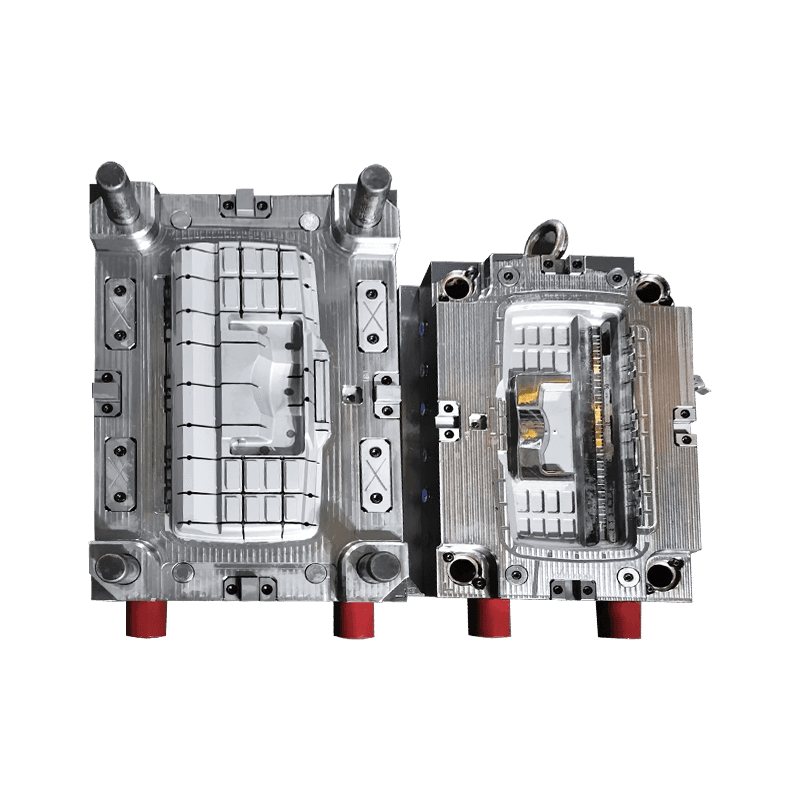
Toolbox molds encompass a variety of types designed to produce different styles and sizes of toolbox...
See Details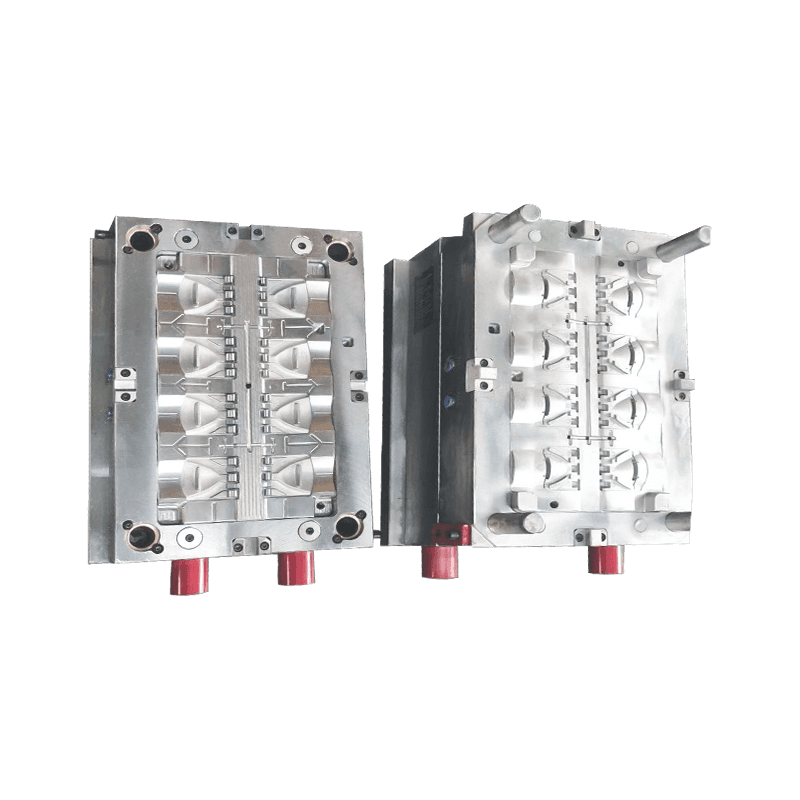
Toolbox latch molds are crucial components in the manufacturing process of toolboxes, providing secu...
See Details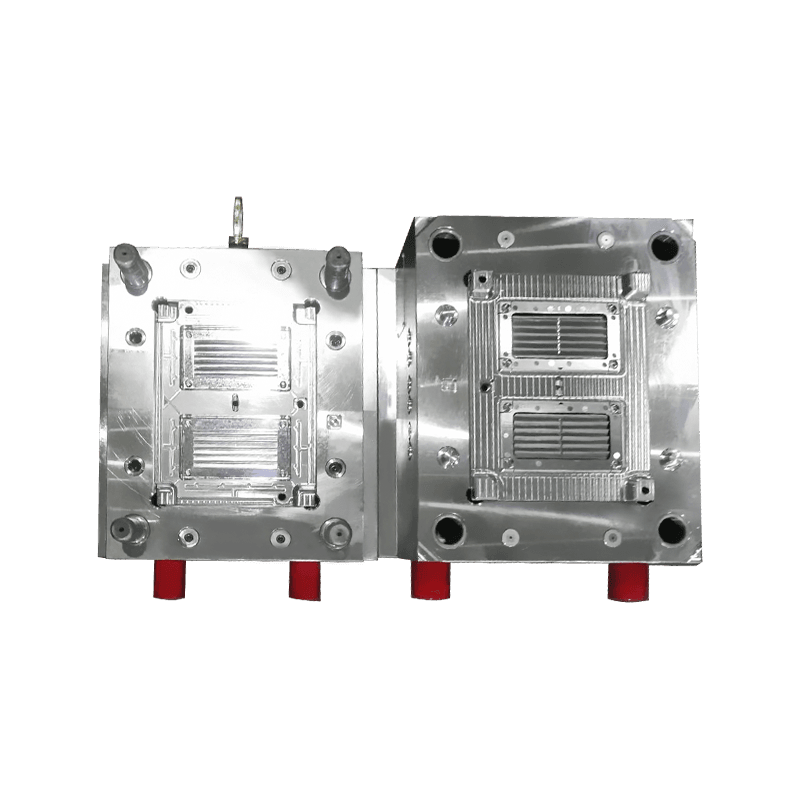
Ventilation grille molds are specialized molds used for manufacturing ventilation grilles. These mol...
See Details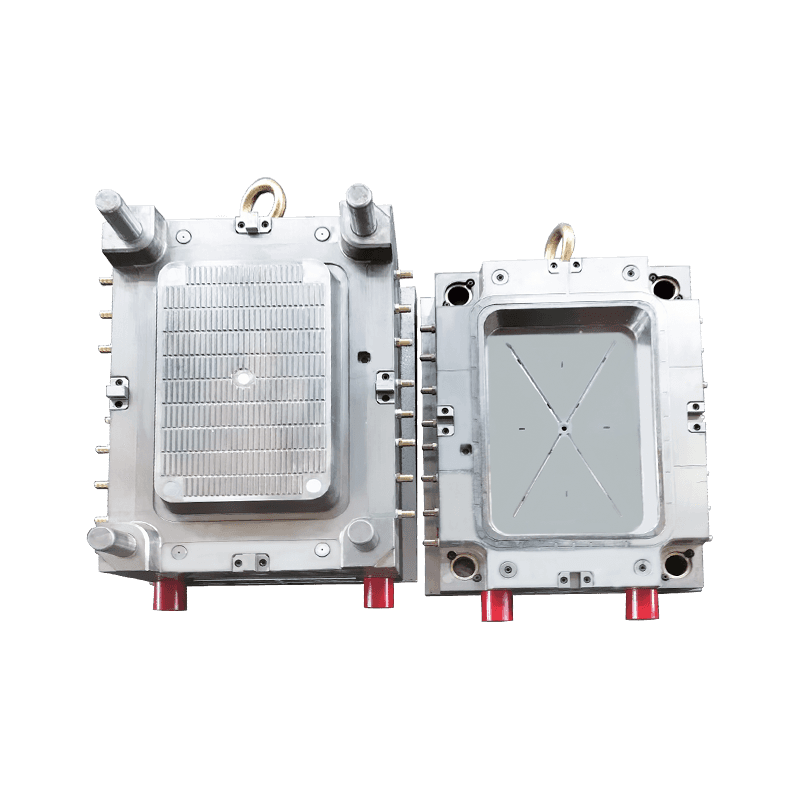
The design of the fruit and vegetable washing basket mold is crucial in balancing practicality and a...
See Details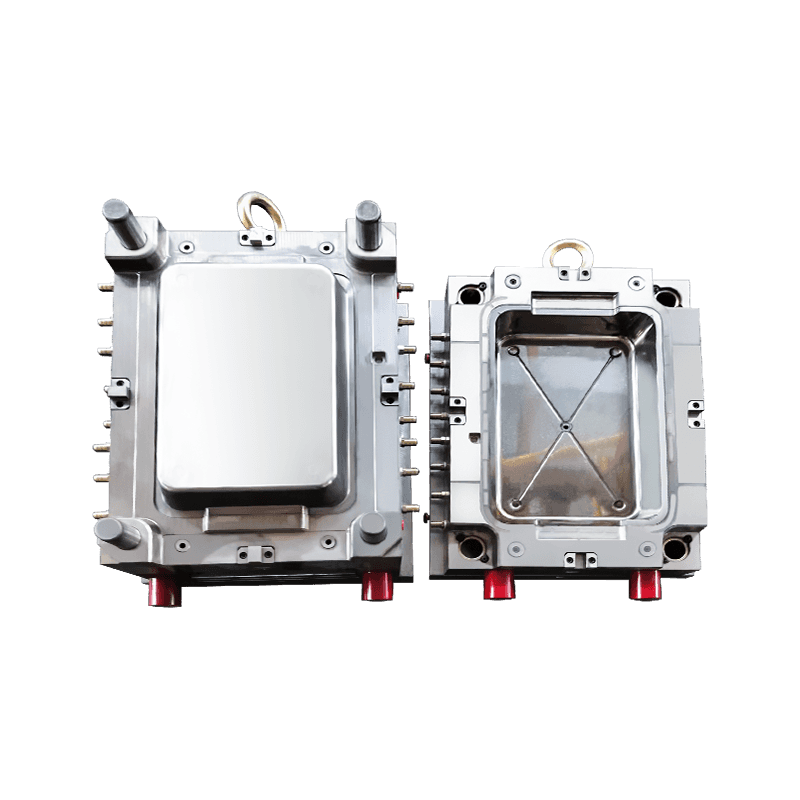
The production of fruit basket molds and the resulting fruit basket products can indeed be designed ...
See Details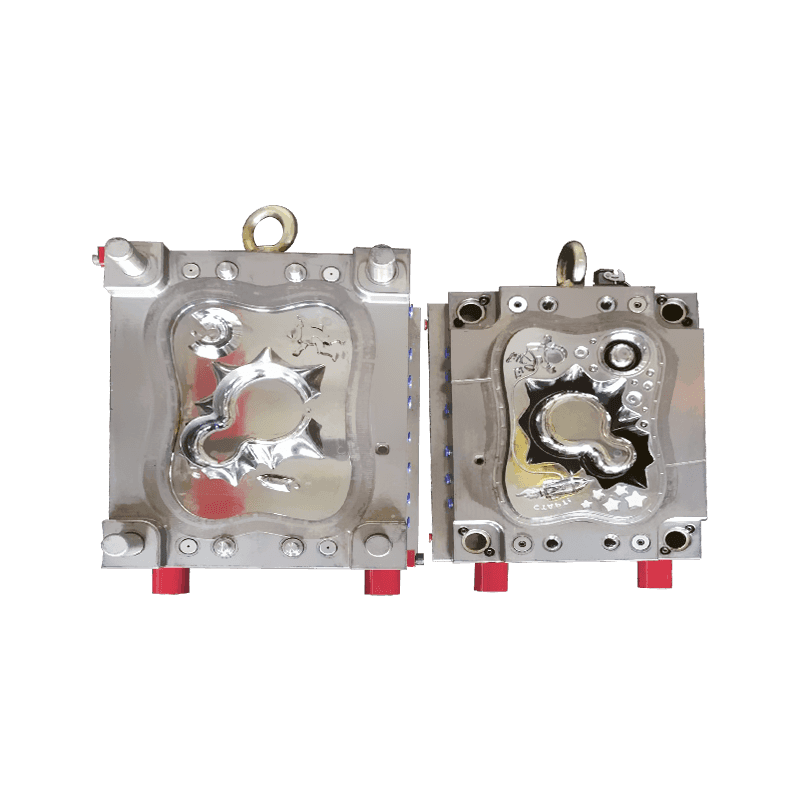
Customizing dinner plate molds to meet individual needs involves several key steps aimed at tailorin...
See Details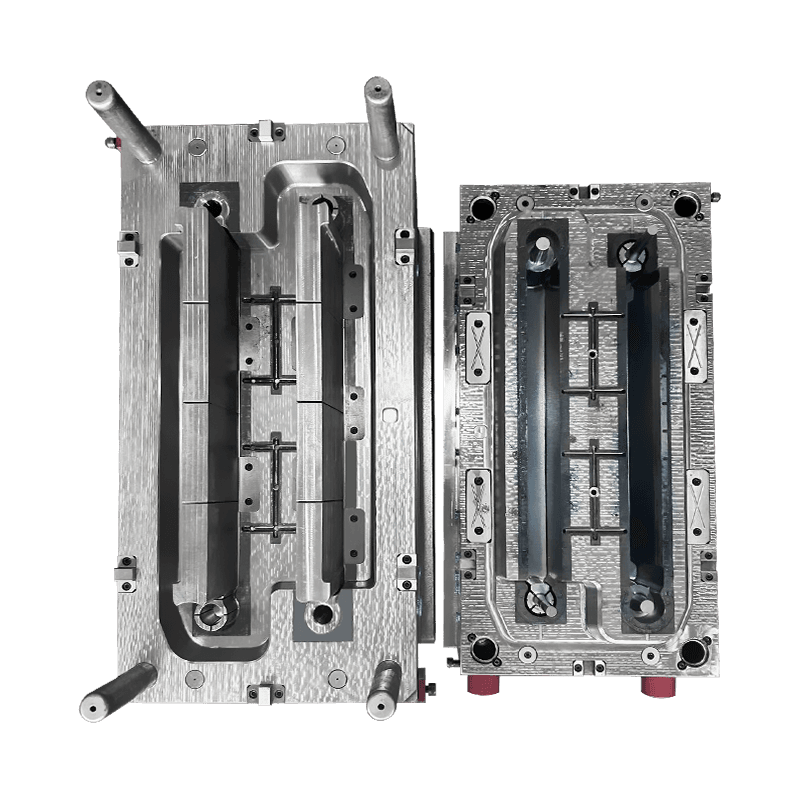
Garden fence mold products are special molds used to manufacture garden fences of various shapes and...
See Details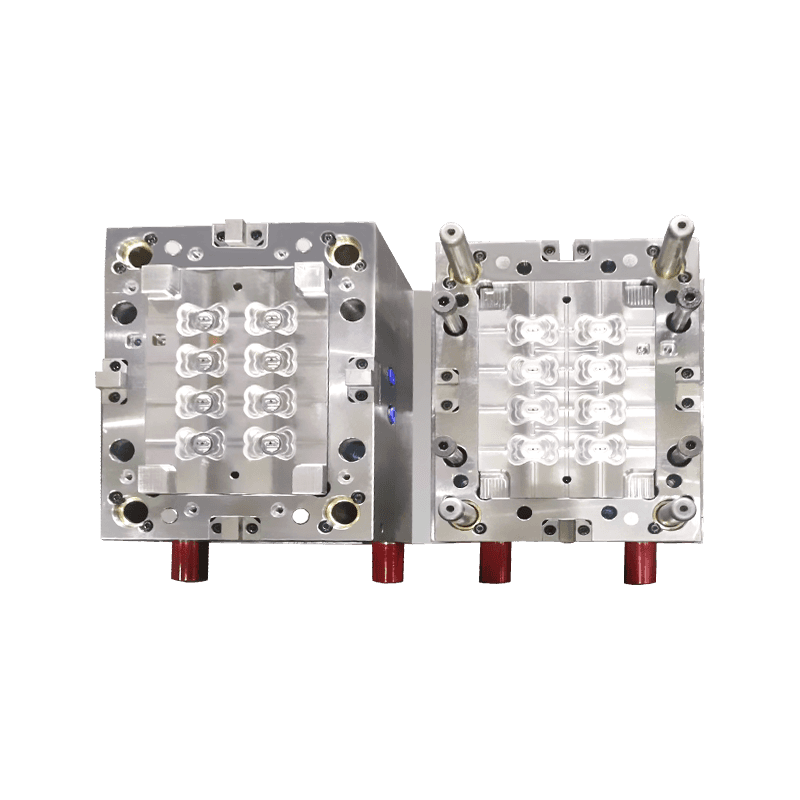
Pacifier molds are essential tools used in the manufacturing of pacifiers, also known as soothers or...
See Details+86-13616882963

We are committed to providing customers with high-quality, precision mold solutions.
Copyright © Taizhou Yiwei Mold Co., Ltd. All Rights Reserved.

Contact Us