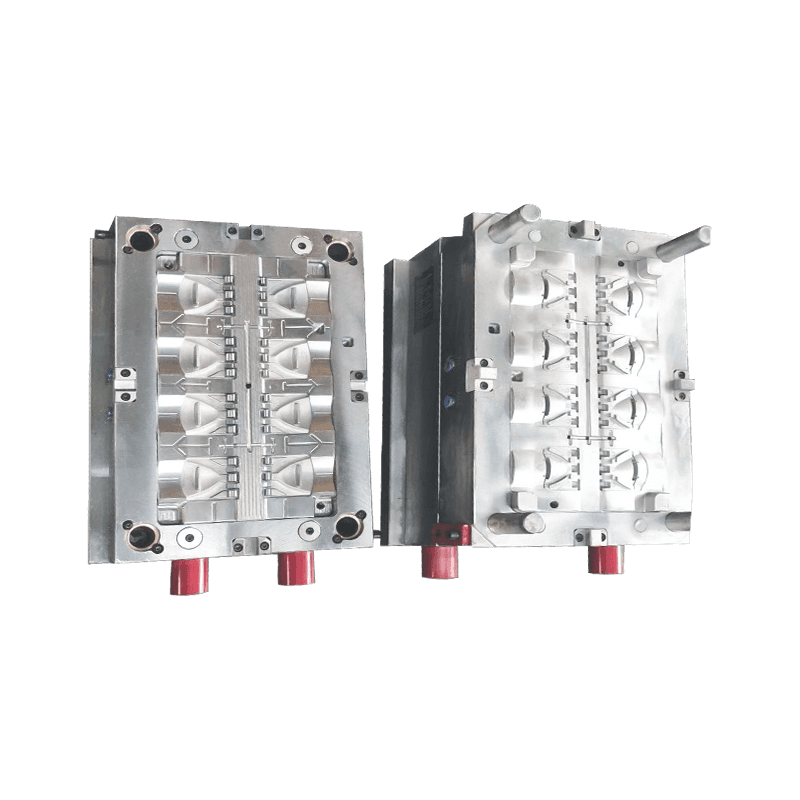
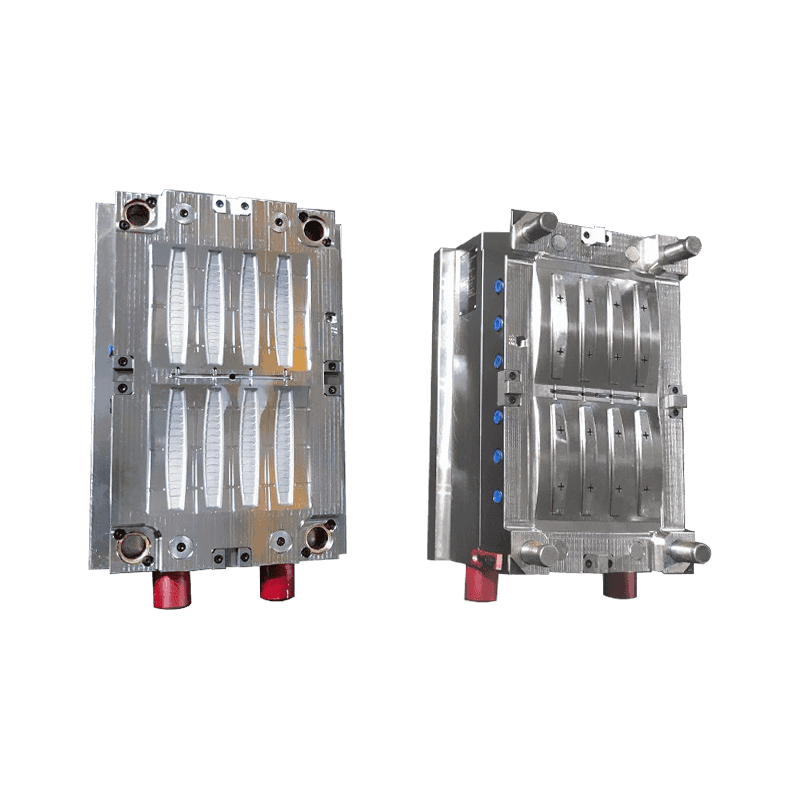
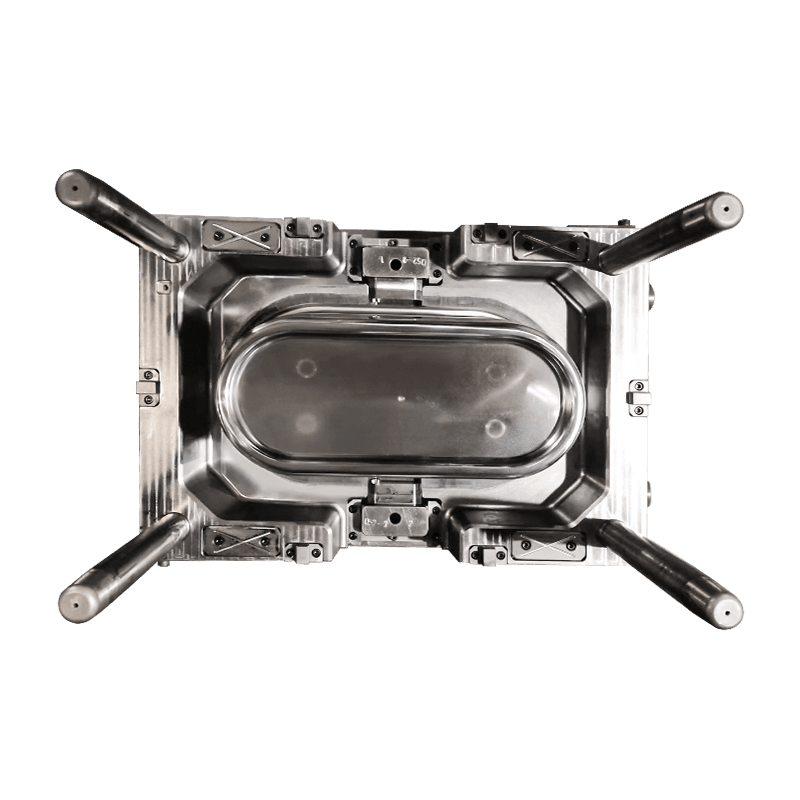
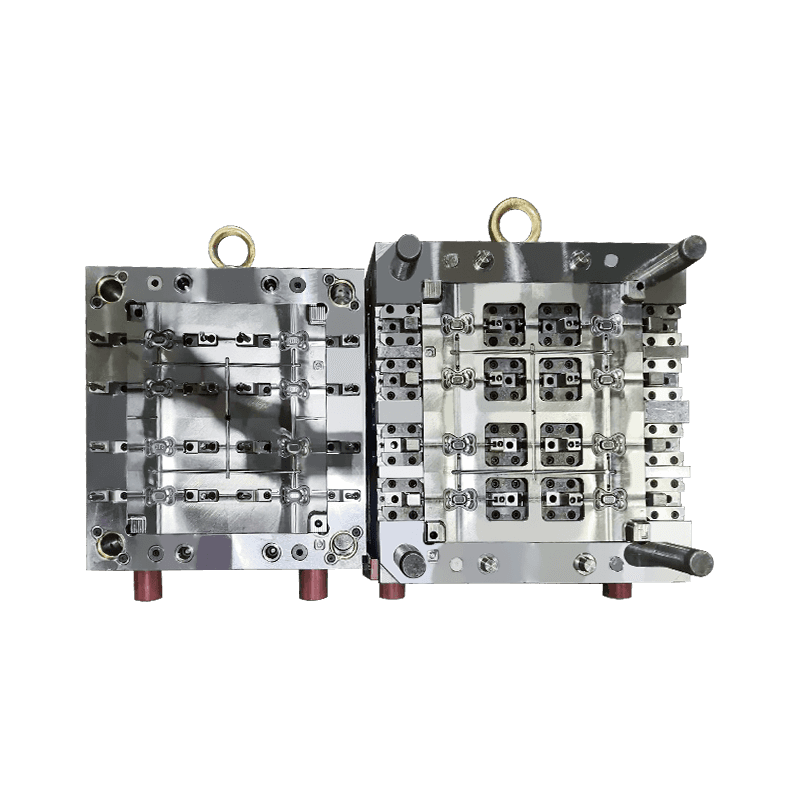
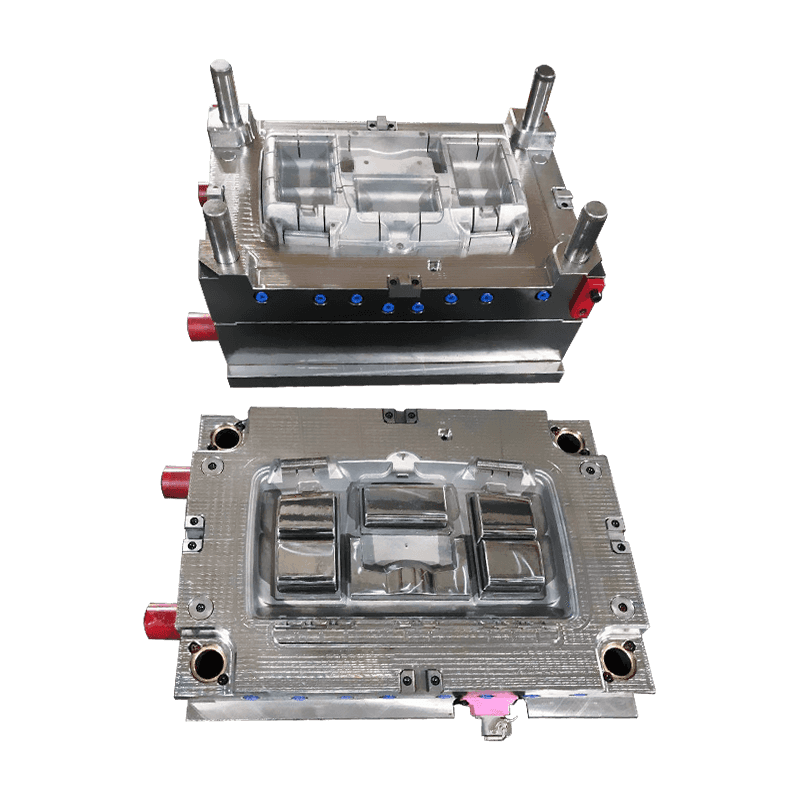
Plastic injection molds are essential tools in modern manufacturing, used to produce consistent and precise plastic parts. These molds allow molten plastic to be injected into a pre-designed cavity, where it cools and solidifies into the desired shape.

Types of Plastic Injection Molds
Plastic injection molds can be classified based on their structure, production volume, and specific manufacturing needs. Common types include:
Two-Plate Molds
Consists of a fixed plate and a moving plate. Simple design suitable for basic parts.
Three-Plate Molds
Include a runner plate between the fixed and moving plates. Allow for more complex gating and multiple cavities.
Hot Runner Molds
Maintain molten plastic in heated channels. Reduce material waste and improve cycle times.
Cold Runner Molds
Use unheated channels. Simpler design, lower cost, but produces more scrap material.
Insert Molds
Allow metal or pre-formed parts to be inserted into the mold cavity before injection. Useful for multi-material components.
Stack Molds
Feature multiple layers of cavities to increase production output without increasing mold size.
Overmolding Molds
Enable molding of one material over another to create composite parts or layered effects.
Each type serves specific production needs and part designs, allowing flexibility in manufacturing processes.
Applications of Plastic Injection Molds
Plastic injection molds are used in many industries to produce a wide range of parts. Common applications include:
1₁. Automotive Industry
Produces dashboards, bumpers, clips, and interior components. Allows mass production with consistent dimensions.
2₂. Electronics Industry
Manufactures casings, connectors, and components for devices. Supports precise and detailed part designs.
3₃. Medical Devices
Produces syringes, vials, and diagnostic components. Requires high precision and material safety.
4₄. Consumer Goods
Used for household items, toys, and kitchenware. Provides a variety of shapes and colors.
5₅. Packaging Industry
Manufactures caps, bottles, and containers. Allows high-volume production at low cost.
6₆. Industrial Equipment
Creates machine components, fasteners, and protective covers. Supports durability and functional design.
These applications demonstrate the versatility and widespread use of plastic injection molds in modern manufacturing.
Components of Plastic Injection Molds
A plastic injection mold consists of several key components that ensure proper function.
Mold Base
Supports the entire mold structure and provides alignment for moving parts.
Cavity Plate
Forms the external shape of the plastic part.
Core Plate
Shapes the internal features or hollow areas of the part.
Sprue and Runner System
Channels that guide molten plastic from the injection unit to the mold cavities.
Ejector Pins
Push the solidified part out of the mold after cooling.
Guide Pins and Bushings
Ensure proper alignment between the cavity and core plates.
Cooling Channels
Circulate water or coolant to regulate mold temperature.
Clamping System
Holds the mold closed during injection.
Vents
Allow trapped air to escape during filling.
Each component plays a critical role in producing accurate, consistent, and defect-free parts. Regular inspection and maintenance ensure long mold life and reliable operation.
Plastic injection molds are central to modern manufacturing, providing consistent and precise production for a wide variety of industries. Understanding the types, applications, and components helps optimize performance, reduce waste, and ensure the quality of produced parts.



 English
 中文简体
中文简体 русский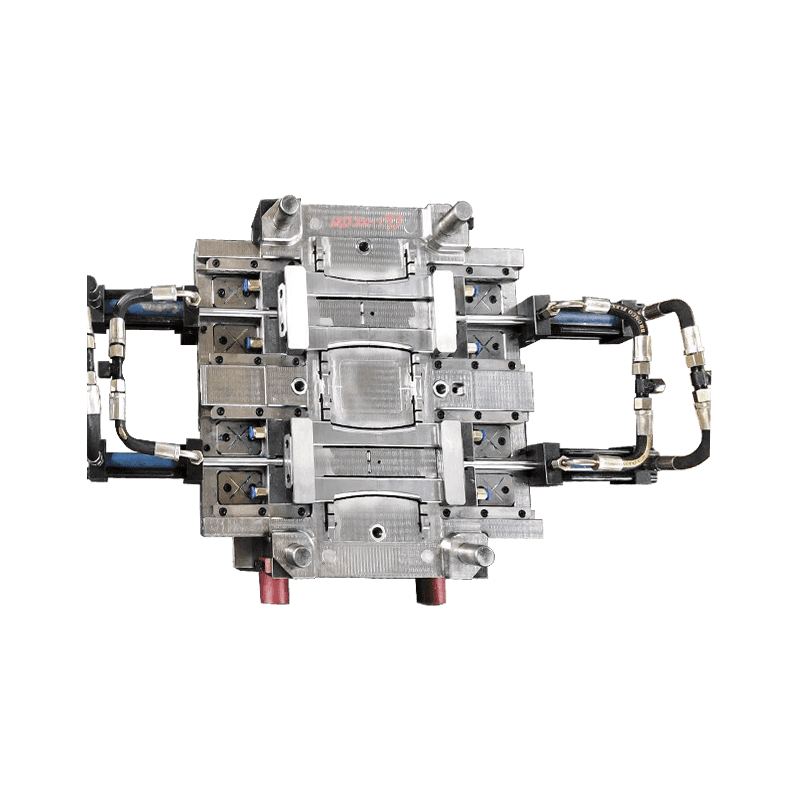


Contact Us